
Even though the capital of Belgium is also that of Flanders, many Flemish people can frequently be heard exclaiming that "Brussels is another country".
And while there are many layers to that statement, the fact that Dutch speakers generally have a hard time using their native language in the city plays a big role. To find out how they felt about Brussels' complicated language situation, The Brussels Times took to the streets of the capital.
"When I came to Brussels 50 to 60 years ago, I would mainly hear French. And with my poor French at the time, I felt like an outsider," said Hélène Verelst, 73, a former secretary from Zemst in Flemish Brabant.
"But when I come to Brussels now, I hear lots of different languages. People are coming here from all over the world, and they usually speak poor French too," she said. "So weirdly, I actually feel more at ease now."
Like many Flemish people of her generation, Hélène rented a kot in Brussels when she was studying, and even though she later found work in the city, she opted to commute from her hometown every day rather than become a 'real' Brusseler.
Her sister, however, met her husband in Brussels and moved to the city permanently. "I like visiting her, like I am doing today. But I prefer Zemst, where I can know for sure what language to say 'hello' in," she said.
'A lot has changed'
Still, Brussels is popular among Flemish people: every year, some 13,000 to 14,000 people move from Flanders to Brussels – for work, studies, love or another reason entirely.
The latest official figures by the Brio language barometer (2024) show that just 7.5% of the capital's residents exclusively speak Dutch at home, while 4.3% live in a Dutch/French mixed-language household – bringing the total ratio of native Dutch-speakers in the capital to just over one in 10 (11.8%). Meanwhile, over 60% of residents speak French at home.
According to Michiel*, a 58-year-old Dutchman who spent his teenage years in the French-speaking part of Belgium and now lives in Woluwe-Saint-Pierre, a lot has changed over the years.
"When I came to Brussels as a young man, it was of course very francophone, but as soon as you went to the east, north or northwest of the city, you would hear Flemish people around you," he said.
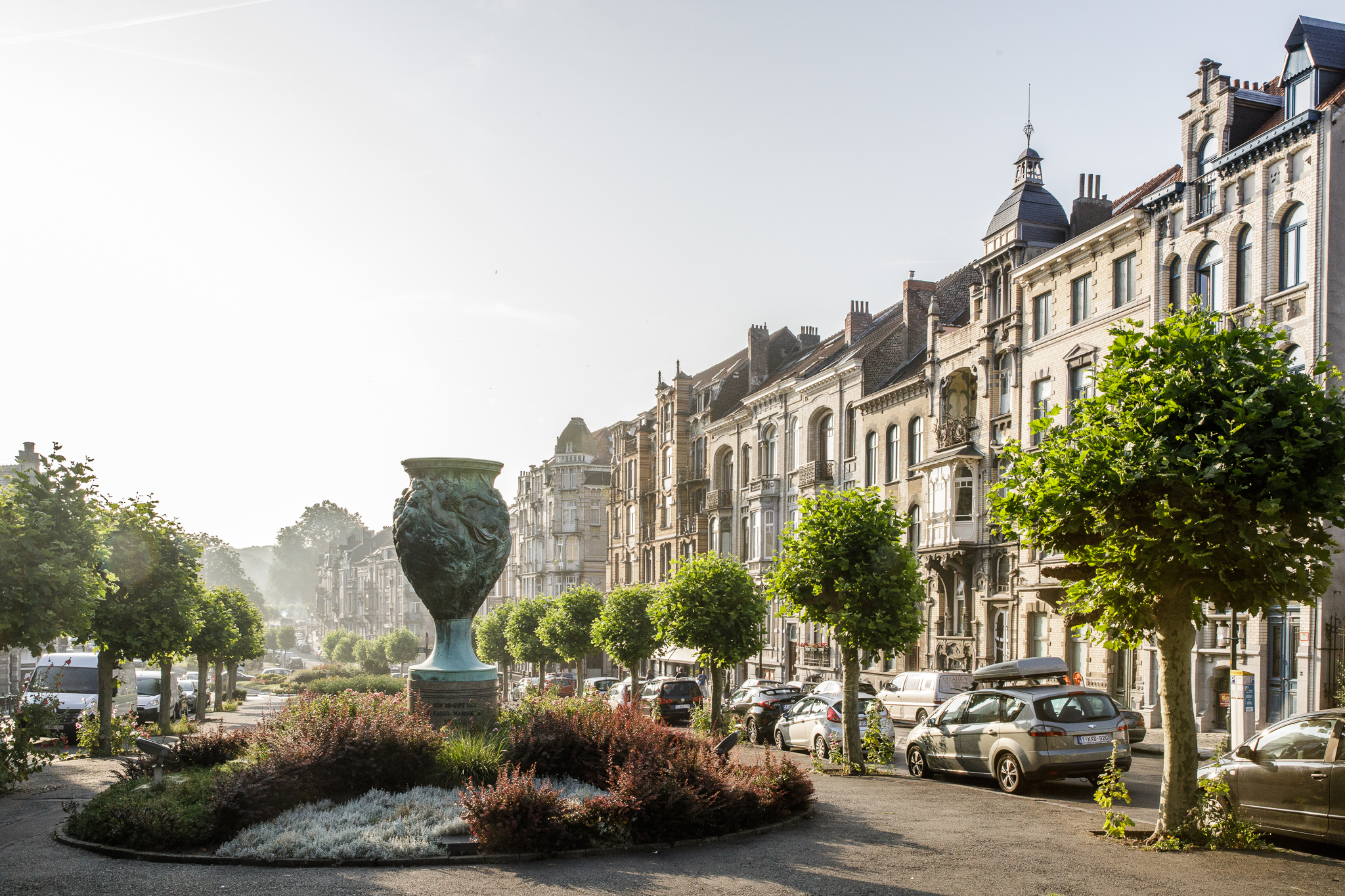
Some areas in the northeast or Brussels, like Schaerbeek, traditionally have many Dutch speakers. Credit: Visit Brussels
Michiel used to regard Brussels as a bilingual city – with a lot of English thrown in because of the international organisations located there. Now, however, he feels that the international organisations speak English, and everybody else speaks French.
"If I go to places that traditionally were strongholds of the Dutch language in Brussels, I might as well speak French immediately," he said. "I still try in Dutch, but it usually does not get me very far. It does not bother me, but it is an interesting change that I have had to get used to."
For many other Dutch speakers in the capital, however, not being able to speak their own language is a common frustration – whether it is in the hospital, while grocery shopping or when arranging official matters with the municipality.
'Smoother in French'
"Sometimes the lack of Dutch bothers me when I need to deal with official bodies, such as the police or a government department," said Freija Poot, 29.
Her parents are Flemish but moved to Jodoigne in Wallonia, right on the linguistic border. Freija first went to a French-speaking school, then later to a Dutch-speaking one. She went to university in Brussels and permanently moved to the city after finishing her studies.
"I was brought up bilingually, but in those official situations, it is still easier for me to speak Dutch," she said. "However, I noticed that the process goes a lot smoother when I do it in French."
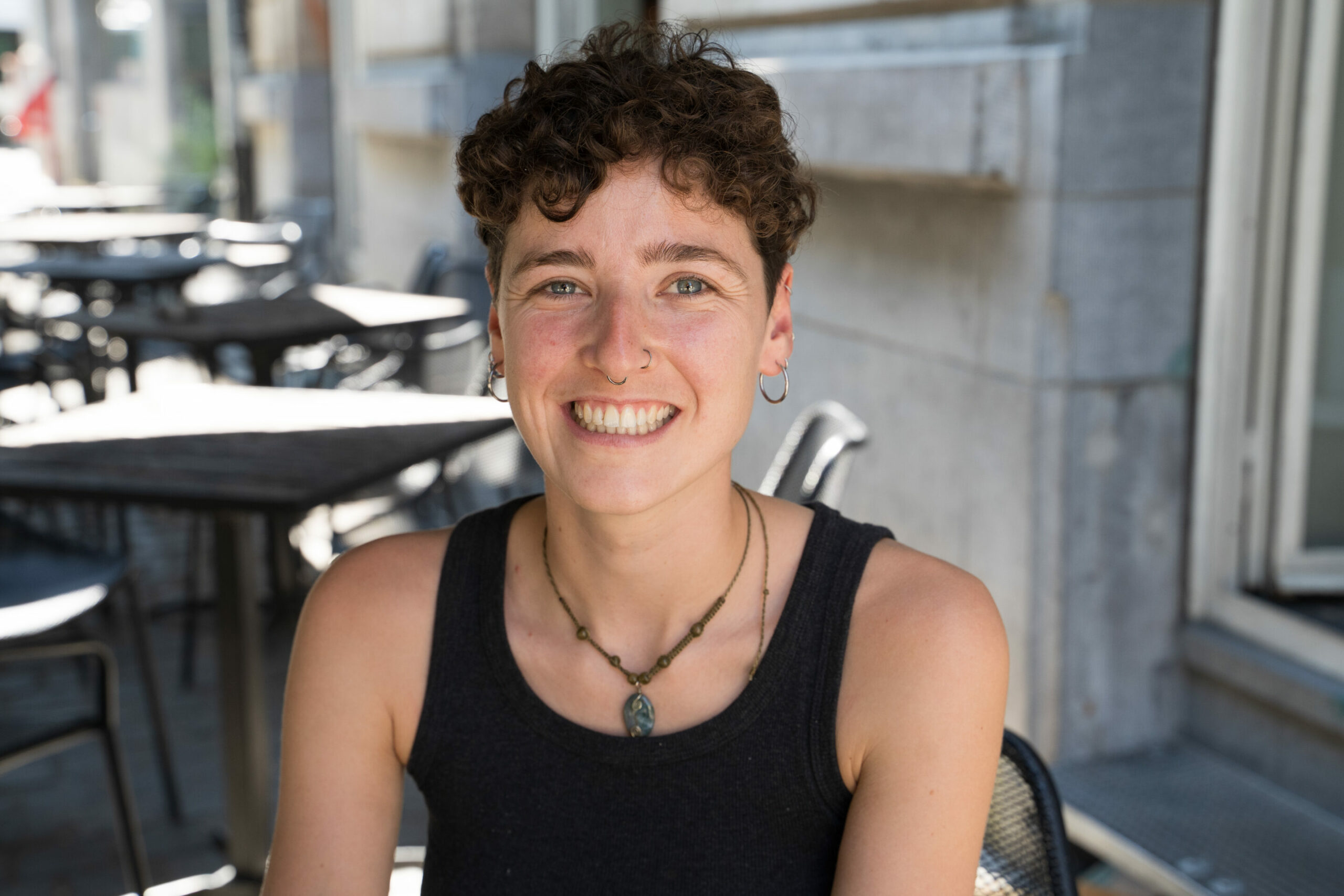
Freija Poot. Credit: Vicente Torre Hovelson/ The Brussels Times
Officially, the Brussels-Capital Region is a bilingual territory. According to Belgium's language laws, which date back to 1966, public authorities and administrations in Brussels are obliged to communicate in Dutch and French – with citizens, internally and with other administrations.
Importantly, at the local level, this means that every public-facing person working for one of the municipalities, the police, Public Welfare Centres (CPAS/OCMW), hospitals, or other official institutions in Brussels must speak both Dutch and French.
In practice, however, most official bodies are content with being able to provide their services in both languages: a dedicated number of staff members must be able to master the minority language (in Brussels' case, Dutch) to help citizens who only speak that language.
'A lottery'
While the system sounds fine on paper, in practice the policy often leaves much to be desired – to the frustration of many Dutch speakers. Eddy Vanderschueren, who moved from Flanders to Brussels in 1988, agrees that it can be difficult at times.
"I am currently receiving treatment for a condition, and I went specifically to the UZ Jette because I am sure everyone there speaks Dutch," he said. "At other hospitals, whether someone will be able to help me in Dutch is often a bit of a lottery."
When Vanderschueren brings up issues he has experienced in Brussels in conversation with French speakers, he says he is often dismissed as an extremist or Flemish nationalist. But he insists it has nothing to do with that.
"If people cannot or do not want to speak Dutch to me in a shop, that is fine. It is not ideal, but it's a private matter, they can do as they please and I will never say a word about it," he said. "But when it comes to official bodies, they should respect the law."
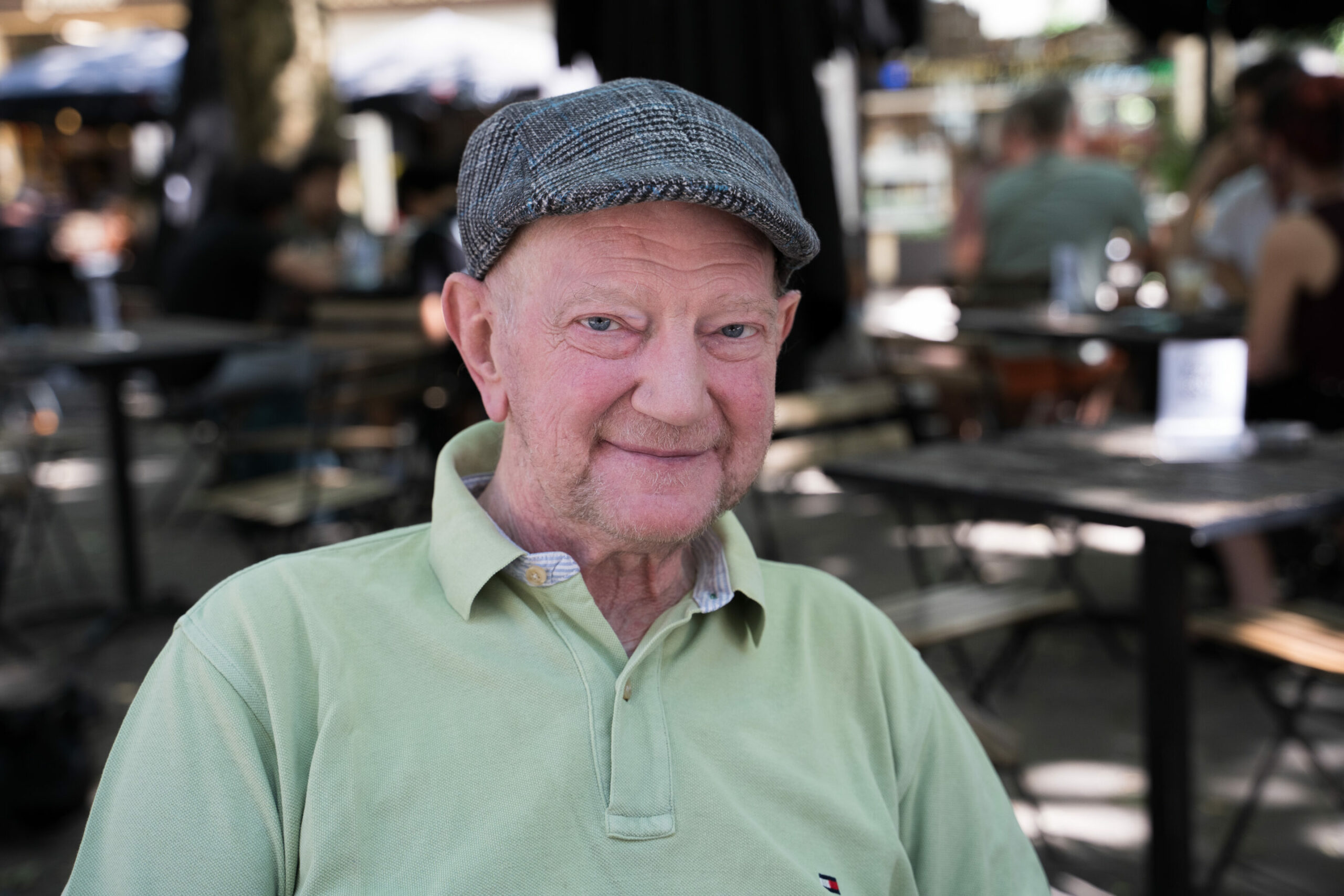
Eddy Vanderschueren. Credit: Vicente Torre Hovelson/ The Brussels Times
The language parity in Brussels – which guarantees representation for the Dutch-speaking minority – is directly linked to parity at the federal level, where French speakers are in the minority.
"If they do not want to follow the law, they will have to secure a two-thirds majority to abolish it. And then we will abolish it at the Belgian level too. But of course, they do not want that either," he said. "I absolutely get that Dutch is not always easy, but neither is French."
The fact that Brussels' new Minister-President Boris Dilliès (MR) does not speak Dutch – something that became clear during an embarrassing television interview on his first day – exemplifies the issue, according to Vanderschueren.
"It is a real disgrace for a bilingual region. [The previous Minister-President Rudi] Vervoort did not speak Dutch very well either, but he at least spoke it a little," he said. "Dilliès was a mayor, and is now Minister-President. He says he’s going to learn Dutch. On verra."
Correcting the imbalance
Difficult to learn or not, Belgian-American writer and consultant, Patricia Finn, 61, quickly mastered Dutch after moving to Belgium, speaks it fluently, and now always uses it when she is in Brussels.
"Many of my Flemish friends in Brussels – and Flemish people in general – seem to have the idea that there’s a sort of language hierarchy where one language is more important than another," she said. "But this is not true."
As many Flemish people are able to get by in French, however, she noticed that they are quick to switch. "I think this is partly to do with the Flemish mentality: they want to make others feel at ease. They tend to speak so many languages that they will just switch to ensure that their conversation partner does not have to make an effort," Finn said.
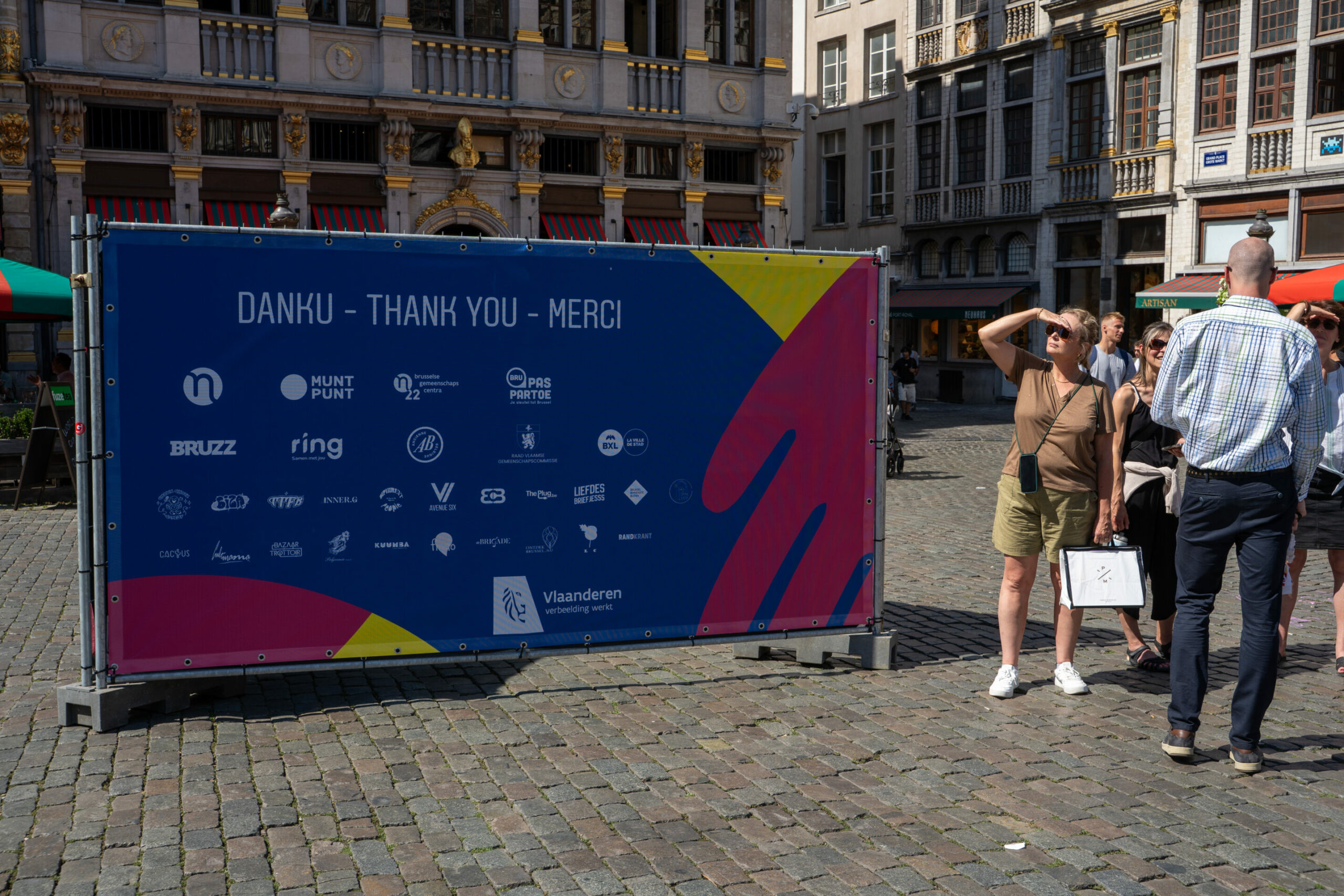
A banner for the Flemish community day, saying "thank you" in three languages. Credit: Vicente Torre Hovelson/ The Brussels Times
But as a result, they speak their own language less and less often in the capital. "And so, they are not helping their own case."
Finn believes that Flemish people should be proud of their culture, their identity and their language. "This quickly gets mixed up with what the Flemish nationalists are saying, but that is not what I am talking about. I mean, there is no need for Flemish people to put themselves second to make others more comfortable."
She therefore speaks Dutch as often as she can, and urges her Flemish friends to do the same when they are in Brussels. "I am not a Flemish nationalist," she said. "I am just trying to correct the imbalance between the languages a little, especially in Brussels."
*Name has been changed to protect the speaker's privacy.
