
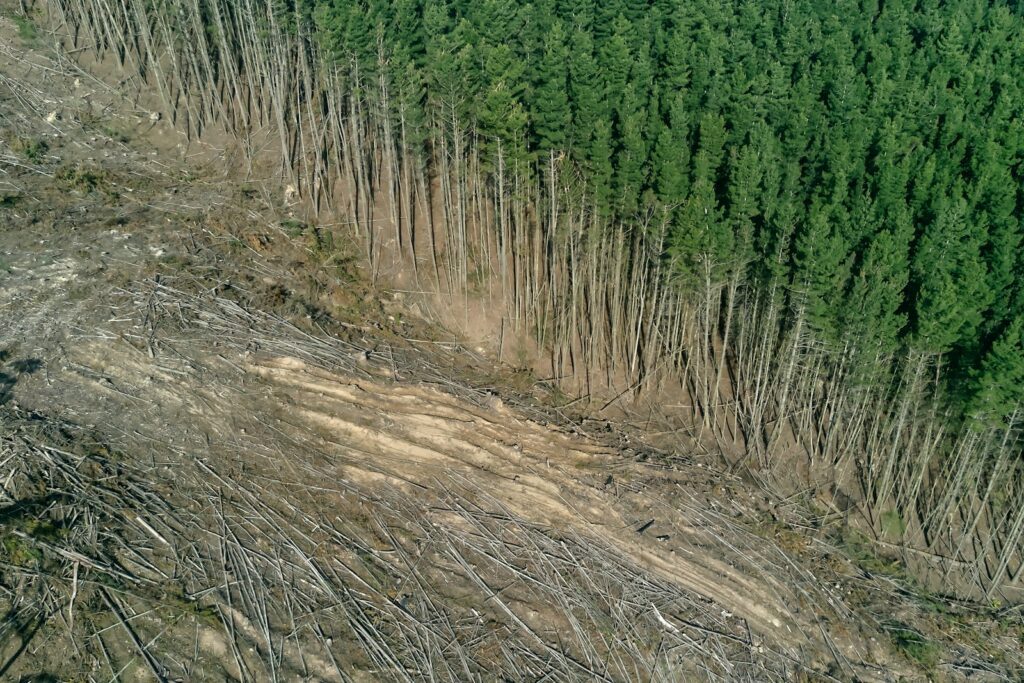
The European Commission has adopted new measures on which products are covered by the EU Deforestation Regulation and how its supporting IT system will operate, as businesses and EU countries prepare for the rules to apply from December 2026.
The measures include a delegated act that changes the list of goods subject to the regulation, which is designed to restrict products linked to deforestation from being placed on the EU market, the Commission announced on Monday.
Cattle hides, skins and leather, re-treaded tyres, soybeans for sowing, articles of vulcanised rubber, conveyor and transmission belts, and aircraft and motor vehicle seats have been removed from the scope following stakeholder consultation and public feedback.
Soluble coffee, certain palm oil derivatives and frozen cattle tongues have been added to the product list.
The newly added products will only become subject to the regulation from 30 December 2027, to give businesses time to prepare.
The delegated act will be sent to the European Parliament and the Council for scrutiny before it enters into force.
Changes to the Information System
The Commission also adopted an implementing act setting out how the regulation’s Information System will function, including updates intended to make it more user-friendly and reflect changes to the revised regulation.
Operational changes include simplified declarations for micro and small primary operators, and updated technical specifications for automated application programming interfaces, known as APIs.
The IT system has been accessible again since June 2026, and companies can begin entering data and testing new functions ahead of the rules coming into effect.
More system functions are due to be introduced later this summer, and the Commission said it will continue improving the platform and stay in close contact with companies.
The package provides “clarity and predictability” for businesses, EU member states and international partners preparing for the regulation’s application at the end of 2026, Environment Commissioner Jessika Roswall said.
