
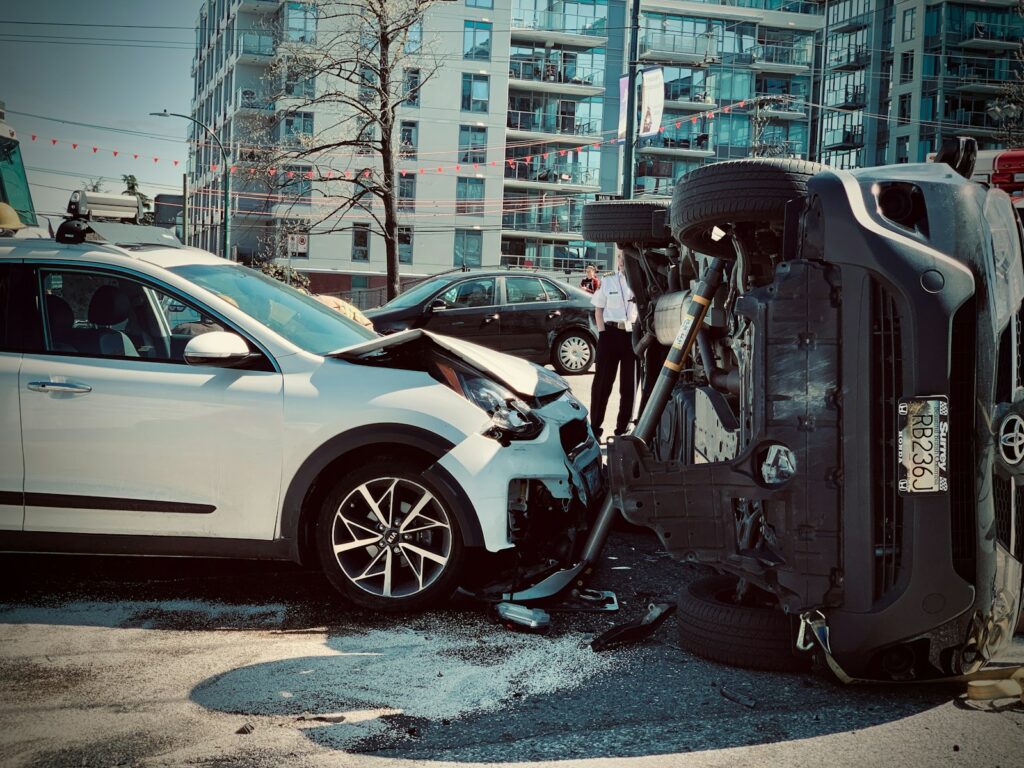
More than 3,500 people are killed on roads worldwide each day, the European Union noted at a UN high-level meeting in New York on Monday.
The EU and its member states said they supported the adoption of a “Progress Declaration” at the UN meeting on improving global road safety, and reiterated a global target to halve road traffic deaths and serious injuries by 2030, the European External Action Service (EEAS) informed on Monday.
Road traffic crashes remain among the leading causes of death for children and young adults globally, while “tens of millions” more people are injured with consequences that can last a lifetime, according to the EU’s statement.
The EU said road deaths and serious injuries are preventable and called for sustained political commitment and effective policies, adding that transport systems should be designed to anticipate human mistakes so they do not lead to fatal or life-changing outcomes.
It listed areas it said needed to work together to reduce harm — including safer infrastructure, vehicle safety standards, speed management, enforcement of traffic rules, post-crash care and evidence-based policymaking.
Cooperation, funding and technology
Road safety was described as a shared responsibility involving governments, local authorities, civil society, the private sector, academia and international organisations.
The EU said it would strengthen cooperation with the UN, the World Health Organization and UN regional commissions to promote global road safety standards and support capacity-building.
It also said it supports sustainable transport infrastructure through its Global Gateway strategy — an EU programme for investment and partnerships — including integrating road safety from early planning and design stages.
The statement pointed to “connected mobility”, intelligent transport systems, artificial intelligence and improved use of data as tools that can support safer roads, traffic management and emergency response, while saying technology should not replace institutions, legislation and responsible behaviour.
Particular attention should be given to vulnerable road users — including pedestrians, cyclists, motorcyclists, children, older people and people with disabilities — and transport should be designed with all users in mind.
