
Representatives of the 27 EU Member States agreed on Thursday on a 21st round of sanctions against Russia over its invasion of Ukraine, according to diplomatic sources.
"At a time when Ukraine is building up its military momentum, our sanctions continue to undermine the economic foundations of Russia’s war effort," said European Commission President Ursula von der Leyen.
This package of measures contains the highest number of individual listings of any sanctions package adopted over the past four years, a diplomatic source confirmed.
It includes restrictions and transaction bans targeting 32 Russian banks, as well as new measures against cryptocurrencies and oil trading platforms.
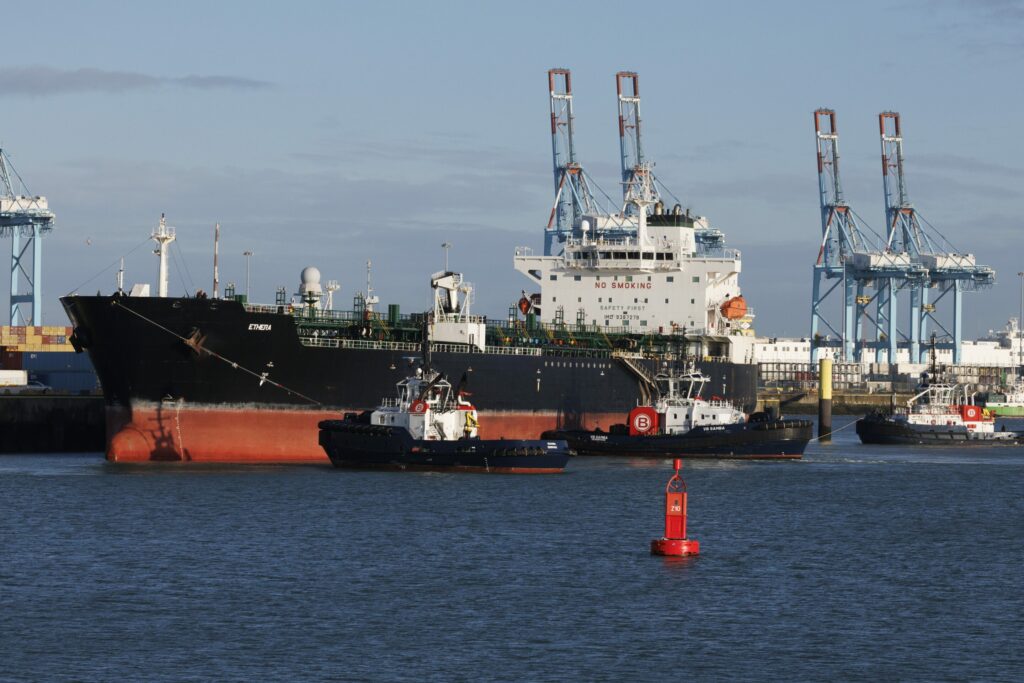
New designations of vessels from the "ghost fleet" have also been agreed.
The EU-27 have also committed to implementing measures to restrict the granting of visas to Russian veterans.
The package includes new trade restrictions aimed at further curbing the Russian military industry.
The agreement also allows the current cap on the price of Russian oil at $44.10 to be frozen for one year, whilst a technical deadline threatened to relax it, given the current volatility of the energy markets.
Negotiations had stalled in recent days due to Greece’s reluctance regarding the transfer of Russian liquefied natural gas to third countries (outside the EU).
Ultimately, an exemption has been granted for contracts concluded before 24 February 2022, the date of Russia’s large-scale invasion of Ukraine. Any extension of these transfers by EU operators is subject to restrictions. The Council will review this exemption annually.
