
Belgium’s natural gas storage is just under 31% full, well below the European Union average, as higher prices linked to the war in the Middle East have slowed refilling ahead of winter.
Fluxys, the operator of Belgium’s gas transmission network, said on Friday that injections into the country’s gas reserve are continuing on a regular basis. A spokesperson said the filling level reached nearly 31% on Thursday.
Refilling has been much slower than usual this year. Gas suppliers have become more cautious because prices have risen following the conflict in the Middle East.
Fluxys had previously said that one supplier began filling storage on 1 July, after signs of a possible agreement between the United States and Iran appeared to ease tensions and push natural gas prices down somewhat.
However, hostilities resumed two weeks ago, with little hope of a diplomatic breakthrough, adding fresh pressure to the market.
Belgium is trailing the rest of the EU, where gas storage sites are on average 54% full. Even that figure is well below the usual level for this time of year.
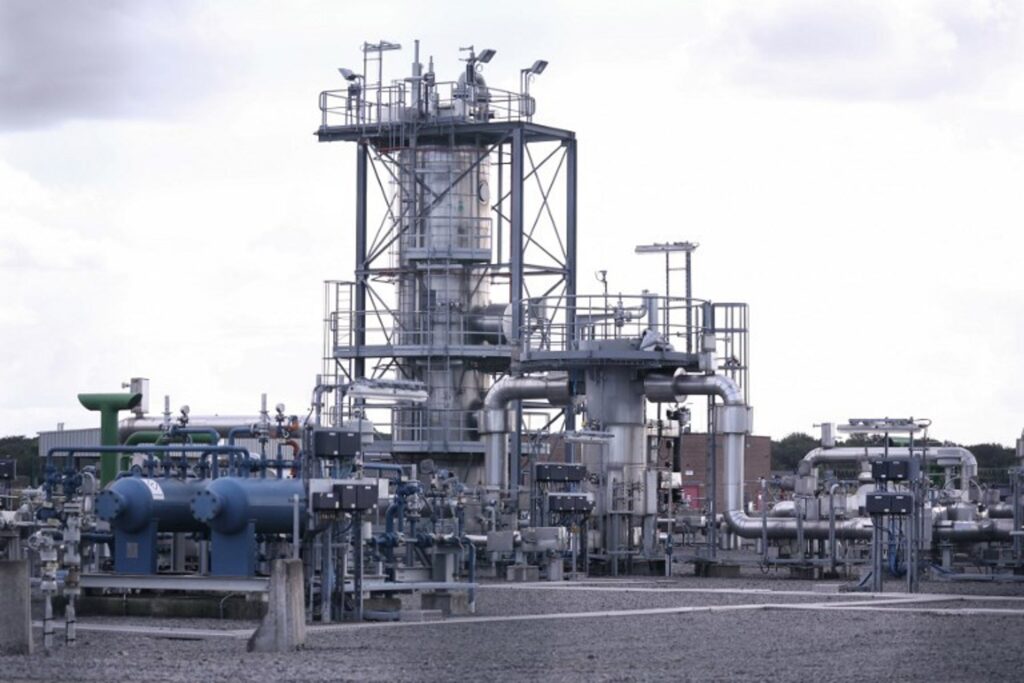
Belgium’s gas storage capacity is limited. The country has just one storage site, at Loenhout, with an underground capacity of 7.6 terawatt hours.
According to Fluxys, that is equivalent to the annual consumption of about 450,000 households. By comparison, storage capacity in the Netherlands stands at 145 terawatt hours, while France and Germany have even larger reserves.
Belgium also has direct gas connections with the UK and Norway, as well as a liquefied natural gas terminal in Zeebrugge, which reduces its reliance on storage during winter.
EU Member States have until 1 December to fill their gas reserves. The usual target is 90%, but the European Commission has lowered it to 80% this year because of the war in Iran.
