
Longer, warmer summers across Europe are increasing the risk of catching some infectious diseases, and closer cooperation across borders and sectors is needed to predict, prevent and respond, the European Centre for Disease Prevention and Control (ECDC) warned on Wednesday.
The agency said it regularly assesses how prepared countries are for public health threats, with recent findings showing that more than half of EU member states have a national climate change adaptation plan.
ECDC pointed to several types of infection that can become more common during prolonged periods of higher temperatures, including foodborne illnesses, which it described as among the most frequent summer illnesses because warmth can speed up bacterial growth in food.
It also highlighted vibriosis, an infection caused by Vibrio bacteria that can be found in warm, low-salinity coastal waters such as the Baltic Sea and river estuaries.
The organisation said it has updated an interactive data visualisation tool that predicts where the risk of infection may be higher.
Mosquito-borne diseases were flagged as a growing concern, with ECDC saying longer warm and humid seasons are allowing invasive mosquitoes to thrive in areas where they were previously rare or not present.
It listed dengue, chikungunya and West Nile virus among the diseases involved.
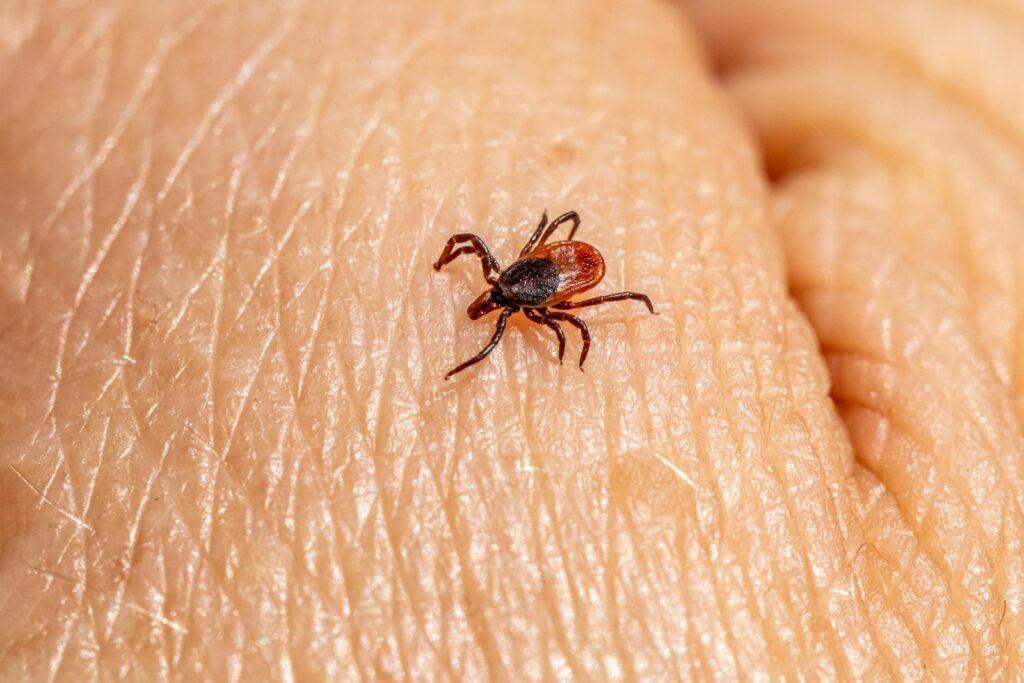
Tick-borne diseases were also cited, with the agency noting that ticks are found across Europe and that milder spring and autumn conditions are extending the season when they are active. Infected ticks can spread Lyme disease and tick-borne encephalitis, which can lead to serious long-term complications.
Cooperation across sectors
ECDC said there is a growing need for longer-term collaboration across human, environmental and animal sectors as the range of public health threats expands.
This cooperation is brought together under the EU’s “One Health” approach — a framework linking the health of people, animals, plants and the environment — which ECDC said supports work across disciplines.
The agency said its latest preparedness assessments found more than half of EU member states have a national climate change adaptation plan, while adding that further work is needed to ensure measures are in place to address health impacts from extreme weather events across sectors.
