
The UN food price index rose to its highest level in three years in July, driven by higher prices for sugar, grains and vegetable oils amid drought concerns and geopolitical tensions.
The Food and Agriculture Organization (FAO) said on Friday that its food price index rose by 0.6% from June to July, reaching its highest point since January 2023. It was also 1% higher than a year earlier.
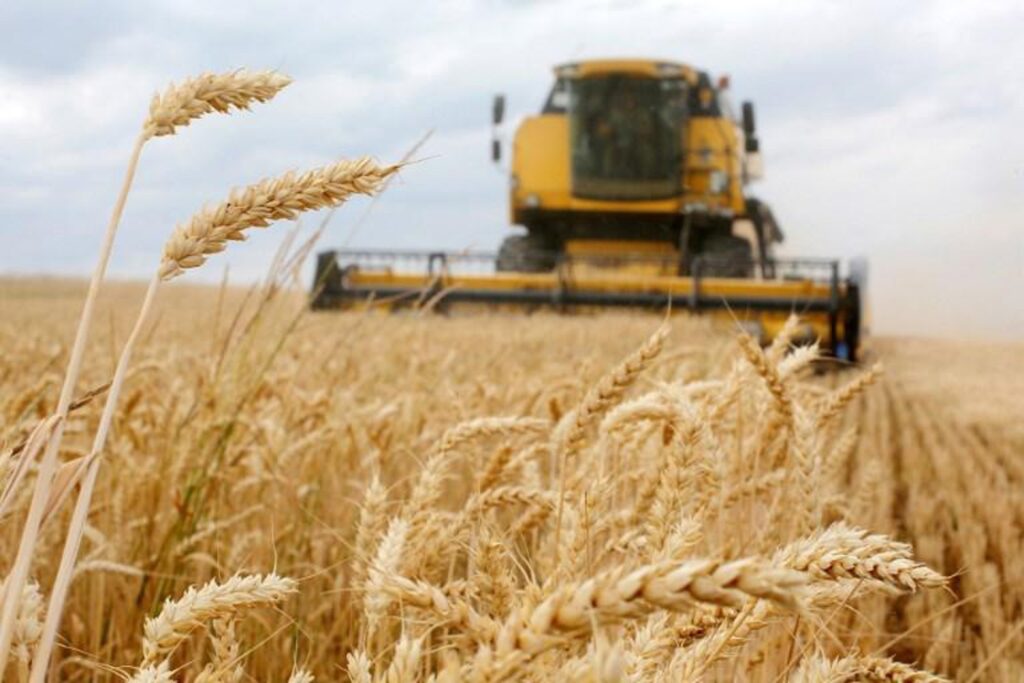
Climate disruption weighed heavily on grains, especially wheat. Wheat prices jumped by 5.8% in July and were up by 9.9% from a year ago.
The FAO said wheat was also affected by growing concern over continued disruptions to export flows in the Black Sea.
Corn prices rose by 3.6%. Production, already under pressure from high energy costs, was also hit by hot weather. Rice prices were broadly stable.
The vegetable oil index climbed to its highest level since June 2022. Palm oil prices were mainly supported by firm demand from Indonesia's biodiesel sector and by higher crude oil prices.
Soyabean oil prices also increased, while sunflower and rapeseed oil prices fell, the FAO said. By contrast, the meat price index fell 2.8%, marking its first monthly decline of the year.
Poultry prices dropped, largely because of lower quotations in Brazil amid ample export supplies. Pig meat and beef prices also declined.
Sheep meat was the only category to become more expensive in July, reaching a new record high.
The dairy price index dropped by 0.7% as lower prices for butter and milk powders offset higher cheese prices.
