
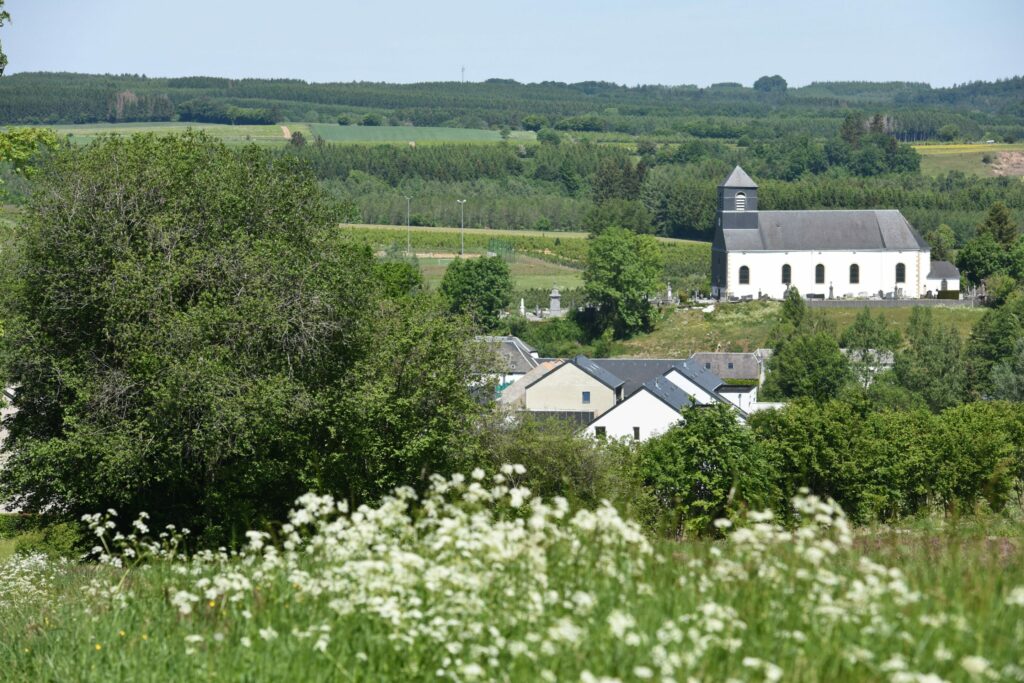
The attack by a pair of wolves last July in a peaceful Walloon village resulted in the death of 20 sheep and raised anxiety in the rural community but ended happily amid improvement of Belgian wildlife management.
As previously reported, the attack took place in the village of Louftémont in the commune of Léglise. The pair of wolves were believed to have been living in the nearby Anlier forest for several months but this was the first time they had attacked domestic livestock, an expert from the from the Department for the Study of the Natural and Agricultural Environment noted.
"Until now, this pair had been feeding mainly on wild animals. We do not yet have proof of the presence of juvenile wolves, but today's attack could point in that direction: the pair may be attacking opportunistically to provide food for their young.”
Other explanations to the ‘over-killing’ have also been given. When sheep panic and scatter in a pen, it triggers a chase instinct among wolves. In the wild wolves may kill more than they can eat and come back later.
Local residents and farmers voiced worries because the attacks happened close to areas used for summer scout camping. They also questioned how multiple strikes across separate fields in a single night could happen.
Léglise mayor Simon Hubert went quickly to the scene to calm down the situation and look at what needed to be done together with experts. "Then, depending on the situation of each campsite, we will see whether additional measures are needed or whether relocation should be considered. I simply want to be guaranteed that there is no danger."
Since then, DNA analysis has confirmed that the ‘attack’ was indeed carried out by the wolf pair living in the Anlier forest. However, no hunt for them took place. Wolves in Europe are endangered and continue to be protected after the downgrading of the protection status last year from ‘strictly protected' to ‘protected'.
During the legislative process, the European Commission confirmed that the lowering of the protection status will not release the Member States from their obligation to preserve and protect the Favourable Conservation Status (FCS) of wolves in the EU. Wolves have slowly returned to Belgium, where they have been absent for over a century. The population is estimated to 20 - 25 wild wolves.
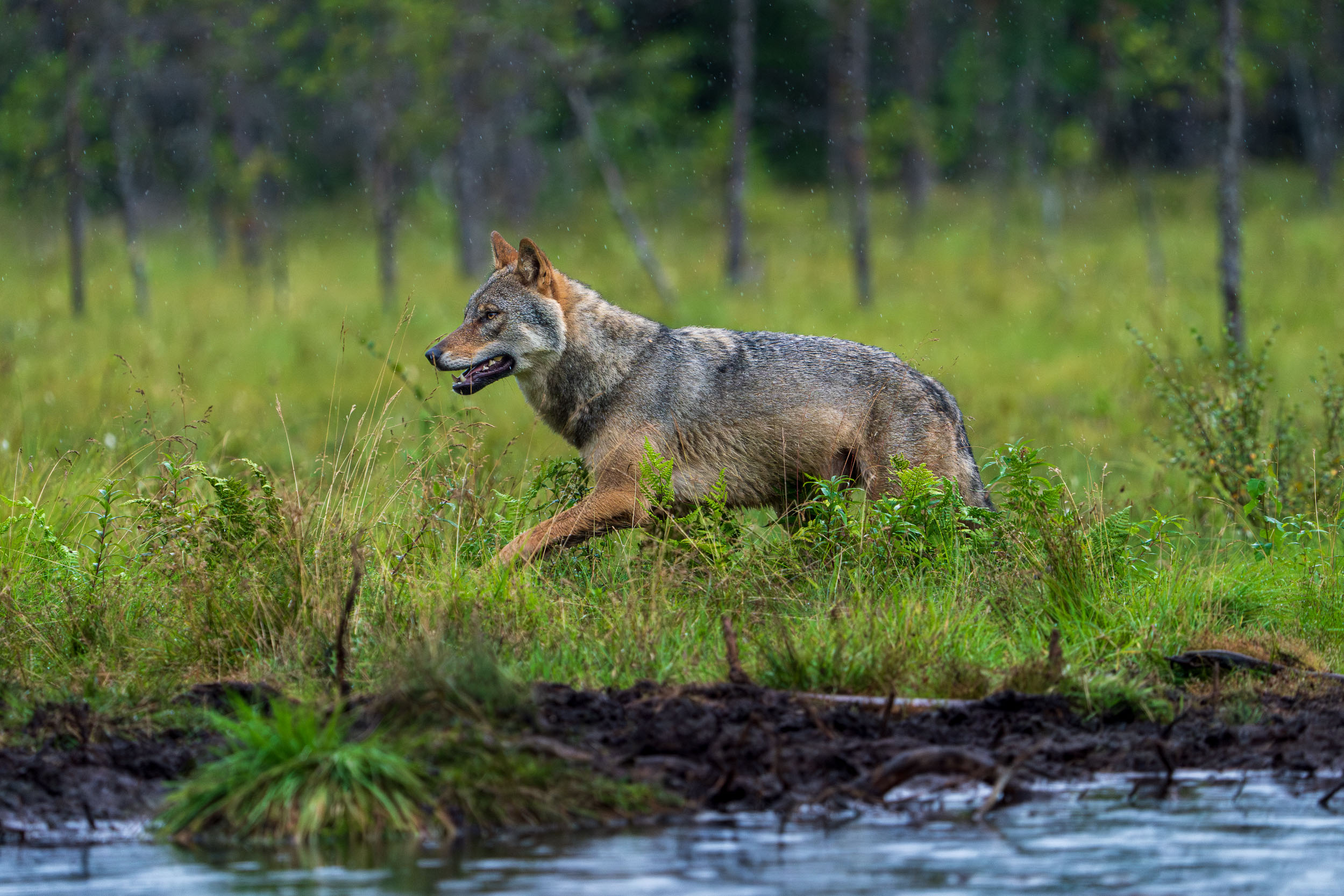
Eurasian wolf, credit: Magnus Lundgren/Swedensbigfive.org
Follow up of incident
Instead of targeting the wolves, the local authorities issued a police ordinance banning youth groups and summer scout camps from entering the communal forests between 8:00 pm and 6:00 am until 31 August to prevent any potential nighttime encounters.
Wildlife experts publicly reassured the community that wolves remain naturally afraid of humans, meaning that the risk to the public and summer campers is extremely low.
Furthermore, the affected farmers were entitled to financial compensation for their losses once DNA samples had confirmed the wolf attack. The Walloon Minister of Agriculture, Anne-Catherine Dalcq, announced plans to accelerate compensation payout timelines.
The Walloon government also funds preventive measures such as the purchasing and installation of electric barriers and wolf-proof fencing for local farmers. In this case, the livestock was not protected by wolf-proof fencing. Local farmers were reportedly reluctant to maintaining long stretches of electric fencing because of the high labor burden on rural communities.
However, following the attack, the authorities deployed emergency resources to help regional farmers erect electric fences to immediately secure vulnerable flocks. To be legally recognized as "wolf-proof" and qualify for government subsidies or livestock damages, a fence must meet strict height, wiring, and electrical specifications.
In fact, Belgian livestock farmers are increasingly concerned about protection their livestock against wolves, with a record number — 526 in total —submitting applications to install wolf fencing last year, the Wolf Fencing Team Belgium announced in April.
The Walloon government is also preparing a "Wolf Plan" (Plan Loup) which will be launched towards Autum 2026. The plan signals a policy shift from passive tracking to a “balanced approach” of coexistence with wolves. It will allow the culling of specific wolves which are categorized as "déviants" (problem wolves).
The benefits of predator-proof fencing are supported by Swedish data, Misha Istratov, a Swedish author and wildlife expert, told The Brussels Times. His recent book, ‘The Hunters' Kingdom (Jägarnas Rike) - An Investigation in the Line of Fire’, is the first comprehensive study about the role of hunting and the influence of its proponents in Swedish society.
“Our agricultural-sciences data show that sheep behind predator-proof fencing face roughly 16 times lower attack risk than behind ordinary netting,” he underlined.
He also highlighted the use of guard dogs in other countries to protect farmed animals. In Tuscany, Italy, with over seven times Sweden's wolf density on a smaller area, farms using guard dogs lost only one sheep each in three years. Similar accounts come from the northern Caucasus, where thousands of wolves share the landscape with generations of sheep farmers.
