
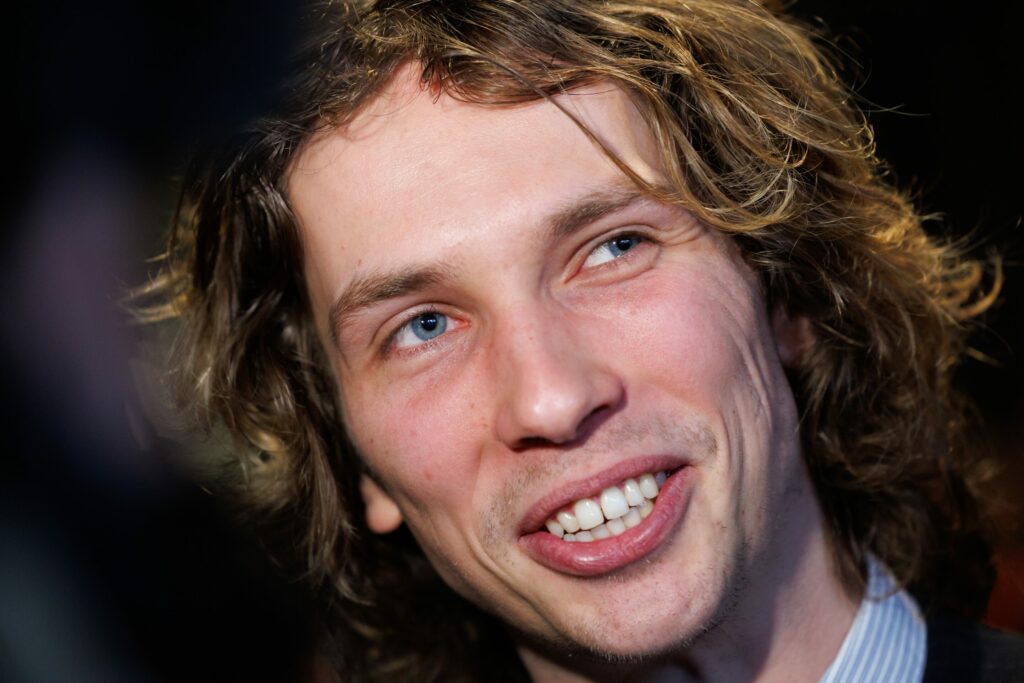
Belgian YouTuber Nathan 'Acid' Vandergunst has returned to producing videos after spending a month away from the platform as he dealt with mental health issues, and claims that AI fixed them. But is this the best approach?
In a new video posted on YouTube, Vandergunst speaks frankly to his audience and explains why he took time off the platform. He opens up about his grandmother's health issues and how he lost his grandfather to Alzheimer's. He says that he struggled with the rollercoaster of emotions, which caused him to turn away from social media and spend time away from his followers.
But an unexpected solution brought Vandergunst back from his hiatus.
"I surrendered myself to ChatGPT," he said. "ChatGPT said exactly what I needed to hear at just the right moment. 'People aren't necessarily missing your videos; they're missing you.' That really made me cry. It lifted a huge weight off my shoulders," he added.
The release of emotional build-up helped Vandergunst return to the spotlight. "Go and see your grandparents if you still have them. Don't just send a message – give them a call. Those people love you dearly," he said upon his return.
Lack of human touch
However, a clinical psychologist, who wished to remain anonymous, warned against relying solely on artificial intelligence to deal with mental health issues.
"There is a risk that AI focuses too much on confirmation and reinforcement. Someone who is dealing with psychotic vulnerabilities might have their delusional systems confirmed by AI, or it could reinforce people with narcissistic or antisocial behavioural problems to commit destructive actions," the psychologist told The Brussels Times.
"Another worry is the lack of AI's ability to identify and flag worrying behavioural signs. Escalating when a patient poses a danger to themselves or others is a crucial component of caring for someone."
But most importantly, AI does not provide the human touch people sometimes need. "I strongly believe in the human need to be held in another person's attention and time, which is also physically palpable. Furthermore, more attention could be paid to physical signals and non-verbal language, which already encompass a great deal of therapeutic work," she concluded.
