
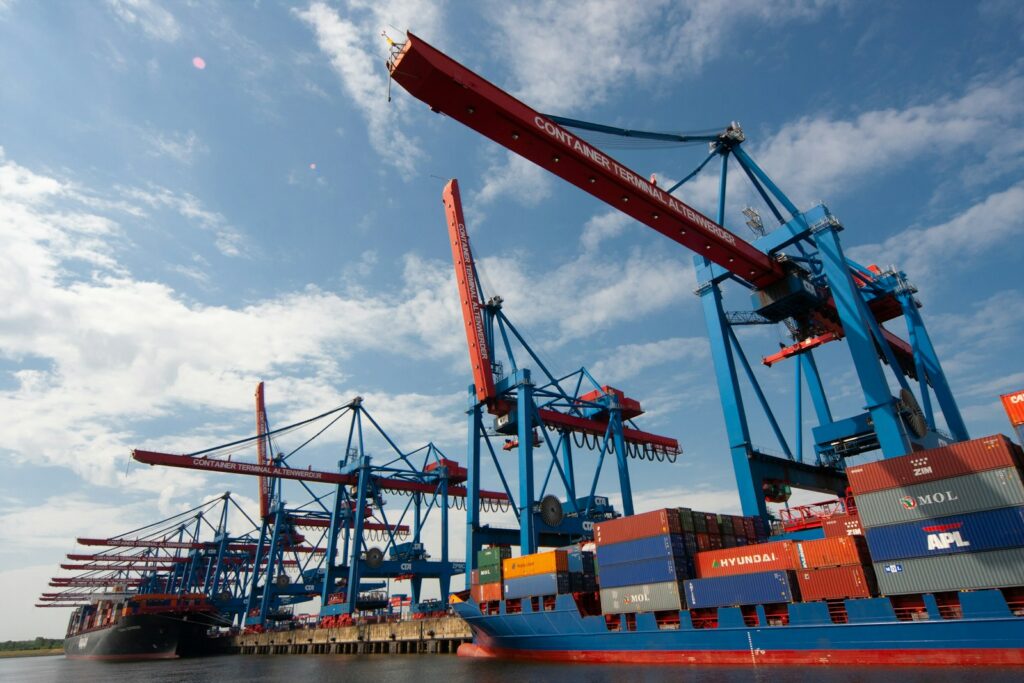
The EU recorded a €21.8 billion trade deficit in goods in the second quarter of 2026 as imports from non-EU countries rose above exports.
Imports totalled €701.8 billion in Q2 2026, while exports were €680.0 billion, Eurostat reported on Monday.
It noted that this was the first trade deficit since the second quarter of 2023.
The wider gap was mainly driven by a bigger deficit in energy products, which moved from -€71.3 billion in Q1 2026 to -€101.1 billion in Q2 2026.
Deficits also increased for raw materials (from -€7.9 billion to -€9.4 billion) and other manufactured goods (from -€8.3 billion to -€9.1 billion).
Surpluses narrowed for machinery and vehicles, falling from €24.9 billion in Q1 2026 to €23.2 billion in Q2, and for other goods, which dropped from €11.6 billion to €9.1 billion.

Imports rise faster than exports
Surpluses increased for chemicals, from €47.1 billion to €54.0 billion, and for food and drinks, from €10.7 billion to €11.5 billion, Eurostat said.
Overall, exports rose by 5.4% — up €34.9 billion — compared with the previous quarter, while imports increased by 9.9%, up €63.4 billion.
Exports and imports had been declining since the second quarter of 2025, but that fall stopped in the first quarter of 2026, Eurostat said, adding that the earlier declines had been partly attributed to tariff tensions.

