
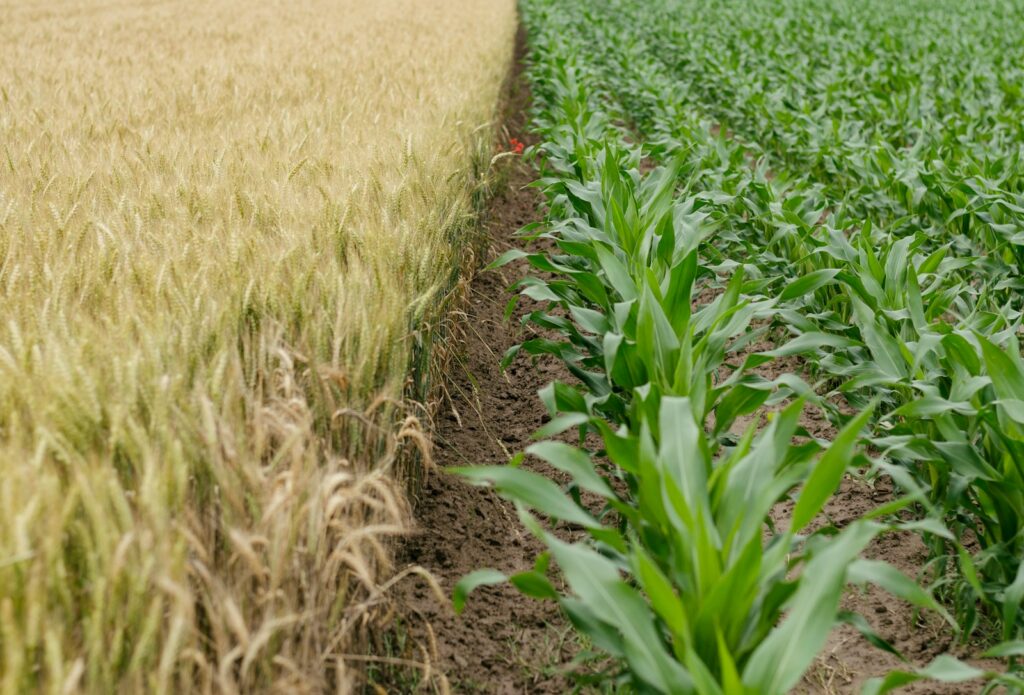
Persistent heat and low rainfall over the past two months have affected summer crops and fodder supplies across western and central Europe, according to the European Commission’s latest MARS bulletin from its Joint Research Centre (JRC).
The strongest impacts have been reported in France, southern Germany, northern and central Italy, Austria, Czechia, Slovakia, Hungary and western Romania, the Commission informed on Tuesday.
High temperatures combined with a lack of rain have hit crops and animal feed supplies, with limited irrigation water adding to the stress in several regions.
Hot and dry conditions have also lowered yield expectations in the Benelux countries, Slovenia and Croatia, particularly for maize, the JRC reported.
Maize is a widely grown cereal crop used for both human food and animal feed.
Fodder supply has become a concern across large parts of western and central Europe, with drought and persistent heat reducing pasture availability and biomass accumulation.
Biomass refers to the amount of plant material available for grazing or harvesting.
Monitoring conditions and support for farmers
The MARS bulletin is published monthly and is used to help the Commission monitor agricultural conditions and respond to difficulties farmers face, the JRC said.
Agriculture and Food Commissioner Christophe Hansen declared that drought and extreme heat were increasing pressure on crops, fodder, livestock and farmers’ incomes, adding that the Commission was “closely and actively monitoring the developments” and gathering information “directly from the ground.”
