

With summer on its way out and holidays officially making way for the start of the school year, plenty of changes are taking effect in Belgium this month as the country implements its monthly list of new measures.
From a raft of education-related changes to Belgium's new penal code and a reform of the pension line, the changes and how they will impact people can be found here.
Back to school
The Dutch-speaking education system will undergo a series of far-reaching changes, as Flemish Education Minister Zuhal Demir (N-VA) set a wide-ranging reform package in motion.
Nearly 3,800 pupils in their first year of secondary education (ages 12-13) will receive three extra hours of Dutch per week, on top of the standard timetable. The extra lessons are compulsory for pupils who did not meet the minimum Dutch language targets at the end of primary school. The primary school class council will decide which pupils are eligible when the certificate is awarded.
In primary education (ages 6 to 12), the phased introduction of revised minimum targets – which replace the 1997 attainment targets – is also set to begin. The common thread is a stronger focus on knowledge, and the targets are becoming much more specific.
In the 2026–2027 school year, the revised targets for Dutch, mathematics, and science and technology will become compulsory for nursery pupils and for pupil in the first, second and third year of primary education (ages 6 to 9). The remaining subject areas and higher year groups will follow in stages up to 2029–2030.

Credit: Belga/Nicolas Maeterlinck
Additionally, 30 primary schools have been selected as ‘inspiration schools’. Each will receive €70,000 to recruit additional staff and will take on a leading role in the implementation of the knowledge-based minimum objectives.
Each inspiration school will share its expertise with around ten other schools within learning networks. Demir is allocating €2 million to the project.
As much as possible, school days must be effective teaching days: optional holidays will be abolished, staff training days will be restricted, and lessons may no longer be suspended in school buildings following elections.
The first and last days of term will be full teaching days, and in secondary education the maximum number of assessment days will be reduced.
Where lessons cannot take place, pedagogically meaningful childcare will become the norm. Demir points out that Flemish schools provide 11% fewer teaching hours than the OECD average. There will be no changes to the school holidays to bring them in line with Belgium's French-speaking system.
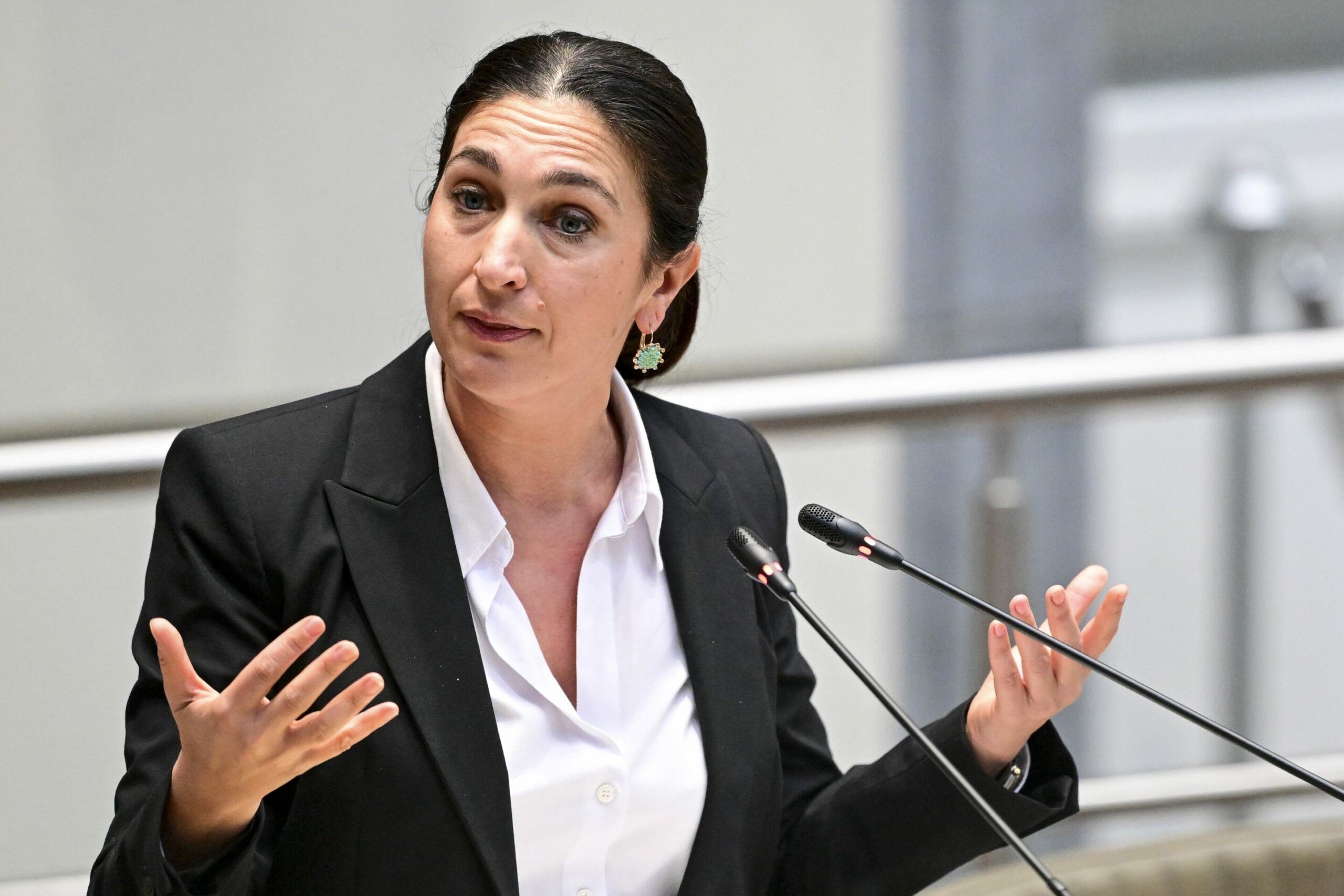
Flemish Minister for Education and Work Zuhal Demir. Credit: Dirk Waem/Belga
Furthermore, 20 pilot schools will launch. In these, mainstream and special needs schools will collaborate with learning support staff and Centres for Pupil Guidance (CLB) to test how pupils with additional support needs can be better supported. The pilot projects are voluntary.
By the end of the legislative term, there should be 50 such projects; €5.2 million has been earmarked for the first academic year.
One planned reform will not go ahead: the greater flexibility regarding religious education subjects. The Council of State ruled that the organisational flexibility the Flemish Government sought to introduce via a decree went too far. Following that advice, Demir said it would be unreasonable to impose yet another new framework on schools.
Unrelated to Demir's reform package, a headscarf ban for pupils and staff will come into force in nine provincial schools in East Flanders. It concerns a general ban on the wearing of outward signs of religious or political belief, such as headscarves, yarmulkes, crosses or party badges.
In the GO! education system, neutrality applies throughout Flanders. For municipal, city, provincial and independent schools, it is up to each school individually to make a decision.
Emptying dormant accounts
The minimum threshold for dormant accounts (on which no active transactions have taken place for five years) will rise to €250. Any amounts below this will then be immediately transferred to the Exchequer.
The bank must trace the account holders, but if this proves unsuccessful, the funds are transferred to the Deposit and Consignment Office (DCK). Once that has happened, a five-year limitation period applies. After that period expires, the money belongs to the Treasury.
Bank vault. Credit: Belga/Jonas Hamers
Until recently, this limitation period was 30 years but the Federal Government's programme law reduced it to five.
Additionally, no limitation period applies to small amounts held by the DCK: these dormant balances flow directly into the Treasury. Initially, the minimum threshold was €20; this was later raised to €60 and, from September, will be €250.
Anyone wishing to check whether they have dormant balances can visit www.slapenderekeningen.be.
Fewer homeless shelters
In the Brussels-Capital Region, 1,000 accommodation places for homeless people are being cut: the 2,000 accommodation places created under the Brussels Deal will be reduced to 1,000.
The Brussels Deal was launched at the end of 2022 to tackle the insufficient capacity within the Fedasil network to accommodate asylum seekers. With an annual budget of €42 million, 2,000 new places were funded in the Brussels Region.

Credit: Vicente Torre Hovelson/ The Brussels Times.
Now, Federal Asylum and Migration Minister Anneleen Van Bossuyt (N-VA) claims that demand has since fallen to around 1,000 single men. Of those, she said, half would be accommodated by family, friends or acquaintances.
According to the Brussels-based homelessness organisation Samusocial, however, the number of applications for shelter in Brussels is not decreasing, but rising sharply – particularly among families with children. They warned that the withdrawal of funding could trigger a humanitarian crisis.
New penal code
Belgium's revised Criminal Code will finally come into force this month, after being greenlit by the Federal Parliament more than two years ago. The new rules were initially due to come into effect on 8 April, but this was postponed as numerous other laws had not yet been amended.
The old Criminal Code dated back to 1867. The new text is intended to better reflect the norms and values of today's society, and should be easier to read.
The text provides for an expansion of the range of penalties, with imprisonment regarded as the last resort, and only to be imposed if the objectives of the punishment cannot be achieved by any other penalties or measures. It should also allow for a more appropriate punishment of offenders with psychiatric disorders.
Illustrative image of the inside of a prison. Credit: Belga / Nicolas Maeterlinck
From now on, the judge must specify the objective of the sentence. Additionally, the classification of offences into crimes, misdemeanours and offences under the old Criminal Code is being abolished. Instead, the new Criminal Code is based on a new scale of principal penalties, subdivided into levels 1 to 8.
For offences falling within the lowest level 1, prison sentences are no longer possible. Offences falling within the highest level 8 are punishable by life imprisonment.
Less frequent road-tests for cars
The vehicle roadworthiness test in Flanders is being reformed. From now on, all passenger cars over four years old will only need to undergo the test every two years.
Passenger cars must undergo their first inspection four years after the date of first registration. For a long time, they were required to be inspected annually from that point, but in recent years there has been a gradual relaxation of the rules.
Additionally, the insurance certificate will no longer be checked during the vehicle inspection, as this check is already carried out at federal level via ANPR cameras. If major defects are identified, the driver will be given two months to rectify them (instead of 15 days).
Queen Mathilde gets a new secretary
Belgium's Queen Mathilde will get a new assistant: Marleen Steenbrugge. She is succeeding Machteld Fostier in this role.
Steenbrugge is moving from the office of Foreign Minister Maxime Prévot (Les Engagés), where she was an adviser on multilateral affairs. Prior to that, she served as a diplomat for over 15 years.

Queen Mathilde of Belgium pictured during a singing workshop at the La Monnaie opera house, in Brussels. Credit: Belga/Benoit Doppagne
According to the Belgian monarchy's website, the Queen’s secretary is "the Queen’s principal direct assistant". In addition to daily consultations, the secretary manages the Queen's diary, organises audiences and meetings, and prepares the Queen's speeches and visits.
Spotify more expensive
The Swedish music streaming service Spotify is increasing the prices of its subscriptions in Belgium. The standard subscription – ‘Premium Individual’ – will now cost €13.99 per month, up from €11.99.
The new price is an increase of almost 17%, and will apply to existing customers from September. The Spotify website already lists €13.99 per month for new subscribers (following a three-month free trial).
Other subscriptions are also becoming more expensive: ‘Premium Duo’, with two accounts, will cost €19.99 per month. And the ‘Premium Family’ subscription will cost €23.99 per month.
Compulsory helmets on e-scooters
Wearing a helmet is becoming compulsory on electric scooters capable of speeds exceeding 20 kilometres per hour in Belgium.
In practice, this means that whether or not a rider is required to wear a helmet does not depend on the speed at which they are travelling, but on the speed the device is capable of reaching.
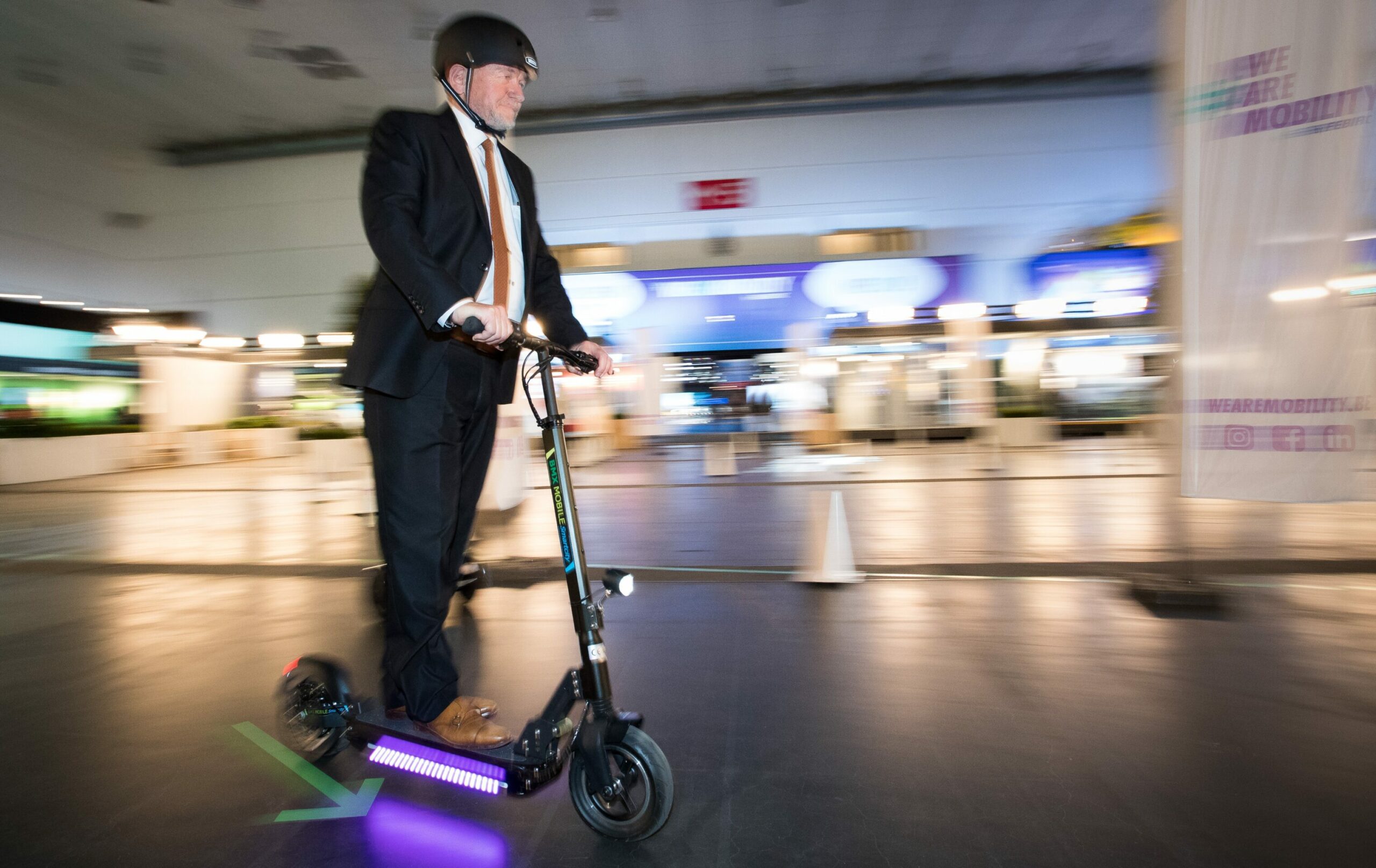
Belgium's former Mobility Minister Francois Bellot rides an electric scooter at the opening of the 98th edition of the Brussels Motor Show. Credit: Belga/Benoit Doppagne
The helmet must protect "the temples and the back of the head". The measure is intended to improve safety.
In Belgium, the maximum speed of e-scooters allowed on public roads is 25 km/h, meaning the compulsory helmet rule applies to the group of e-scooters with a maximum speed between 20 and 25 kilometres per hour.
Health-related changes
Video consultations for speech and language therapists
Speech and language therapists in Belgium will be able to see patients via video link. Importantly, the choice always lies with the patient. If they prefer a face-to-face consultation, that remains possible.
The initial contact between the speech and language therapist and the patient must always take place in person, as must assessment sessions, review sessions and group sessions.
Additionally, a maximum of ten consecutive sessions may take place via video. Video consultations are not an option for patients under the age of four.
Video consultations were already permitted for GPs, physiotherapists and midwives.
Reimbursed urine tests for kidney damage
The urine test that detects albumin will be reimbursed for people with high blood pressure or already impaired kidney function. The test can detect kidney damage at an early stage – often before any clear symptoms or significantly impaired kidney function are present.
An estimated 1.1 million Belgians suffer from chronic kidney disease, and that number continues to rise year on year. The urine test for albumin is the best test for enabling early detection, according to specialist organisations.
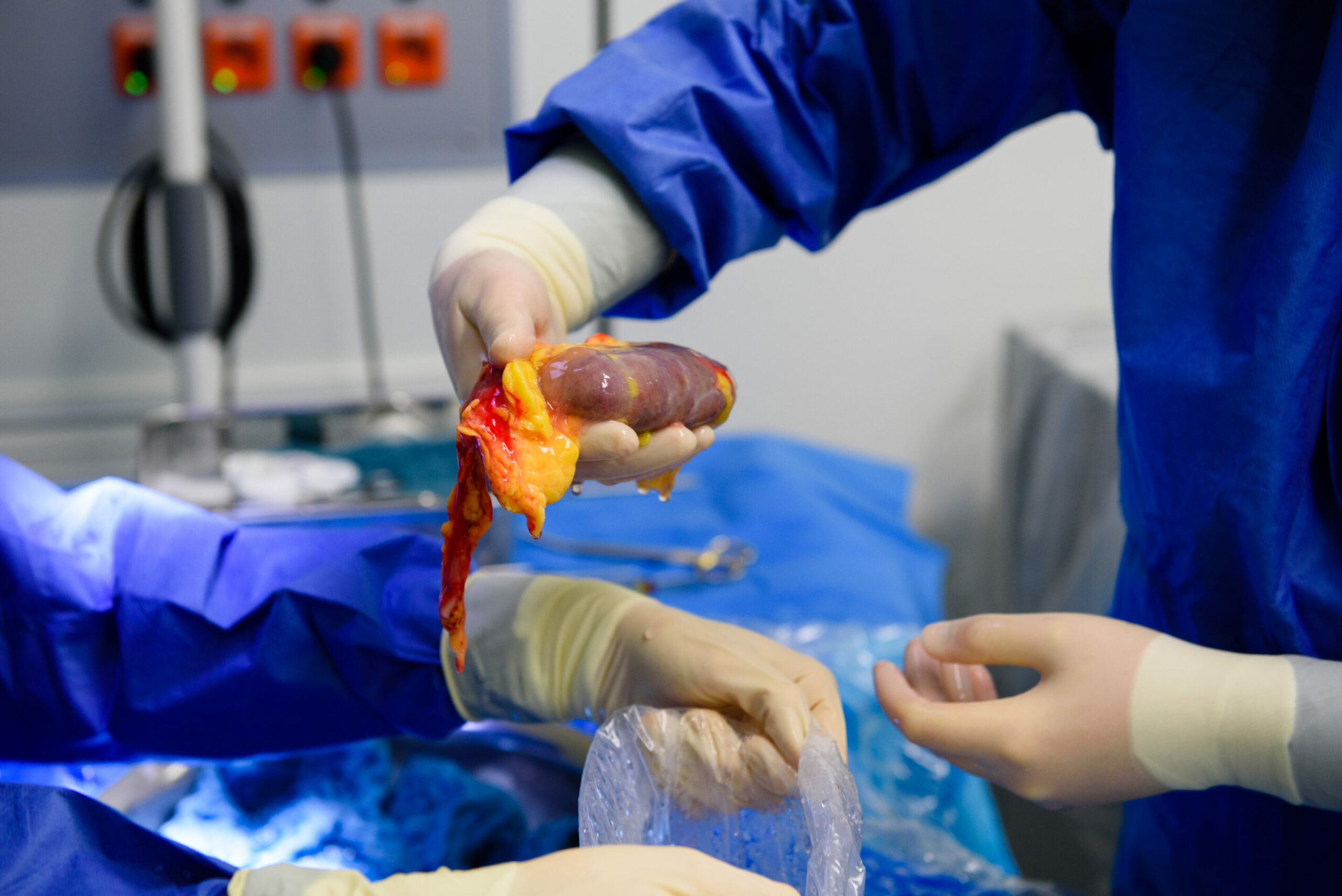
Illustration image of a kidney transplant. Credit: UZ Leuven
Albumin is a protein that is normally barely present in urine. When significant amounts of albumin are found in the urine, this may indicate damage to the kidney filters. The test can therefore detect a kidney problem at a time when kidney function still appears relatively normal.
First-degree relatives of people with kidney failure who are undergoing dialysis or have had a kidney transplant can also have the test carried out once a year.
Pension helpline no longer free
People with questions about their pension file will no longer be able to call the free number 1765 from this month. It will be replaced by a new standard number: 02/225.17.65.
The Pension Helpline had been free for many years, but cost the pension institutions (Federal Pension Service, National Institute for Social Insurance for the Self-Employed and Sigedis) more than €1 million each year.
"By switching to a standard number, significant savings (as requested by the Federal Government) can be achieved, while the quality of service is guaranteed," according to the Pension Service.
For most callers, little will change: calls to a landline number beginning with 02 are included in most landline and mobile subscriptions. For others, the call will be charged at the rate for a local call. Opening hours remain the same: Monday to Friday, from 8:30 am to 12 noon.
