
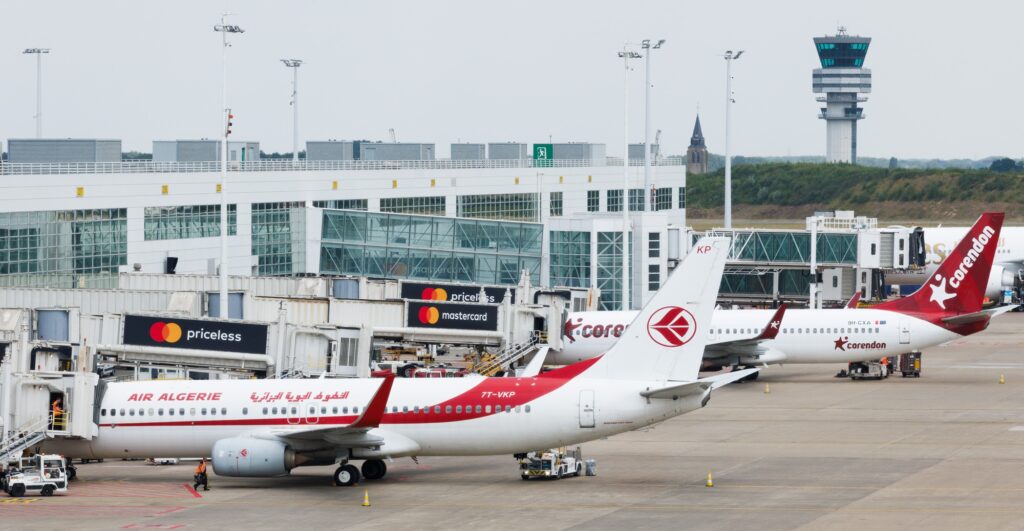
The planned expansion of Brussels Airport clashes with the Paris Agreement, according to an examination by sustainability NGO Transport & Environment (T&E)
Picture a green boulevard leading travellers into an intermodal hub. A four-star hotel beside the runways. Wider arrivals halls to handle the crowds. This is the vision Brussels Airport hopes to complete by 2032, as it pushes passenger numbers from 24 million in 2024 to 32 million in 2032.
But can that growth coexist with a liveable climate? According to T&E, the answer is a clear no.
The organisation scrutinised the expansion plans of virtually every major airport in Europe, and concluded that Brussels Airport's additional capacity will generate an extra 3 million tons of CO2 emissions over the next two decades, De Morgen reports.
Emissions budget blown by 2035
Left unchanged, Brussels Airport's expansion would produce 73 million tons of CO2 by 2050. That is more than double the limit set by the Paris Climate Agreement. T&E said this figure already accounts for expected technological gains, such as cleaner fuels and more efficient aircraft.
Bond Beter Leefmilieu, a network of environmental and sustainable organisations in Flanders, called the plans unacceptable.
"At the current rate, the airport will have used up its entire CO2 budget for 2050 as early as 2035,” said spokesperson Klaas Decorte. “To remain below the CO2 ceiling, its emissions would need to fall by 10% every year.”
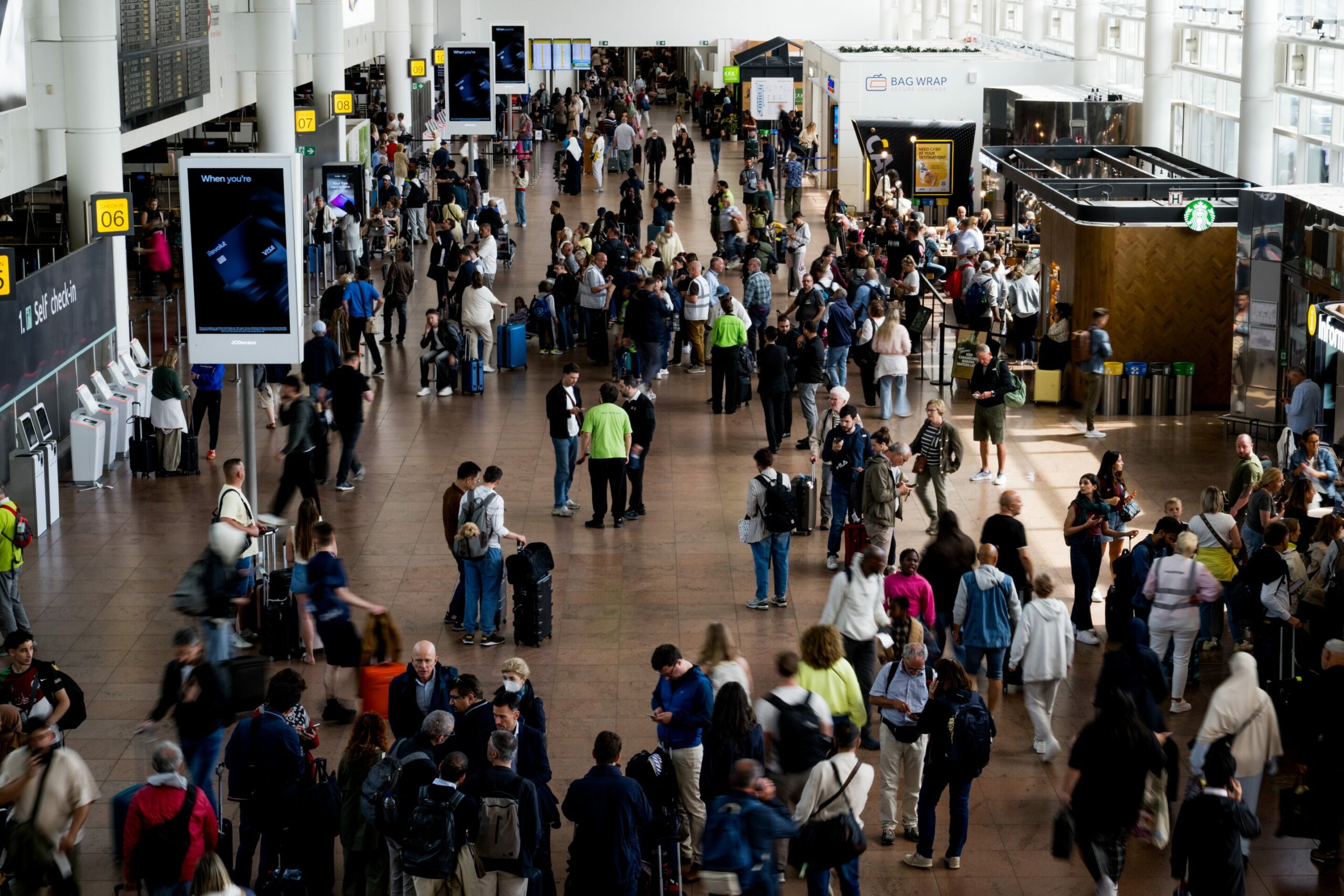
Illustrative image of passengers at Brussels Airport in Zaventem. Credit: Belga/Jasper Jacobs
The airport is not privately run. The Flemish government owns 39% of it, and the Federal Government owns another 25%.
That, Decorte argued, makes the decision a political one. "Following the heatwaves and the devastating fire in the High Fens nature reserve, our politicians are therefore faced with a clear choice," he said. "Will they prioritise protecting our climate and our health, or the profits of the aviation industry?"
Brussels Airport sees it differently. It said the expansion simply reflects growing market demand, and that passenger trends this far ahead are hard to predict.
"We therefore find it difficult to make accurate emissions forecasts at this stage," a spokesperson for the airport said. The airport maintains it is still aiming for carbon neutrality by 2050.
The pattern is not unique to Brussels Airport. Charleroi Airport also plans to grow from 77,000 flights a year to 83,000, with passenger numbers rising from 10 million to 16 million. T&E estimates that expansion alone would raise Charleroi's annual emissions by half.
