
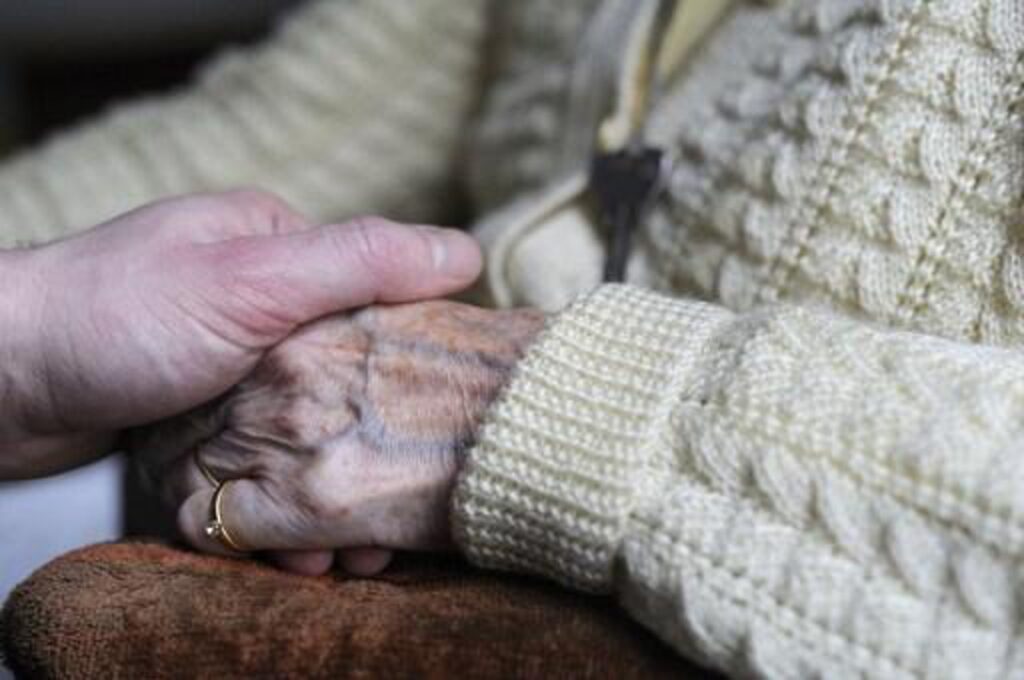
People living with someone with Alzheimer's disease or a related condition devote an average of 139 hours a week to caring for them, according to a new study by Belgian public health institute Sciensano.
The research, funded by the Stop Alzheimer Foundation and published to mark World Alzheimer's Day, sought to quantify the often unseen burden relatives shoulder, from day-to-day care and supervision to emotional support.
For carers who do not share a home with the patient, the figure still averages 50 hours a week. Even after a person enters residential care, relatives continue to provide around 30 hours of support each week.
The commitment can take a considerable toll on family life and employment. Among carers who are professionally active, 41% said they had cut their working hours to accommodate their caring responsibilities.
Related News
The impact on wellbeing is equally stark. More than eight in ten respondents (81%) reported difficulties with their mental health.
Beyond the human cost, the study points to a substantial economic burden. Sciensano estimates that informal Alzheimer's care costs society €2.9 billion each year through lost productivity and reduced working hours.
Were the care provided by relatives to be replaced by equivalent professional services, its economic value would amount to an estimated €10.6 billion a year.
"These results highlight the scale of the contribution made by informal carers," said Sciensano researcher Aline Scohy. Belgium's care system, she added, rests on their daily commitment, "whose economic value remains largely invisible."
"Behind every diagnosis is a family that has to adapt, often urgently," said Lucie Leroux of the Stop Alzheimer Foundation. "Informal carers are an essential pillar of care, but their role remains insufficiently recognised and supported."
