
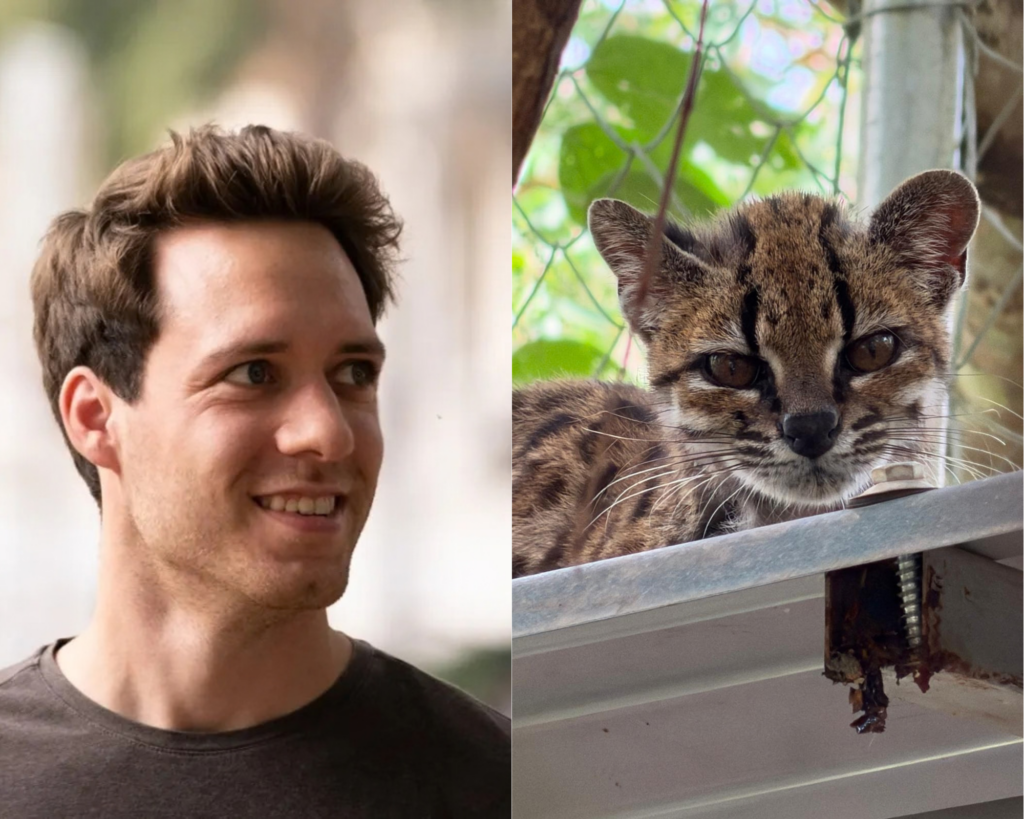
A Belgian evolutionary biologist travelled back and forth to South America, hunting for genomic data on tiger cats. What began as a PhD project would place Jonas Lescroart and the University of Antwerp at the heart of a discovery rarely seen in modern zoology.
Leopardus tilcayo, 46 cm long and roughly 1.4 kg, smaller than your average domestic cat, known to locals as Tilcayo, was roaming the lush mountainous Yungas forest in Bolivia, a humid region with breathtaking cascades, often covered in clouds.
The feline went unnoticed for almost a century until Bolivian researcher and National Geographic explorer Paola Nogales-Ascarrunz and her colleague Enzo Aliaga-Rossel stumbled upon it in La Senda Verde sanctuary after a local family kept it at home.
This 10-year-old cat, nicknamed 'Tigrino', led scientists to the discovery. Nogales-Ascarrunz was volunteering at the sanctuary when she noticed the cat looked unusual.
A local resident had found it in the forest and initially thought it was a domestic kitten. As the kitten grew older, however, it became clear that it did not behave like a regular house cat.
The two scientists initially thought the creature might be a Leopardus guttulus, a wild southern tiger cat native to Brazil, Paraguay, and northeast Argentina.
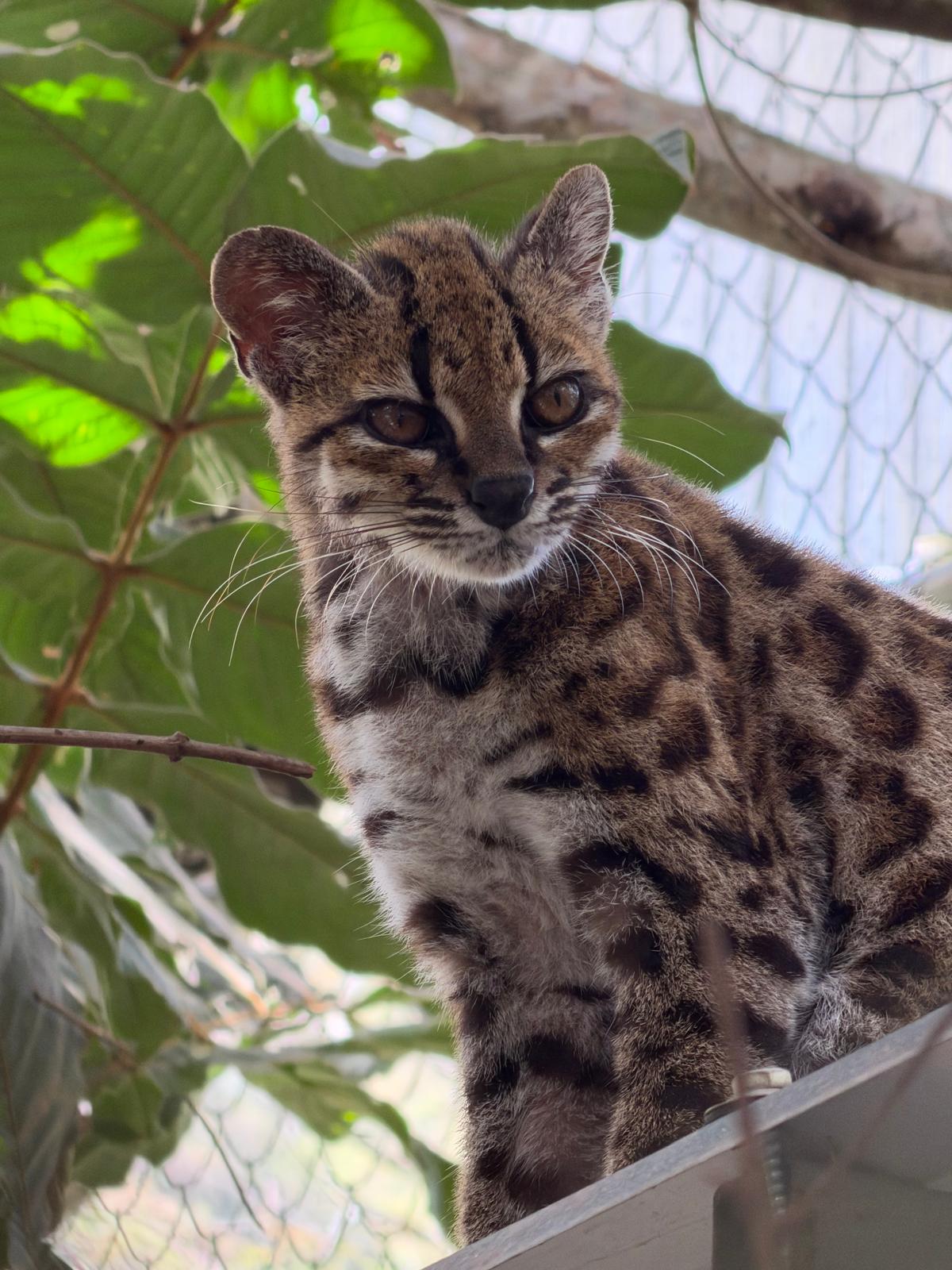
Tigrino was the nickname given to the 10-year-old new tiger cat species. Credit: Paola Nogales-Ascarrunz / Julie Van Collie, handed out by Jonas Lescroart.
Nogales-Ascarrunz took samples for genetic testing and later sent them to the University of Antwerp, which was collaborating with South American universities on tiger cats.
At the University of Antwerp, biologist and PhD candidate Lescroart, under the tutelage of an evolutionary biologist at the Pontifical Catholic University of Rio Grande do Sul in Brazil and senior author of the study Eduardo Eizirik, and Prof. Dr Hannes Svardal, spent hours in Svardal’s lab analysing and comparing bones, skulls and furs.
The 'Aha' moment came when data sets from colleagues in South America, combined with those from Antwerp University signalled something strange. Lescroart and his colleagues essentially built a family tree of tiger cats, comparing DNA from animals found across South America.
While most fit within the branches they expected, Leopardus Tilcayo from Bolivia did not.
“We were very cautious,” Lescroart told The Brussels Times. “We did additional testing, but we consistently received the same result."
After running multiple tests, it had become evident that the feline was a new species of tiger cat unknown to man.
(continues below photos)
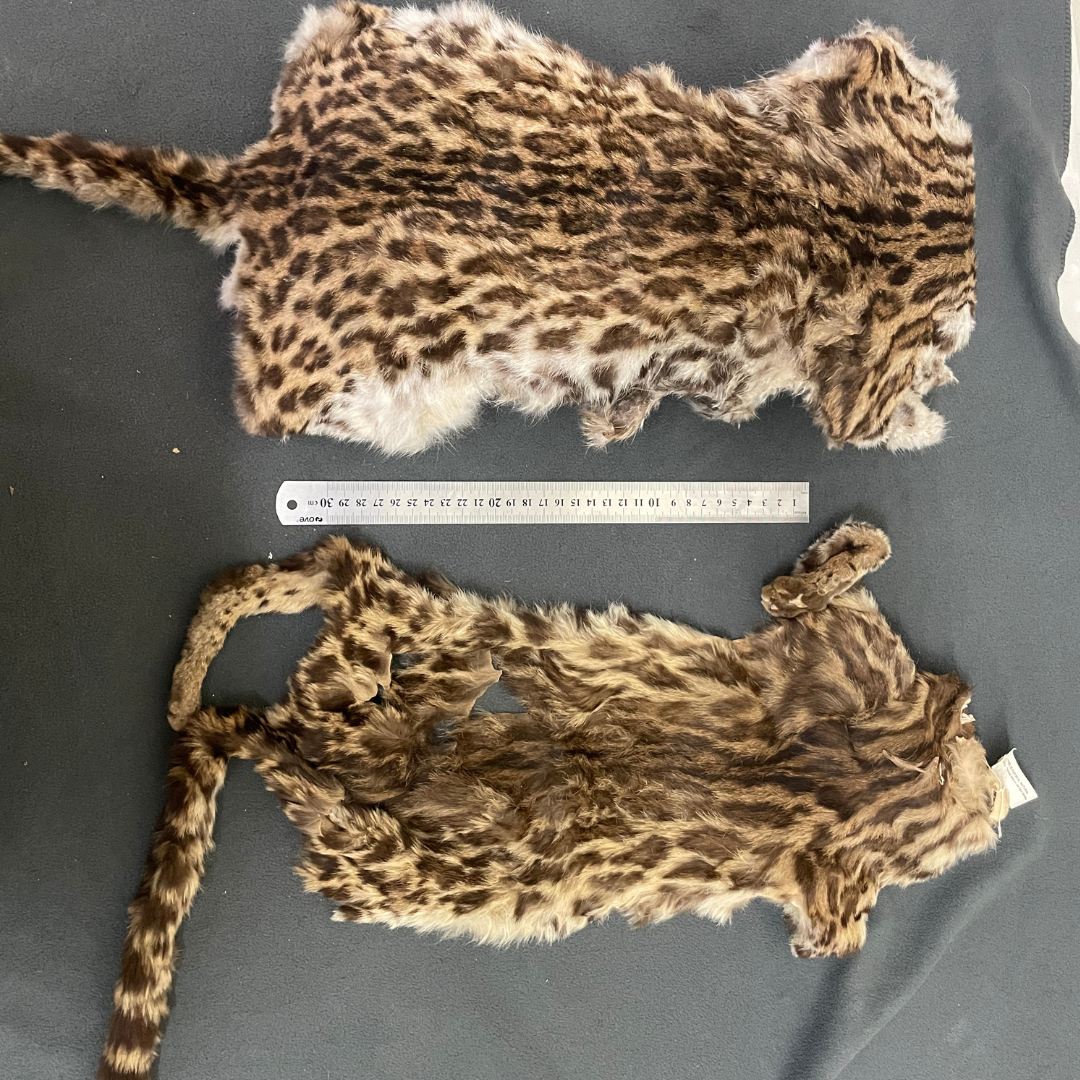
Samples of fur, bones, and skulls were bought from museums to help researchers at the University of Antwerp identify the new species. Credit: Handout by Jonas Lescroart.

Samples of furs, bones and skulls were bought from museums to help the researchers of the University of Antwerp in identifying the new species. Credit: Handout by Jonas Lescroart.
Thrilled to be part of something historic, Lescroart travelled back and forth to Brazil to collect new genomic data on different tiger cats.
These cats are so-called cryptic species, meaning humans can barely distinguish them by appearance. It required crucial lab work and thorough research for Lescroart, who hunted for data in museums across the globe since fresh samples could not be obtained for certain tiger cats.
Pictures of the new cat species quickly travelled beyond scientific circles, and became global news. Our fascination with cats, says Lescroart, is normal. “People have a particular relationship with cats.”
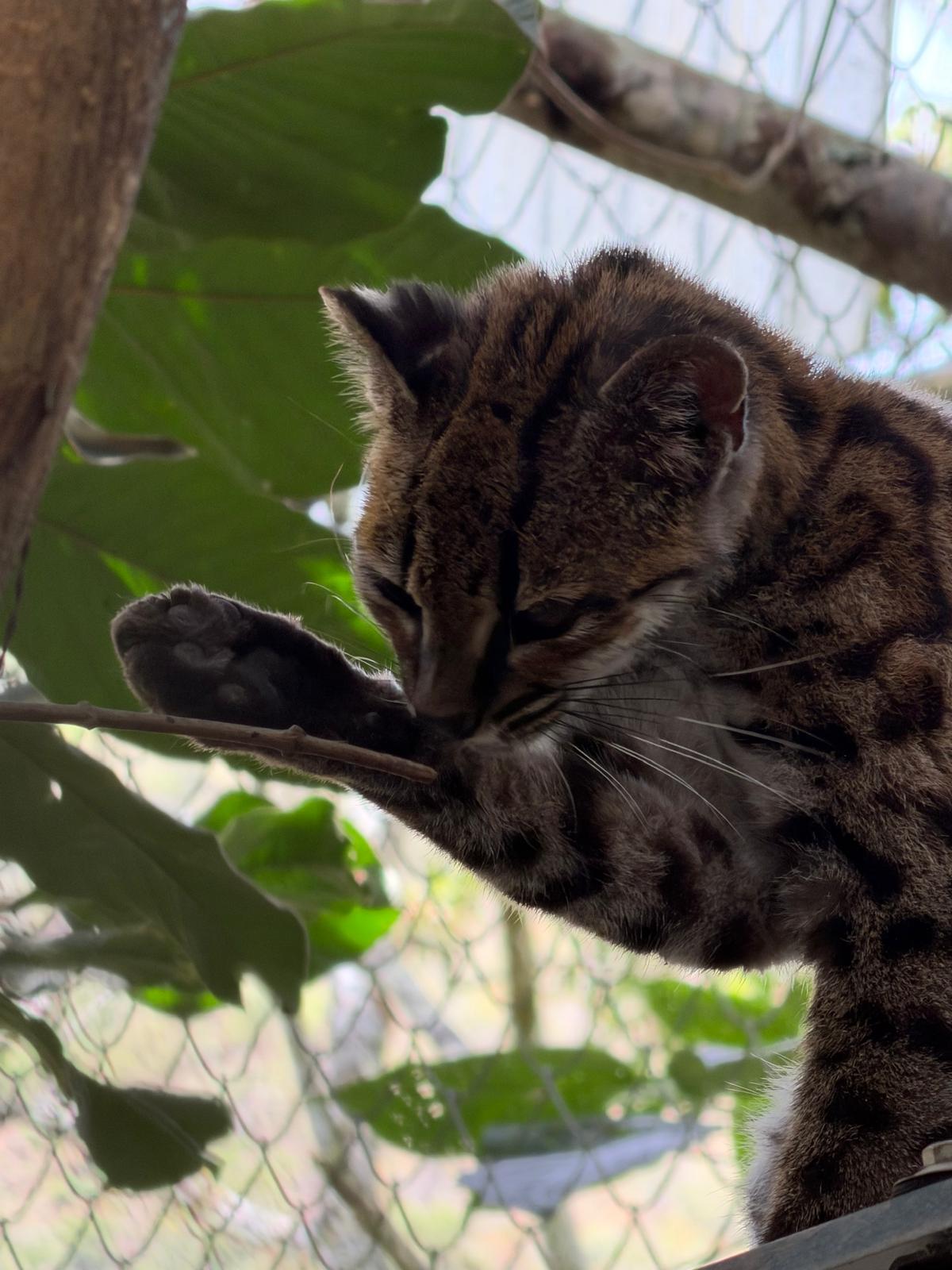
The new discovery suggests the world's cat family, all domestic and wild cats, big and small, will expand from 41 known species to 44 or 45. Credit: Paola Nogales-Ascarrunz / Julie Van Collie handed out by Jonas Lescroart.
Domestic cats, like dogs, are among humans' closest companion animals, Lescroart explains. “We have them close to us, and we see them behave. They are very reactive, each cat seems to have its personality.”
But their wild relatives offer something very different. They belong "to the same family as an animal sleeping on millions of sofas", yet live largely beyond human sight, Lescroart says.
“There is a fascination with the way they position themselves in the ecosystem,” Lescroart says. “They're top predators, and they have this secretive style.”
That contrast, between the familiar animal living in people's homes and its elusive wild relatives, might help explain why the discovery of Leopardus tilcayo has captured so much attention.

Jonas Lescroart in the lab. Credit: Handout.
Another element of the hype was surprise: cats are among the world's most recognisable and closely studied animal groups, so finding one that science had never formally recognised therefore seemed particularly unlikely.
“A completely novel species turned up more than a century after the last one was formally scientifically described," Lescroart says.
The discovery also leaves a tantalising question: if an entirely new cat can still emerge from the scientific record, what else is hiding in the natural world?
“There's a lot still undescribed and out there,” Lescroart says. New species are still identified regularly, particularly among insects, fungi and small marine life, but tiger cats show how unknown biodiversity can also be hiding among animals we think we know.
"It takes genetics to start discovering and describing the additional hidden diversity," he says, something he believes is likely to be true for many other groups of animals as well.
