
The European Commission has adopted a €505 million package of financial support for Lebanon for 2026 and 2027, completing the second half of a €1 billion EU plan announced in 2024.
The funding is intended to support reforms and economic recovery, strengthen security and border management, and maintain essential services for vulnerable people, the Commission said in a statement on Wednesday.
Part of the money will go towards basic services including education, health, social protection and water, as well as cash assistance for vulnerable families and people with disabilities. Support will also cover access to primary healthcare.
The package also includes funding for Lebanon’s reform agenda, including support for the justice sector, oversight and regulatory bodies and Parliament, as well as human rights.
The programme also covers measures linked to the security sector, border management, private sector resilience and economic recovery in conflict-affected areas.
Funding is also earmarked for civil society organisations working on the rights of women, young people, minorities and persons with disabilities, as well as initiatives linked to democratic participation, transparency and anti-corruption efforts.
Part of a wider €1 billion plan
The €505 million is the second tranche of an EU financial support package for Lebanon covering 2024 – 2027, with the first €500 million tranche for 2024 and 2025 adopted in August 2024, according to the Commission.
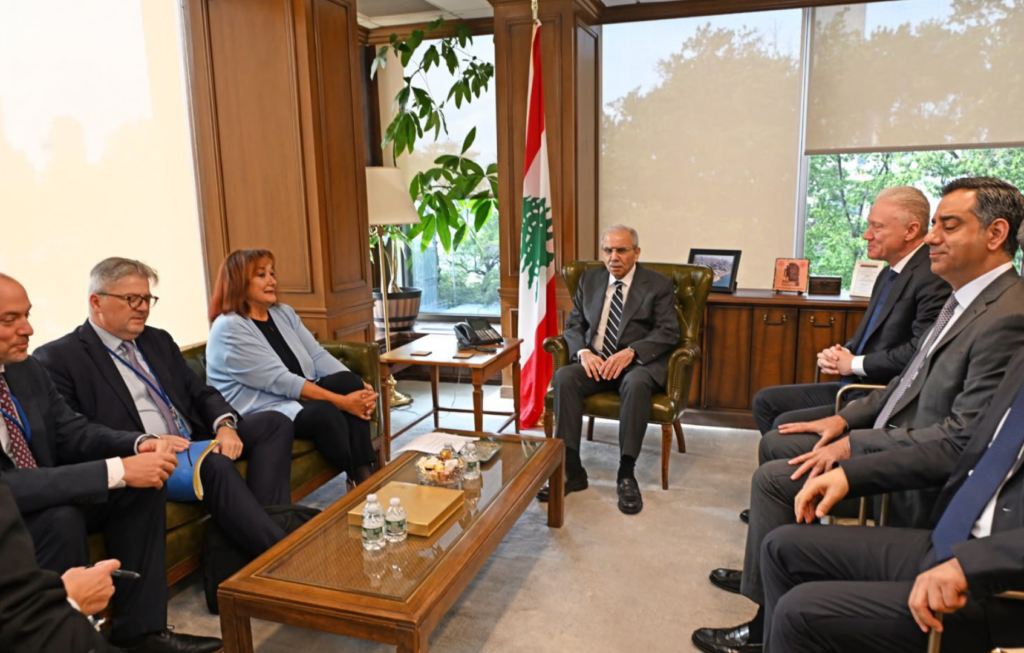
Commissioner for the Mediterranean Dubravka Šuica announced the funding in New York on the margins of the 81st United Nations General Assembly.
Lebanon has seen more than 1 million internally displaced people since March following an escalation this year, the Commission said.
It added that the EU has been providing €100 million in humanitarian aid in Lebanon in 2026, including emergency healthcare, shelter, basic needs, protection and education.
The EU has provided more than €3.5 billion in assistance to Lebanon since 2011, including support for vulnerable Lebanese people and refugees from Syria.
