
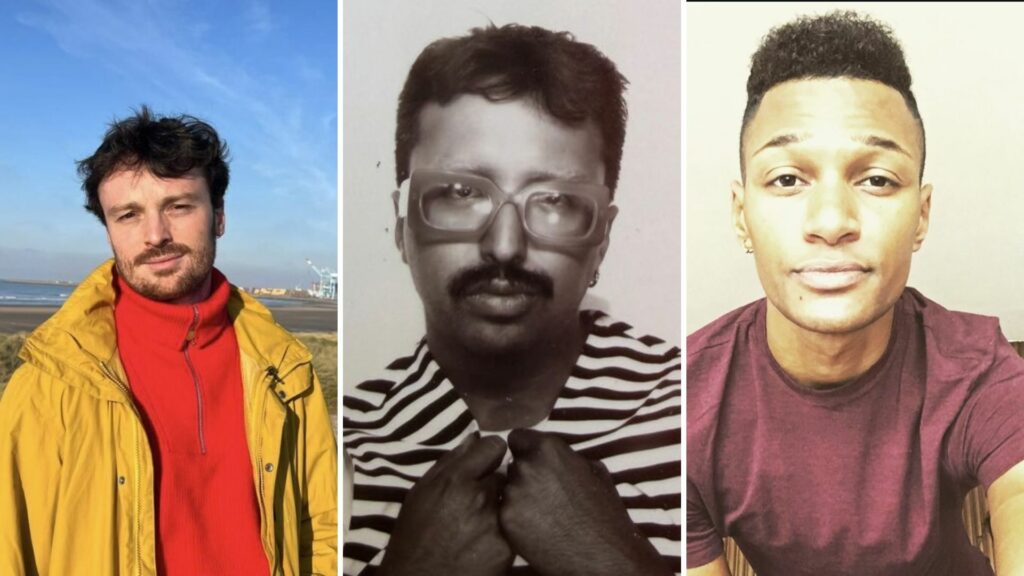
Recently, LGBTQ+ Flemish influencer Jonatan Medart filmed himself walking through Ghent with his boyfriend when a group of young men began shouting homophobic remarks at them, an encounter Medart said left him feeling "deeply uncomfortable".
The footage sparked debate across Flemish media outlets, and Ghent police subsequently opened an investigation. On Friday, however, Medart removed the video, saying that "two of the five men visible in the footage had contacted him to say they had nothing to do with the abuse".
Medart wrote to his followers in an Instagram post, saying that these two had merely been caught on camera, and apologised. The three others, however, could be seen shouting insults.
The correction mattered. But it did not necessarily tame the debate that homophobic assaults are on the rise, and in Brussels, some queer people say travelling from point A to point B is becoming a planned journey full of anxiety and stress.
RainbowHouse Brussels reports that, out of 217 assaults against LGBTQ+ people in the Belgian capital between 2019 and 2024, almost half of them happened in the street or on public transport.
Researcher Charlotte van Vessem and her team at VUB studied how queer people move around Brussels. Their answers show that safety does not always mean a better-lit street or an open infrastructure; it is mainly about which group of people they might encounter in public spaces and how people interact with them. The study did not focus on violence when it happens but more on the fear of it happening at one point.
Gender plays a great role in how people move through the city. Although this is a burden women know all too well, there was a nuance worth making. “There is a difference in the violence that people are afraid of,” Van Vessem told The Brussels Times.
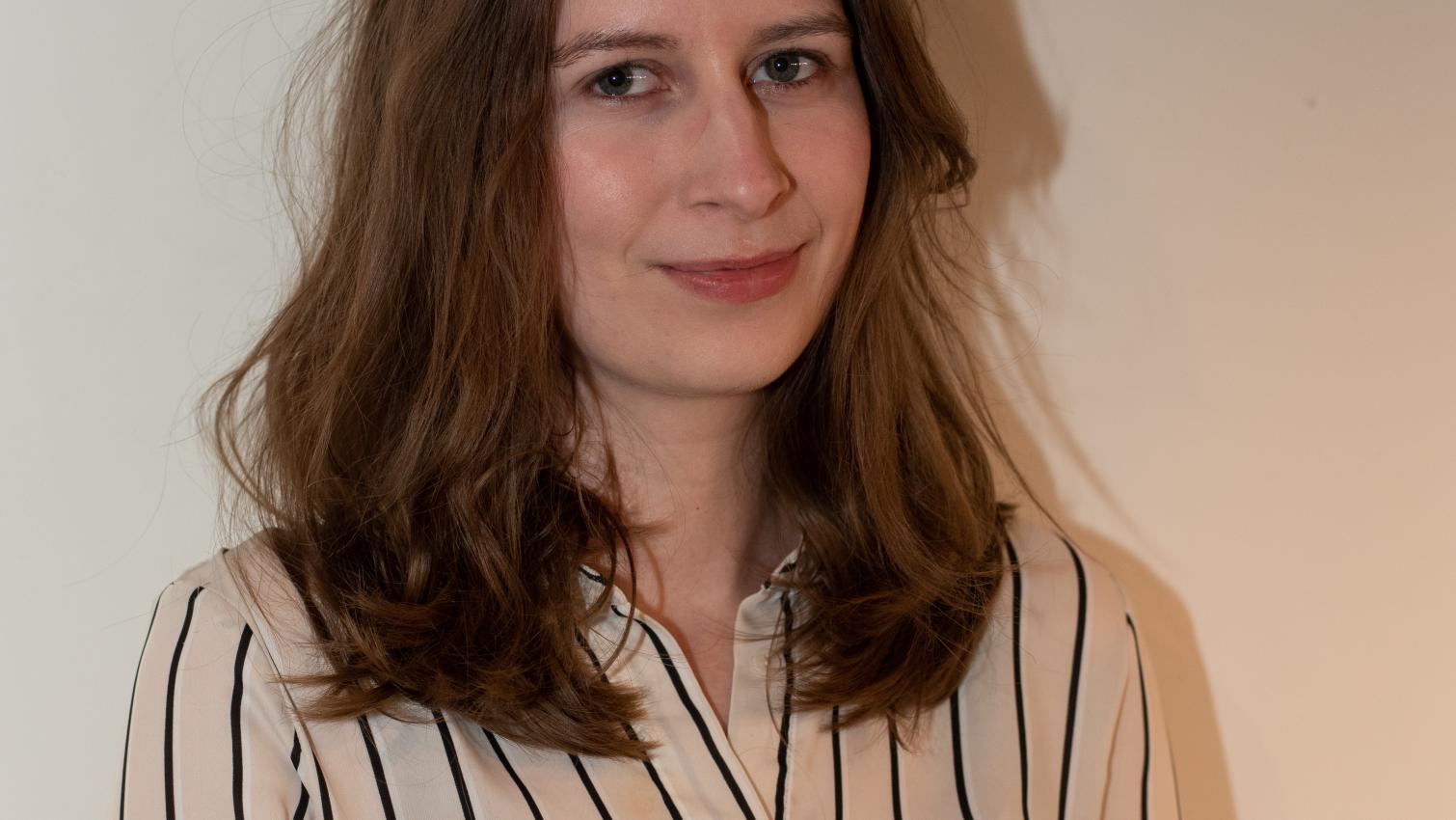
Charlotte van Vesssem and her colleagues at VUB did a qualitative study on queer mobility.
If someone is perceived as a cisgender (their gender identity matches the sex they were assigned at birth) woman in the streets, she can immediately be a target of catcalling, being followed, stalked and, in the worst cases, raped and/or killed.
For people who identify as women and transgender women, the fear is specifically physical or verbal assault; this, of course, does not mean that other forms of harassment that happen to cis women cannot happen to people who identify as women.
“One trans woman said she sometimes completely avoids certain situations when it becomes too much for her. She prefers to stay home then,” said Van Vessem.
For men, however, it is a different story; Van Vessem explained that the men she interviewed said that they are very aware of their appearance and attitude. So, they try "not to look gay".
“Wear a big sweater, sit in a very broad way (manspreading), don’t walk hand in hand with their partner, ‘neutralise’ their homosexuality,” she clarified.
Put simply, they are afraid of "looking gay and getting beaten up for it". This constant anxiety, she said, can change someone’s quality of life.
Previously, The Brussels Times spoke to different queer people who were assaulted. VRT NWS journalist Mathieu Lonbois was walking through Brussels on a chilly Saturday night to catch a night bus when he was assaulted by a group of men near Place Anneessens.
"I will never forget the look in the eyes of one of them. He also had a smirk on his face. It was pure hatred,” he said back then.
This week's incident in Ghent revived not only debates on TV but also feelings of unsafety and a sense of impotence for queer people who previously had been assaulted and now were confronted with Medart's video.
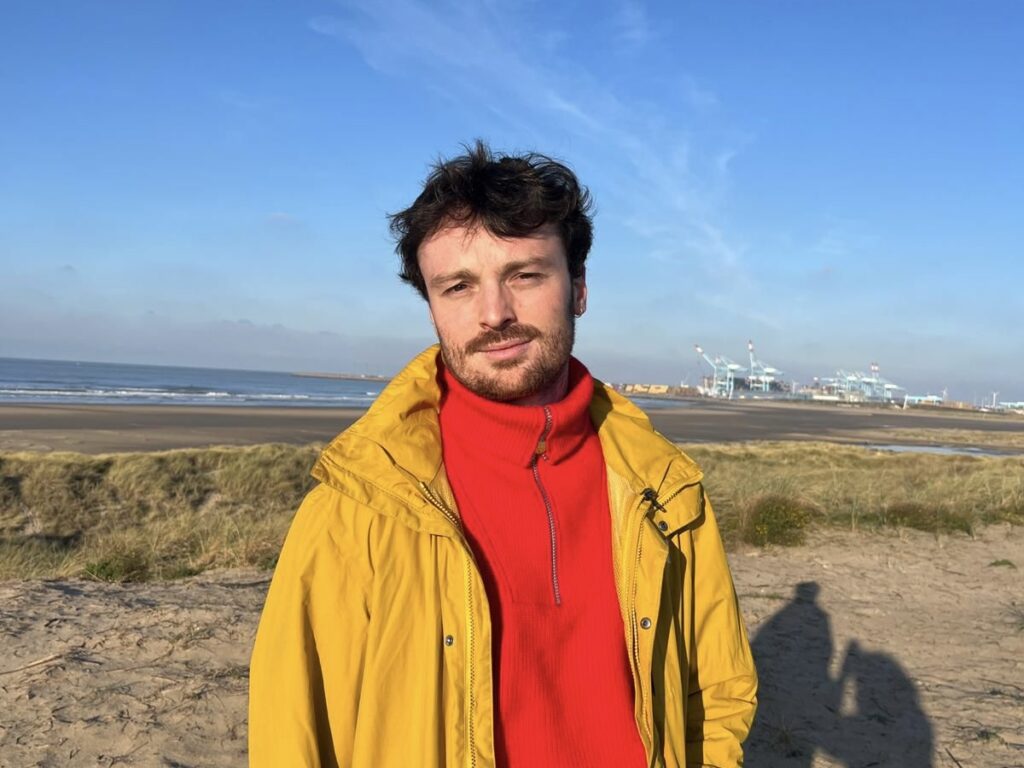
Credit: Handout.
"Just last week, I took an Uber home instead of biking because I was dressed 'in a queer way' and did not want to take any risks. Even going to the queer venue felt risky, although it was broad daylight,” Lonbois told The Brussels Times after Medart's post.
Another member of the LGBTQ+ community, Diego Rodriguez, an artist who works at Literatuur Vlaanderen, told The Brussels Times that he experienced something similar last winter.
"I was leaving the neighbourhood and was just about to check if the night bus was riding. I was walking from Fontainas to Cesar de Paepe when a group of guys started yelling homophobic insults and commenting on my glasses," he said. "They started approaching me. I panicked and was able to get on an e-scooter and get away.”
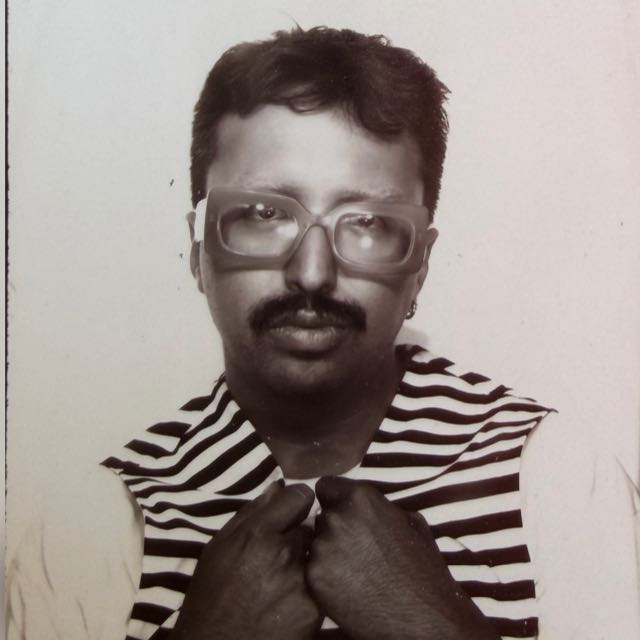
Diego Rodriguez is rather active in the artistic sphere in Brussels. Credit: Handout.
"There are certain neighbourhoods I'll avoid. Thank God, I haven't been attacked so far, but I'm always vigilant. I have quite a confident way of walking, but I don't try to hide my sexual identity," another man, Jonathan, who works for a logistics firm, told The Brussels Times.
"I notice people staring at me. Those looks used to unsettle me, and sometimes they still do, although less than before. I sometimes change the way I naturally move or behave so as not to draw attention to myself," Jonathan said.
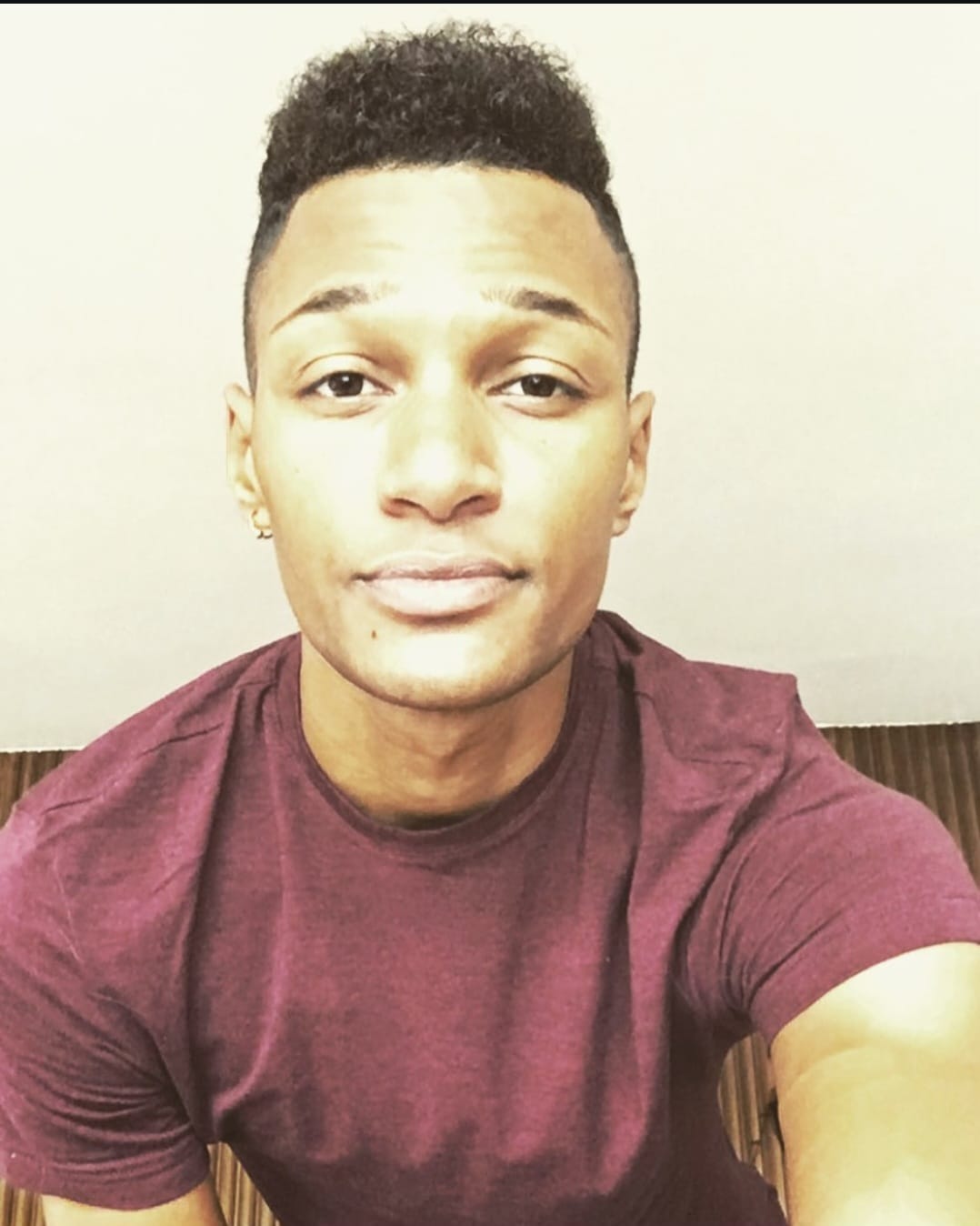
Jonathan. Credit: handout.
Public transport brings subtler adjustments. Lonbois said that when he is on the bus, he becomes conscious of whether he crosses his legs and whether he is wearing his flower rings. “My vigilance is up," he said.
Let alone public displays of affection. “Almost nowhere, I'm afraid," he said. "Maybe in Bois de la Cambre on a Sunday walk?"
"No, I don't really do public displays of affection, but people who want to have every right to," he said. "The context can also affect how comfortable you feel showing affection. If there's more alcohol around, I'll be more careful about being demonstrative."
These calculations can appear almost trivial from the outside: whether to cross your legs on a bus, wear a particular ring, hold your partner's hand, cycle home in the clothes you chose for a night out, or take an Uber instead.
Taken together, however, they reveal another map of Brussels, one drawn not around streets and transport connections, but around where people feel able to be themselves.
That is also why Van Vessem's research looks beyond recorded assaults. Violence doesn't have to happen on every journey to shape how someone moves through a city. Sometimes the possibility of it is enough.
For some queer Brussels residents, getting from A to B therefore involves a calculation many other travellers never have to make: not simply which route is quickest, but where they can walk, what they can wear and how much of themselves they feel safe showing along the way.
