
The EU’s network of trade agreements is helping European companies sell more abroad and secure supplies of key imports.
The EU had 44 “preferential” trade agreements — deals that give more favourable trading terms such as lower tariffs — with 76 countries by the end of 2025, covering 46.3% of the bloc’s external trade, the European Commission announced on Monday.
Trade in goods with those partner countries grew by 3.1% in 2025, compared with 1.4% growth in the EU’s total goods trade with other non-EU countries.
Agri-food exports to countries with an EU trade agreement rose by 4.6% in 2025, while agri-food exports to countries without such deals fell by 3.6%.
The EU’s interim trade agreement with Chile, which entered into force on 1 February 2025, was cited as an example, with bilateral trade totalling €20.8 billion in the first 11 months and up 3% year on year.
EU exports to Chile of machinery and appliances rose by 9%, chemical products by 8%, and optical and photographic instruments by 17%.
The Commission also reported that it worked with member states and businesses to remove 20 trade barriers fully or partially in 14 partner countries during 2025.
Raw materials and energy imports
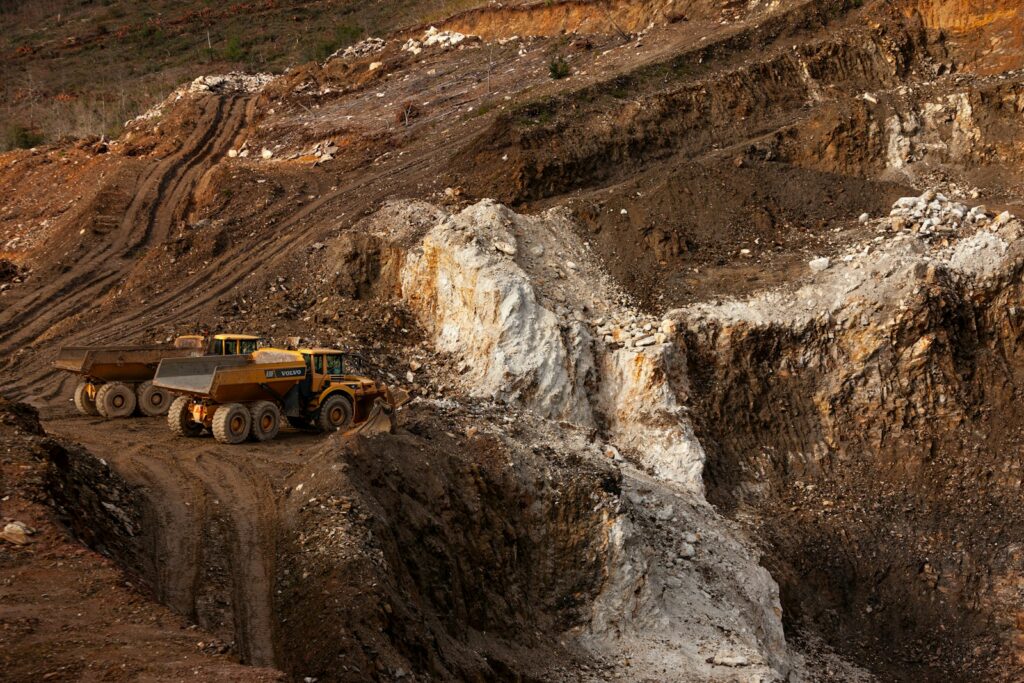
Preferential trade partners accounted for about a quarter of the EU’s imports of “critical raw materials” — inputs considered essential for industry — according to the Commission.
Imports of critical raw materials from Canada rose by 62% in value terms between 2024 and 2025 to €3.3 billion.
Imports of mineral products from Canada increased by 14% over the same period to €6.1 billion, and more than a quarter of the EU’s mineral product imports now come from Canada.
Since the Chile agreement took effect, EU imports of mineral products have grown by 33%.
Over the period covered by the report, EU goods exports to free trade agreement partners increased by €250 billion, while exports of goods to Russia fell by €54.5 billion.
The EU “currently” has 45 trade agreements covering 81 preferential trade partners.
The Commission said deals were concluded in 2025 and the first half of 2026 with Mercosur, Mexico, Indonesia, India, Australia, and Comoros, Madagascar, Mauritius and Seychelles, with the Mercosur agreement provisionally in force since 1 May 2026.
Trade and Economic Security Commissioner Maroš Šefčovič stated that the EU was “actively expanding” its network of trade agreements and that the bloc had 45 trade agreements in place with 81 countries.
