
As summer has officially turned into autumn, a series of changes to rules and measures are coming into force in Belgium this October.
From bringing your ID to the dentist, to getting renovation support and revoking offensive licence plates, the latest changes and how they will impact people can be found here.
Offensive number plates
Until now, there has been no legal basis for Belgium’s Vehicle Registration Service (DIV) to revoke offensive personalised number plates of its own accord: the only thing they could do was approach the owner in the hope that they would voluntarily agree to a replacement.
However, from now on, they will be able to cancel a number plate if it "is considered offensive, is contrary to public order or public decency, or refers to war crimes, armed conflicts, violence, or any content that is racist, sexist, Holocaust-denying or homophobic, or incites violence, racial segregation, hatred or discrimination." This applies even if the message is "hidden or veiled.'
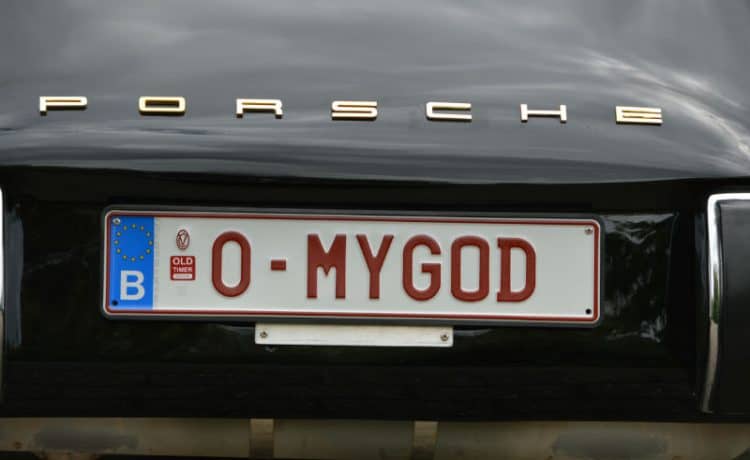
Requesting personalised licence plates in Belgium has been possible since 2014. Credit: Gepersonaliseerde Nummerplaten/Facebook
Before the DIV proceeds with such a cancellation, the service will contact the owner and offer a replacement free of charge. The owner then has 30 days to respond and put forward arguments. In the event of refusal, disagreement or failure to respond, the DIV can proceed with the cancellation.
Within 30 days, the owner can still lodge an appeal against the measure. In that case, the issue will be referred to the Federal Mobility Minister, who must make a decision within 30 days. If the registration number is ultimately revoked, a free replacement will no longer be possible.
Prison overcrowding
The emergency measures introduced by Federal Justice Minister Annelies Verlinden (CD&V) to tackle prison overcrowding will come into force. These include, for example, the automatic fitting of electronic tagging to certain categories of convicted prisoners.
To tackle the problem of the large number of prisoners sleeping on the floor in Belgian prisons, those with sentences of up to 18 months will automatically be fitted with an ankle monitor until the end of 2028. High-risk categories are excluded from this measure.
Each case will be submitted to a sentencing judge or court for review, although this review will only take place retrospectively.
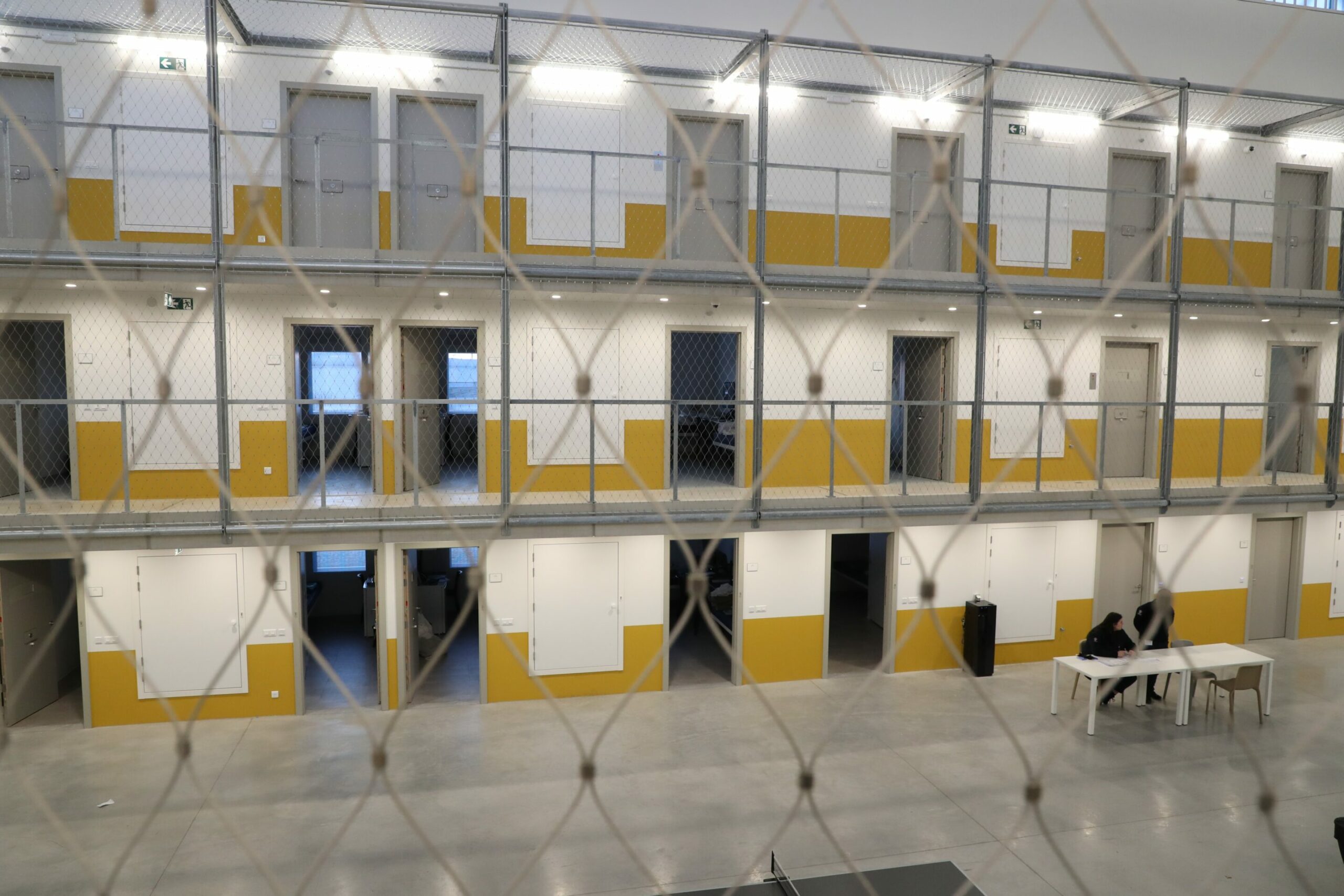
Prison in Dendermonde, Saturday 11 March 2023. Credit: Belg/Nicolas Maeterlinck
An accelerated deportation process for convicted offenders without the right of residence in Belgium will also come into force. The time frame for deportation without the intervention of the sentencing judge, for example, will be extended to 12 months before the end of the sentence.
A temporary emergency measure will also be introduced for convicted offenders serving sentences of up to three years. From now on, they will be eligible for deportation after serving just one third of their sentence.
At the same time, early release due to overcrowding is being extended until the end of 2027, but will be limited to convicts with a total sentence of no more than three years.
Age limit for self-employed students
From now on, self-employed students will be able to retain this status even after their 25th birthday. Previously, they automatically received the regular ‘self-employed’ status after turning 25, losing several benefits associated with the student status.
Now, these self-employed students will be able to complete their studies while retaining their student status.

Illustration picture shows students during a lecture at a university college in Brussels. Credit: Belga/Siska Gremmelprez
Additionally, the declaration on honour that had to be submitted at the start of the school or academic year is being abolished. Verification of attendance is carried out retrospectively on the basis of results lists.
Students will also be able to retain their status during the term in which they obtain their degree, even if they do not meet the study requirement for the entire term. The new rules also clarify that students enrolled for fewer than 27 credits (or 17 teaching hours) but are preparing a dissertation can retain their status.
Energy-related measures
No more 'cheat discounts' on energy contracts
Energy suppliers in Belgium will no longer be permitted to offer so-called “cheat discounts” – substantial welcome discounts on electricity and natural gas contracts which often come with strict conditions – on energy contracts.
As these discounts are factored into price comparison tools, those contracts often incorrectly come out on top in comparisons.
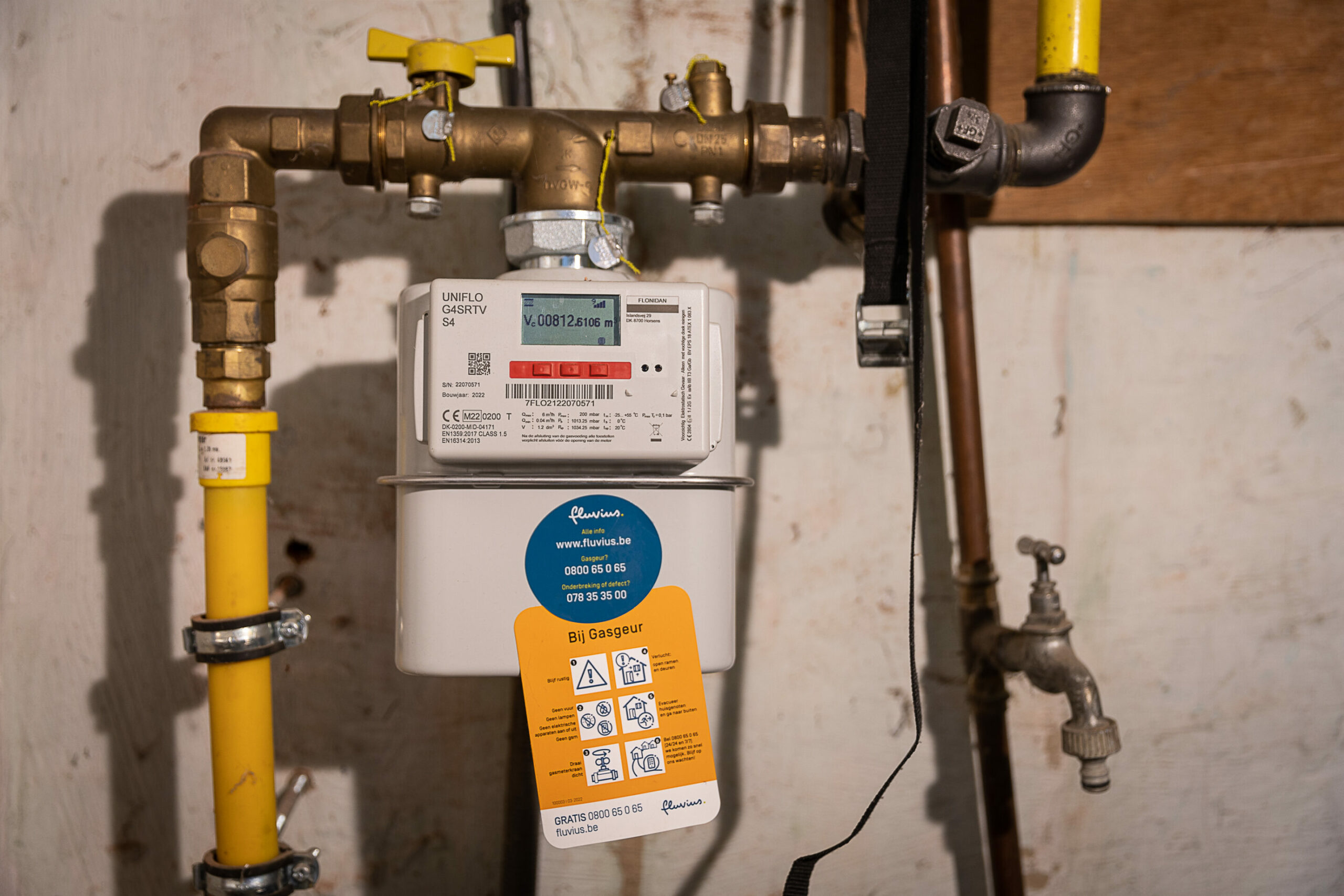
Illustrative photo of a smart gas meter in Ghent. A reminder that Europe’s green transition affects every household. Credit: Belga
From now on, discounts must apply from the very first kilowatt-hour and remain in force for the entire duration of the contract.
Additionally, suppliers of natural gas and electricity will also no longer be permitted to change the pricing terms of a particular product for new contracts in the middle of the month while retaining the same product name. Should the pricing terms change, so too should the name of the product.
Rise in social tariffs for electricity and gas
The social tariffs for the fourth quarter of the year, which will apply from 1 October until 31 December, will rise by 11.4% for gas and heating. As for electricity, these prices will rise by an average of 7% for two-tier night-time and night-only tariffs, according to the Electricity and Gas Regulatory Commission (CREG).
The social tariff is a significantly reduced tariff for electricity, natural gas and heating, and is granted to households who receive certain benefits or allowances.
These two tariffs had to be capped to ensure the increase did not exceed 10%. Without a cap, tariffs for heating and natural gas would have jumped by 43.7% compared with the third quarter, and by as much as 61.2% compared with the average of the previous four quarters.
Brussels introduces a rotation tariff for charging points
In the Brussels-Capital Region, a rotation tariff for the use of public charging points for electric vehicles is coming into force. The aim is to discourage “charging point hogs” who leave their already charged vehicles connected to a charging point for hours on end.
The charge is 6 cents per minute for vehicles that remain connected to a charging point for more than six hours between 09:00 and 22:00.
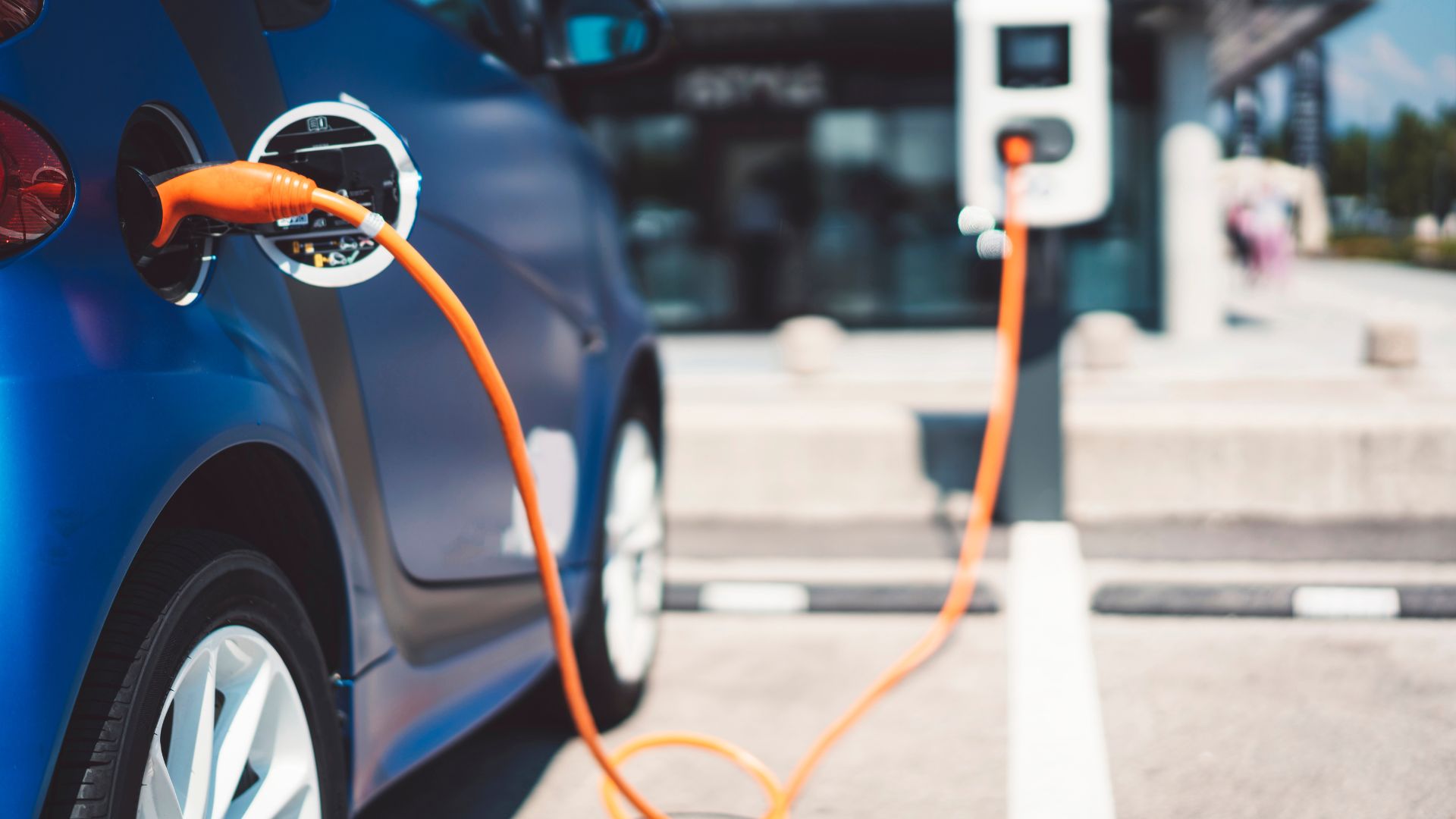
An electric car charging. Credit: Canva
Health-related measures
Cystic fibrosis drug Alyftrek now reimbursed
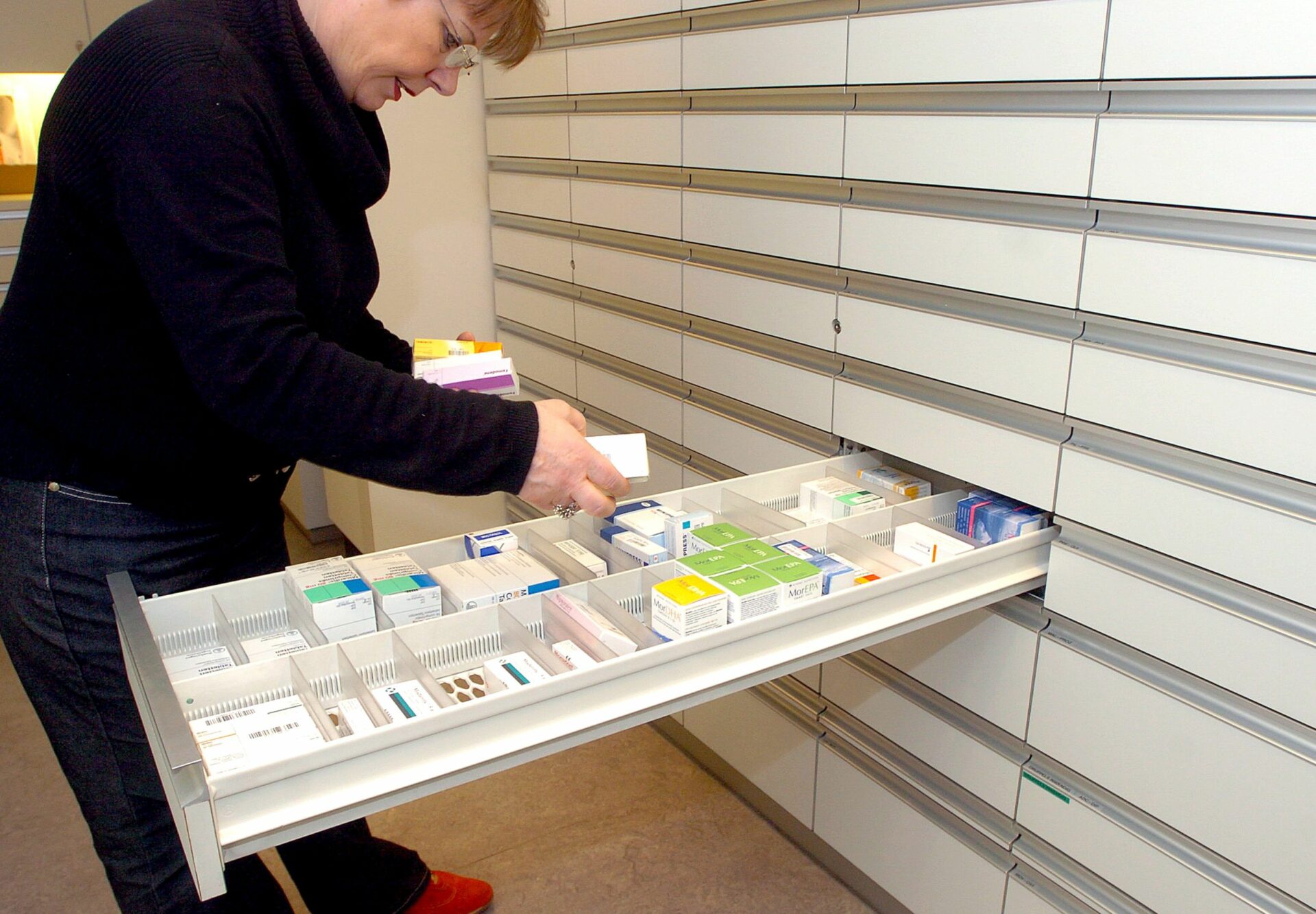
The medicine Alyftrek will be reimbursed for patients aged six and over with cystic fibrosis. For the first time, patients with rarer genetic mutations will also have access to a reimbursed treatment.
Cystic fibrosis is a serious hereditary condition caused by abnormalities in the Cystic Fibrosis Transmembrane Conductance Regulator (CFTR) gene. As a result, the CFTR protein does not function, or functions inadequately, leading to thick mucus, recurrent respiratory tract infections, progressive lung damage and problems with, among other things, digestion and the liver.
Alyftrek belongs to the class of CFTR modulators, medicines that act directly on the defective protein underlying the disease. The medicine combines three active ingredients and is taken once a day, compared with twice a day for the existing combination of Kaftrio and Kalydeco.
Credit: Belga/Herwig Vergult
Reimbursement applies to patients with the common F508del mutation, which accounts for around 85% of cystic fibrosis patients, and to patients with certain rarer mutations other than F508del. Until now, a CFTR modulator had not been reimbursed for the latter group.
As there is greater uncertainty regarding efficacy in cases of rare mutations, this group will begin with a 12-week trial treatment. Reimbursement will only continue if clinical improvement is demonstrated.
In Belgium, there are 1,397 known people with cystic fibrosis, of whom approximately 1,010 currently have access to Kaftrio.
Identity card for dental appointments
From now on, anyone visiting the dentist should ensure they have their identity card to hand, as dentists will be obliged to verify their patients’ identities when using the electronic third-party payment scheme, under which the patient pays only their share of the cost.
For adults, this means the Belgian electronic identity card (eID) or electronic foreigner’s card; for children, the Kids-ID or ISI+ card.
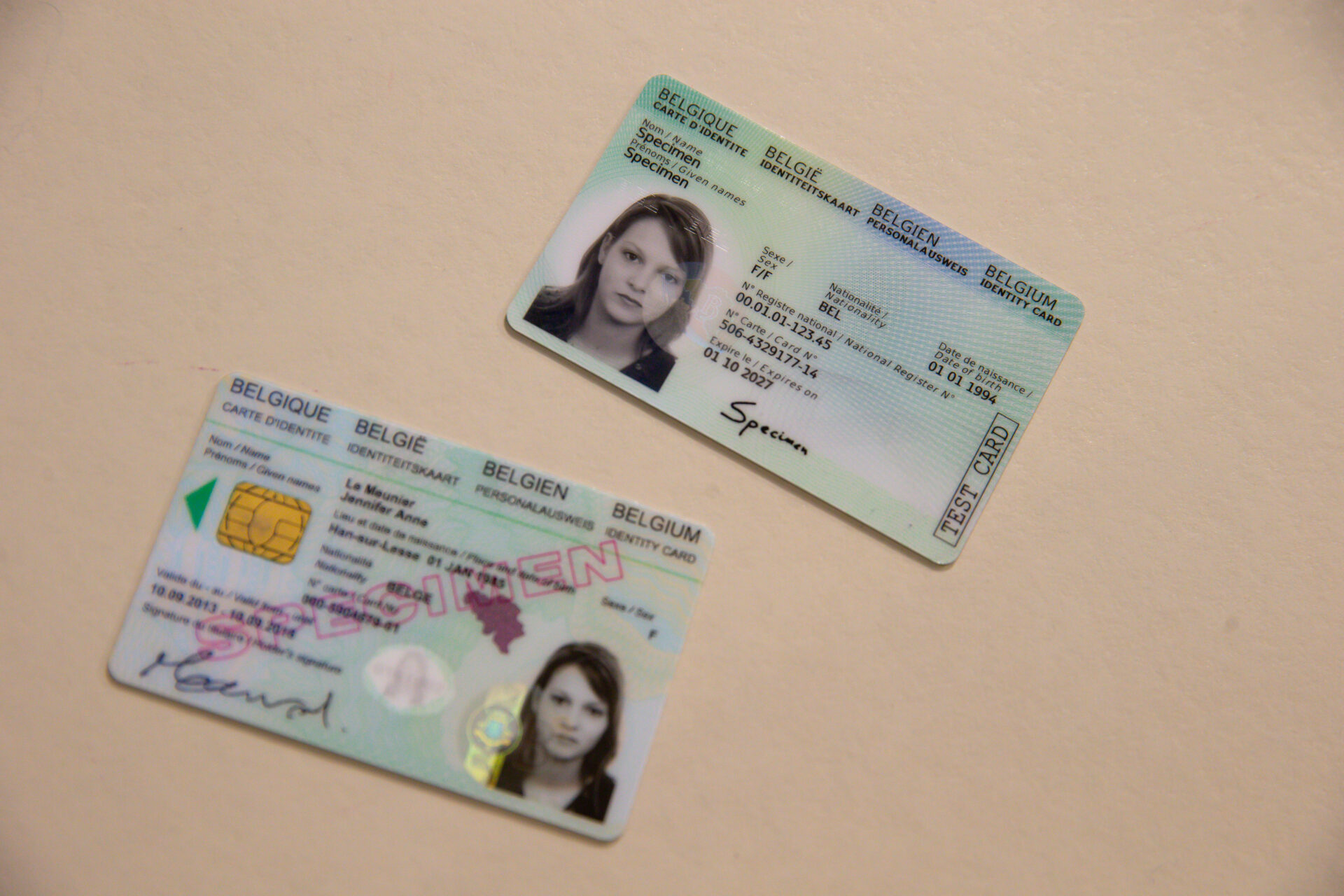
Credit: Nicolas Maeterlinck/Belga
If the patient does not have their identity card with them at the appointment, the dentist can still verify the patient’s identity in other ways, such as using a sticker from the health insurance fund.
Having your identity card to hand during a visit to the dentist has “numerous advantages,” according to the National Institute for Health and Disability Insurance (NIHDI).
Nurses and hospitals have long been required to verify their patients’ identities when using the electronic third-party payment system.
Walloon renovation support
In Wallonia, the new scheme for renovation support is coming into force. The support measures will take the form of loans tailored to the applicants’ income and the energy savings that the works will deliver.
With the aim of helping them achieve a “label upgrade,” the support is meant for the least energy-efficient homes - homes with an EPC rating of G or F where the planned works will result in at least a D rating, and homes with an E rating aiming for at least a C rating.
The new scheme is based on two existing Walloon interest-free or low-interest loans: the Rénopack and the Rénoprêt.
