
Belgium is preparing new rules that would allow people with dementia to request euthanasia in advance before lose the capacity to make that decision themselves.
The federal government already agreed that euthanasia rules should be extended to people who lose the ability to make decisions because of dementia in 2024. However, the exact conditions continue to be determined.
Justice Minister Annelies Verlinden (CD&V) prepared the first legal texts during the summer and sent them to Health Minister Frank Vandenbroucke (Vooruit), De Standaard reported on Wednesday. His cabinet will now look at the medical side of the proposal.
Under the proposal, a person could write an advanced declaration while they are still capable to make their own decisions. In it, they could describe the situation in which they would want euthanasia to become an option.
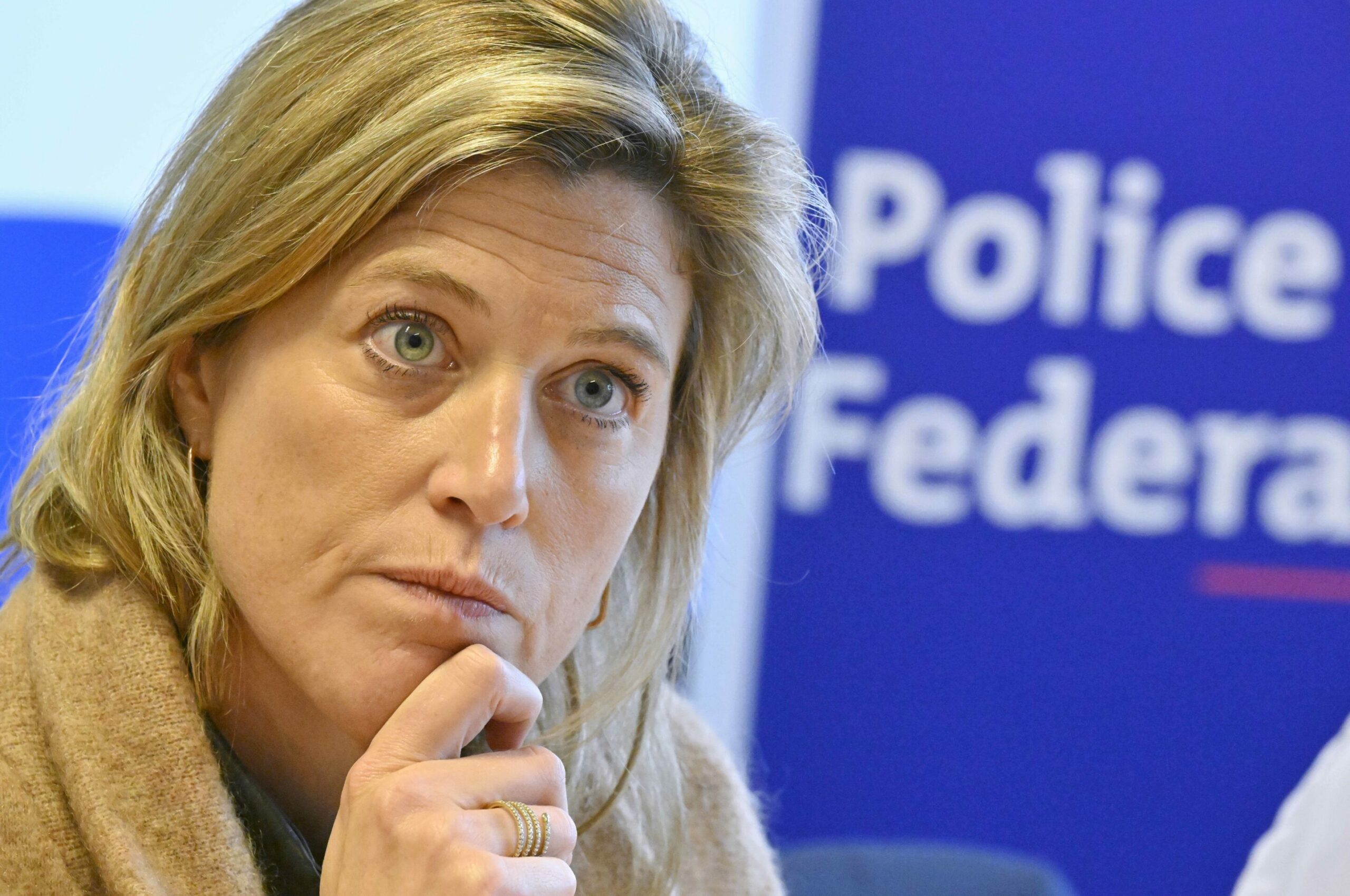
Justice Minister Annelies Verlinden. Credit: Belga/ Eric Lalmand
For example, someone could state that they would request euthenasia if their dementia reaches the point where they could no longer recognise their own children.
However, the written declaration alone would not be enough. The person would also follow a care plan with doctors, relatives or someone they trust. Their health, treatment and wishes would be discussed during this process. Palliative care would also have to be considered.
Related News
- Man claimed he was made to 'say goodbye too soon' because Belgium's euthanasia laws are outdated
- A Belgian pope, or a return to Italy? Conclave to elect next pontiff begins in Vatican
One of the most difficult questions is what happens if the person later appears to change their mind?
Christian Democrats want the patient's wishes at that moment to be respected. If a person with advanced dementia says they do not want euthanasia or shows signs of resisting it, doctors would not go ahead simply because of the earlier declaration.
This would be the case even if the person reaches the stage of dementia described in their declaration and their relatives believed that euthanasia was what they had wanted.
Instead, doctors and other specialists would have to discuss the case again. Invited on the Flemish programme De Afspraak, CD&V president Sammy Mahdi said no doctor would want to perform euthanasia on someone who appeared to be refusing it.
Geriatrician and palliative care doctor Nele Van Den Noortgate of Ghent University Hospital told De Standaard that surveys show 80% of doctors would not want to perform euthanasia in such circumstances.
The issue is also creating debate within the federal government. Vooruit wants people who write an advance declaration to have confidence that their wishes will be respected if they later develop dementia. CD&V says the earlier declaration is important, but that the patient's behaviour and wishes later in life must also be taken into account.
Medical and euthanasia experts could now be asked for their views before the government begins political discussions on the final rules.
