
The European Commission has launched and escalated a series of legal steps against EU countries over alleged failures to apply EU rules, including referrals to the bloc’s top court over landfill waste in Greece and Cyprus and industrial safety inspections in Finland.
The Commission informed on Thursday that it is taking action through its regular “infringements package”, a process used when member states are judged not to have met obligations under EU law.
Among the highest-profile moves, Greece and Cyprus are being referred to the Court of Justice of the European Union over alleged failures to correctly apply EU rules on landfilling and waste treatment.
Problems identified in Greece relate to shortcomings at 84 landfills, with 66 of the remaining 81 sites found to be non-compliant, it added.
In Cyprus, 21% of the waste produced is landfilled without prior treatment.
Finland is also being sent to the EU court for failing to align national rules with the Seveso III Directive — EU legislation aimed at preventing major industrial accidents involving dangerous substances.
The Commission cited issues including inspections, public access to information and access to justice under Finnish rules.
Wastewater, dolphins and port rules also in focus
Sweden has been sent a “reasoned opinion” — a formal step warning of possible court action — over alleged failures to implement parts of EU rules on urban waste water treatment, the Commission said.
The body said Sweden had not put in place technical standards for wastewater collection systems, including measures to prevent leaks and limit pollution from storm water overflows.
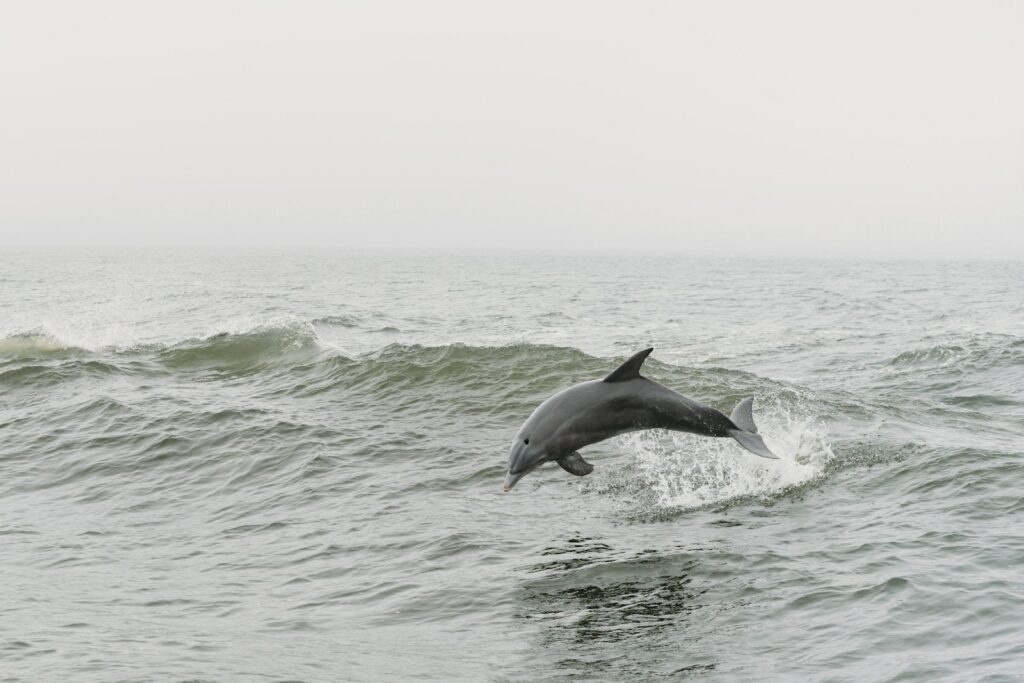
Portugal received a reasoned opinion over alleged failures to monitor and prevent the bycatch of cetaceans — the accidental capture of non-target species — in fishing activities.
The Commission said Portugal had not established an effective monitoring system for bycatch affecting species such as the bottlenose dolphin, common dolphin and harbour porpoise.
Spain, France and Italy were also sent reasoned opinions over requirements for towage and mooring vessels in their ports to fly national flags.
The Commission said EU rules allow member states to enforce social and labour laws in ports regardless of a vessel’s flag, and any flag requirement should be defined as a flag of any EU member state rather than a single national flag.
The Commission noted that member states typically have two months to respond to letters of formal notice or reasoned opinions, and some cases can be referred to the Court of Justice if concerns are not addressed.
It also said it is closing 87 cases where it considers the issues have been resolved.
