
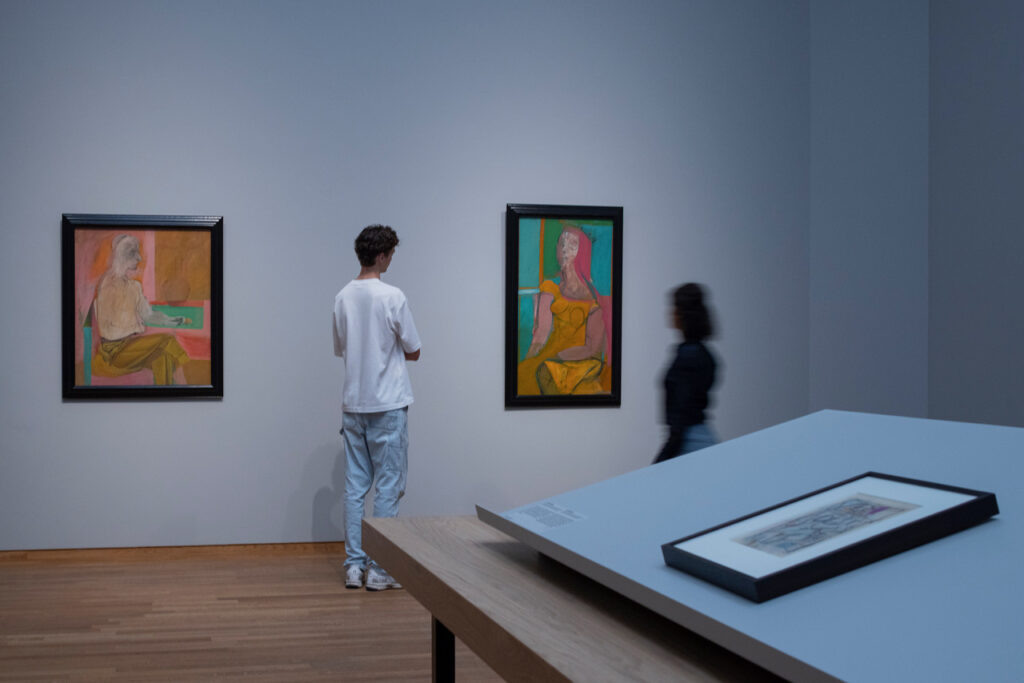
Willem de Kooning helped revolutionise modern art in New York, but his extraordinary paintings owe more than might be expected to the artistic traditions of the Low Countries – including the wonderfully strange world of Flemish master Pieter Bruegel the Elder.
That connection emerges in a major new exhibition at Amsterdam’s Rijksmuseum, which brings together more than 120 works by the Dutch-American artist, including drawings, paintings and sculptures. It is Europe’s largest De Kooning exhibition in more than 40 years.
Born in Rotterdam in 1904, De Kooning stowed away on a ship to America in 1926, eventually becoming a leading figure of Abstract Expressionism alongside Jackson Pollock and Mark Rothko.
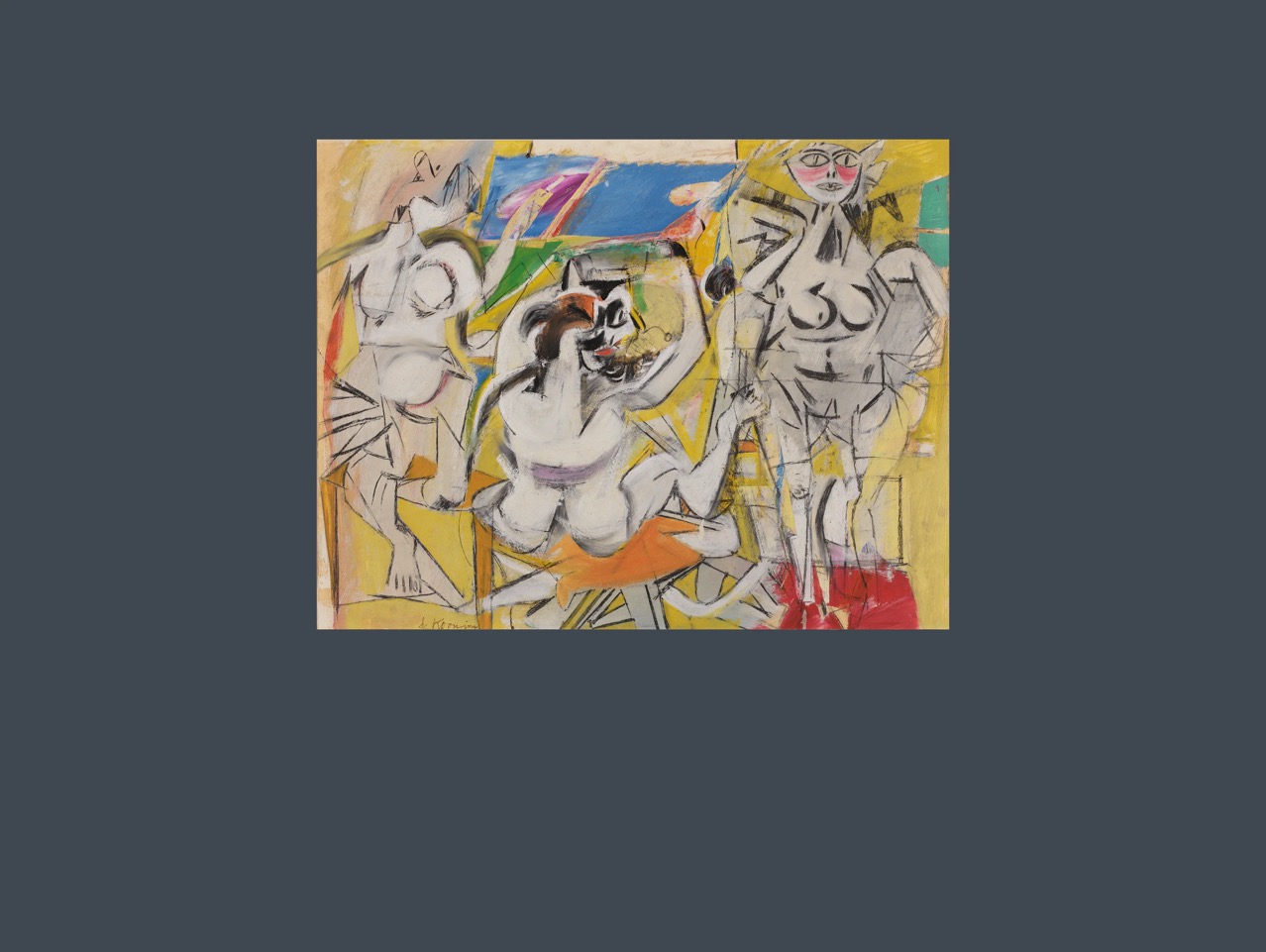
Yet his artistic roots remained firmly European. Rijksmuseum director Taco Dibbits points to De Kooning’s fascination with the grotesque, a quality familiar from Bruegel’s crowded, often bizarre compositions.
“Like Bruegel, he saw the grotesque as quite important,” Dibbits told The Brussels Times. “He deliberately looks for things that are a bit odd, a bit weird, not too pleasing to look at, but sometimes funny, sometimes almost violent.”
Credit: Rijksmuseum
The show, Willem de Kooning at work, concentrates particularly on drawing, revealing the painstaking craftsmanship beneath paintings that can appear wildly spontaneous.
One astonishing charcoal still life, completed when De Kooning was just 15, took hundreds of hours. His rigorous training in Rotterdam gave him the technical mastery he would spend decades challenging.
Dibbits describes his mature technique as “controlled spontaneity”, while curator Marian Cousijn shows how he repeatedly traced, erased, transferred and reworked images, sometimes drawing with his eyes closed.
De Kooning also refused to choose between abstraction and the human figure. His monumental Excavation (1950) seems an explosion of abstract shapes, yet closer inspection reveals faces, limbs and fragments of bodies.
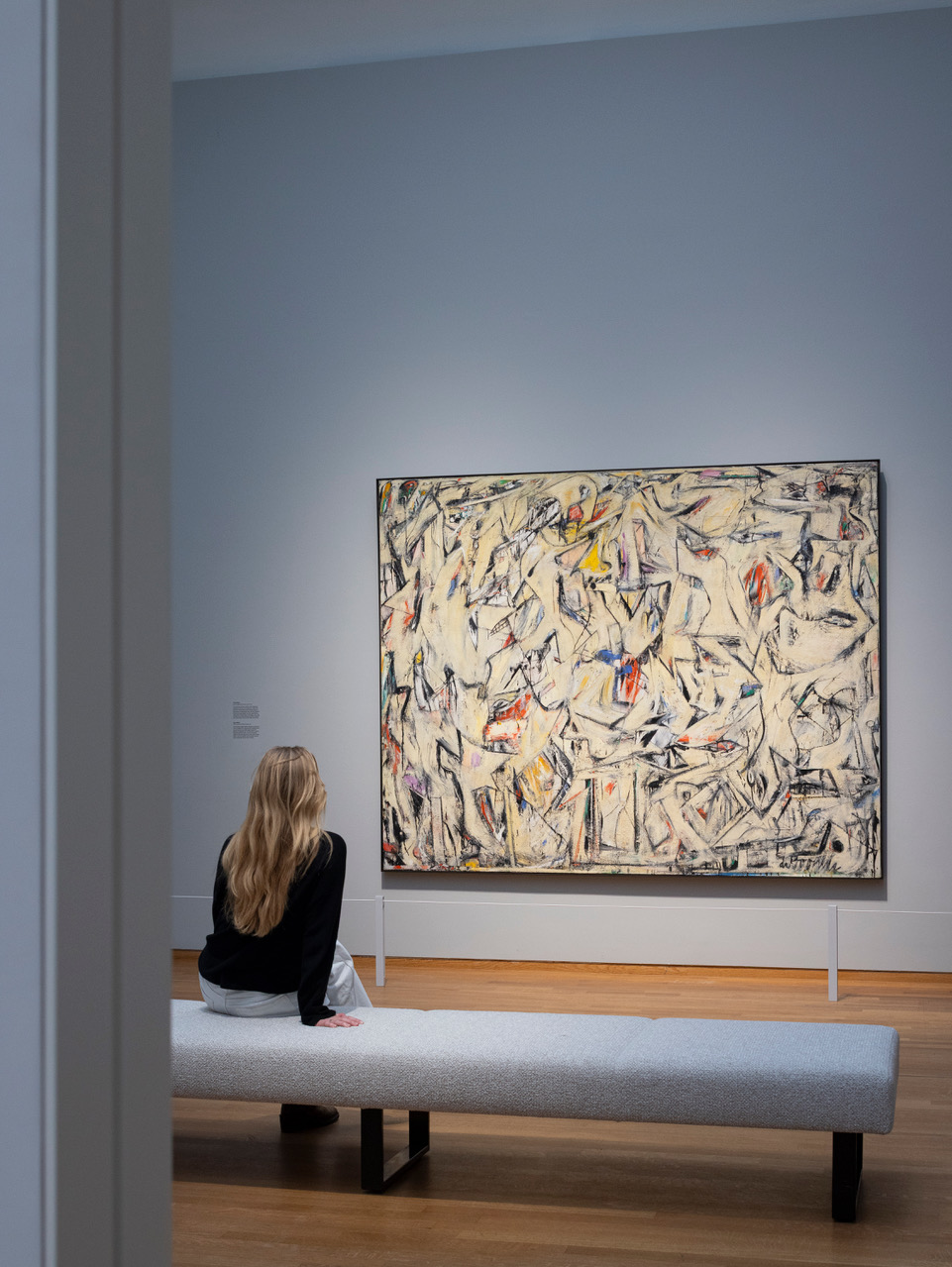
'Excavation'. Credit: Rijksmuseum
Two celebrated paintings, Woman I and Woman and Bicycle, are displayed separately in the Rijksmuseum’s Gallery of Honour, alongside the Dutch Golden Age masters, including Rembrandt.
A century after leaving the Netherlands, De Kooning has returned to the artistic company that helped shape him. The exhibition makes a compelling case that his revolutionary American art never entirely left Europe behind.
Willem de Kooning at work, Rijksmuseum, Amsterdam, 9 October 2026–17 January 2027.
