
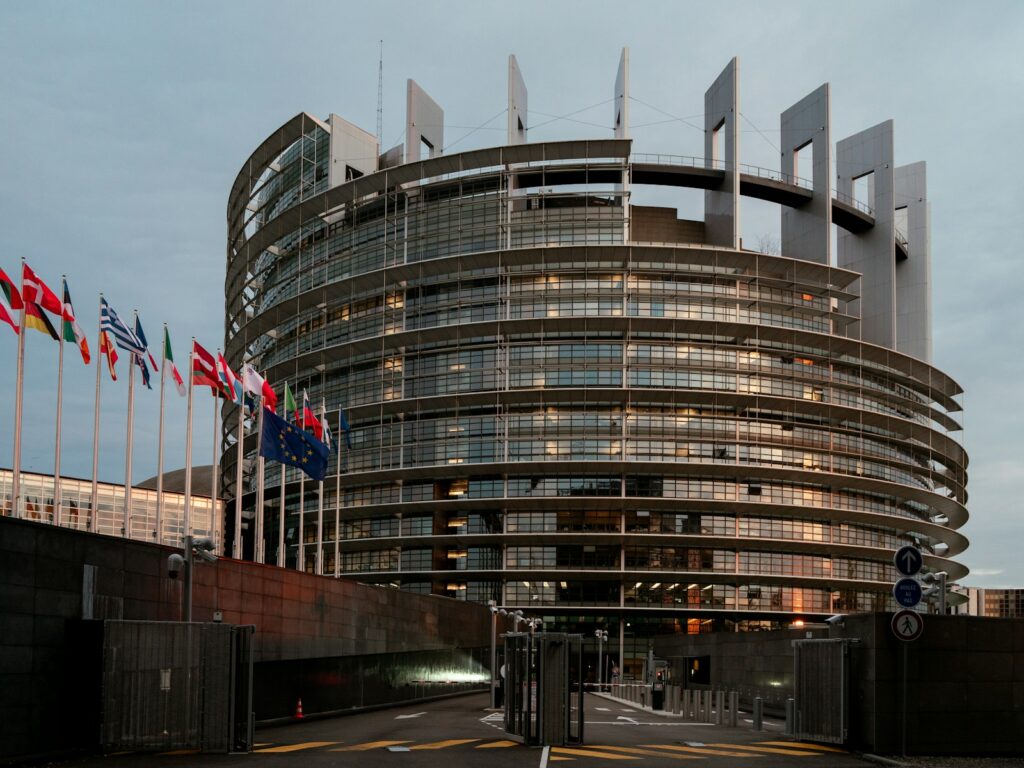
Lead negotiators in the European Parliament have rejected an Irish Presidency “negotiating box” for the EU’s next long-term budget, saying the draft would cut spending below the European Commission’s proposal and fails to address new EU revenue sources.
The statement was issued by Siegfried Mureșan and Carla Tavares, Parliament’s lead co-rapporteurs for the next Multiannual Financial Framework (MFF) — the EU’s seven-year budget plan — alongside own-resources co-rapporteurs Danuše Nerudová and Sandra Gómez López, the Parliament informed on Saturday.
Mureșan stated that the Irish Presidency’s text “cannot be the starting point for an agreement”, citing an 8% cut compared with the Commission’s proposal, which he said already only keeps the budget at the level of the current period.
National budgets have grown in recent years while the EU budget has not kept pace, and around 10% of the EU budget’s purchasing power has been lost due to high inflation, he added.
Tavares said the negotiating box includes a 12.8% cut to competitiveness and a 17.4% cut to “external action” compared with the Commission’s proposal.
Dispute over “own resources”
Nerudová said the Presidency had “refused to take any decision on the revenue side”, proposing only minor adjustments, and said none of Parliament’s proposals were taken on board.
Gómez López said “without progress in own resources there is no MFF”, referring to “own resources” — EU-level revenues that help fund the budget alongside national contributions.
The Parliament noted that the Irish Presidency proposal, together with the latest gross national income forecasts, would bring the overall size of the EU budget to 1.02% of EU GNI, excluding repayments linked to the NextGenerationEU recovery fund.
It also said the proposal would increase the budget by €356 billion compared with the current MFF, but argued this would not compensate for inflation and economic growth, noting that €150 billion of the increase would be needed to cover NextGenerationEU repayment costs.
Under the EU process, adopting the long-term budget requires unanimous agreement in the Council — where member states negotiate — and the consent of the European Parliament by an absolute majority of MEPs.
