

Between now and the end of the year, Europe’s leaders will be making key decisions on funding priorities like global health.
Many people think 'global health' is something that helps people in faraway countries—and that spending less won’t affect the EU. They are wrong.
Global health is an apt term because it encompasses health innovations that work for everyone. Yes, there are some diseases like malaria that overwhelmingly affect people in low-income countries. However, the diseases that do the most damage in Germany and Italy, like cancer and heart disease, are also the biggest killers in Ghana and Indonesia.
The same is true for maternal and child health, the area I’ve spent my career working on—in Pakistan, and in the United States.
Postpartum hemorrhage, preeclampsia, anemia, and preterm birth—all major contributors to maternal and neonatal mortality—are country agnostic. The difference is that mothers and children in poorer countries face greater barriers to quality care: fewer hospitals and clinicians and less access to cutting-edge equipment and effective medicines.
For European researchers working on global health, these constraints are a forcing mechanism to get creative: Solve for the same problem but make the solution more affordable and easier to deliver. The result is a pipeline of health innovations that would never be invented just for Europe but that benefit people in Europe and developing countries alike.
The EU’s estimated €3.5 billion investment in neglected disease research between 1994 and 2040 alone, for example, is projected to generate €12.8 billion in economic activity and support around 6,600 jobs across member states, according to Impact Global Health.
War on the continent and other competing priorities mean budgets are under renewed strain. Still, Europe has spent decades building the R&D, clinical trials, regulation, and manufacturing infrastructure to deliver global scientific breakthroughs.
Since 2003, the EU’s clinical trial partnership with Africa has been delivering results in areas from HIV to maternal and child health. Every cut made now not only costs lives and slows innovation; it squanders the comparative advantage Europe has been painstakingly building for decades.
Saving premature babies
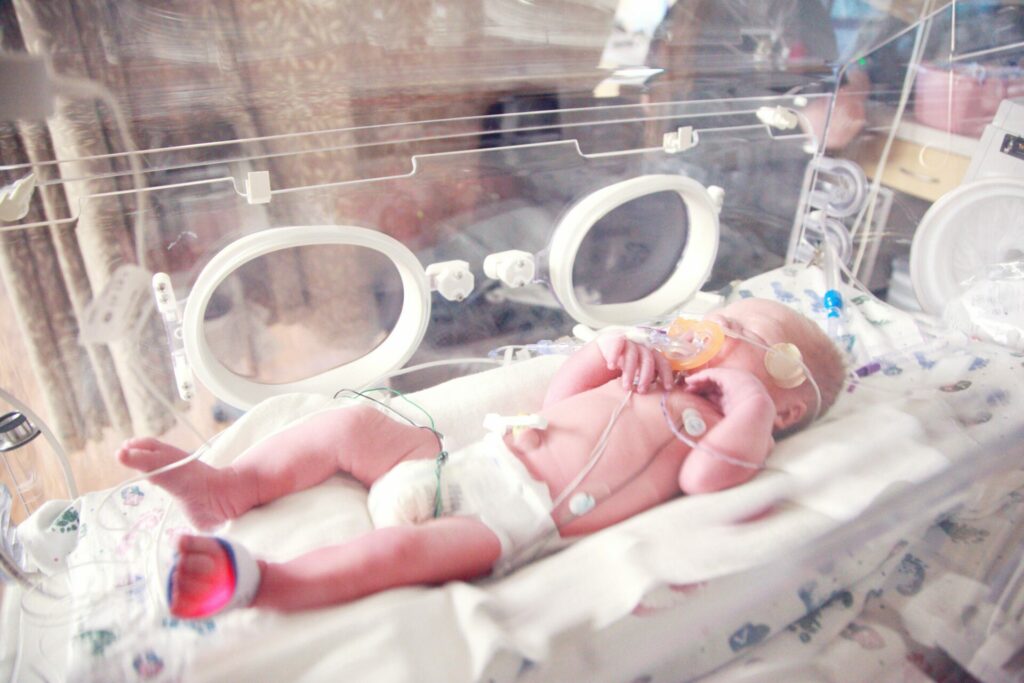
Consider premature babies with respiratory distress syndrome, a leading cause of neonatal death around the world. They struggle to breathe because they are born before producing enough surfactant, the slippery substance that keeps the air sacs in the lungs open.
When I worked at Boston Children’s Hospital in the 1990s, surfactant replacement therapy became widely available in the U.S. and Europe. I would intubate a baby, then deliver surfactant through the breathing tube. Weeks later, most went home with their parents.
But that lifeline was unavailable in Karachi, Pakistan, and in many other low-and middle-income countries. The treatment was too expensive, and we lacked the equipment or specialists to administer it. I lost count how many times I had to deliver the worst news a parent could ever hear: I could not save your precious baby—and it was because we lacked the right medicine. 30 years later, little has changed.
Now, for example, a European company has developed an aerosolised surfactant for global use through non-invasive nasal breathing support, potentially replacing an invasive, complex treatment with a simpler one. If clinical trials confirm its benefits, nurses could administer the treatment without intubation or mechanical ventilation, potentially lowering costs and transforming neonatal care.
Although designed for resource constrained hospitals in low-income countries, the solution should also benefit Europe. It’s less invasive and more affordable, easing staffing and financial pressure on healthcare systems. And when European-led health innovations get adopted around the world, it strengthens the continent’s biomedical sector and grows Europe’s economy.
New birth control options
Consider the groundbreaking R&D on contraceptive delivery systems being pioneered by researchers in Germany, Wales, and the Netherlands. Every woman deserves the freedom to decide whether and when to have children.
But ask any woman from Belgium to Burundi what she thinks about her birth control options, and she’ll tell you she’s not happy with them. Existing methods can require strict dosing schedules, cause unwanted side effects, or involve painful procedures. In fact, tens of millions of women in the world discontinue using modern contraception, usually because of side effects or health concerns.
European researchers focused on solving for some of the challenges in low-income countries are developing microarray contraceptive patches that women can apply themselves, just as easy as putting a bandage on a scrape. These patches use hundreds of microscopic needles to release contraceptive hormones beneath the skin and offer protection for up to six months.
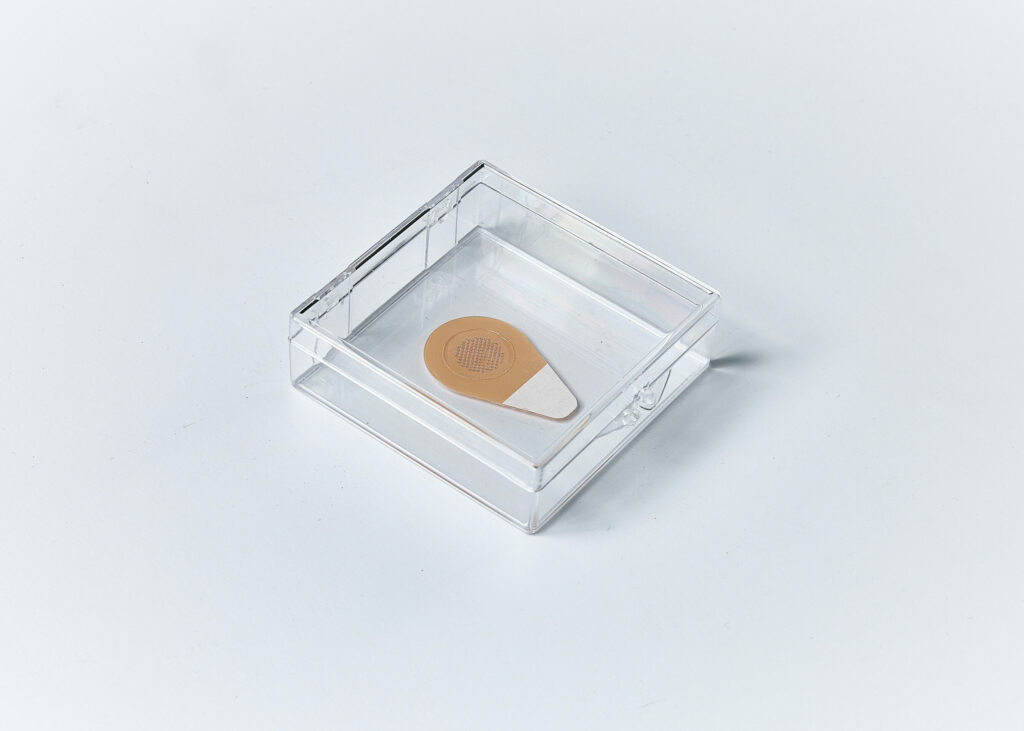
A microneedle contraceptive patch designed to offer women a simpler, self-administered birth control option. Credit: Gates Foundation
It’s not hard to imagine how this patch would be just as appealing to women in higher-income countries as those in developing ones for whom the patch was made.
We’ve made immense progress on global maternal and child mortality. Since 2000, child mortality has dropped by more than half while maternal deaths fell by 40%. The vast majority of those lives saved were in lower-income countries, but the process of saving them has also revolutionized maternal and newborn care in higher-income countries.
Europe can accelerate this progress for mothers and children around the world while delivering scientific, economic, and health benefits at home. But it can only do so if it understands that global health is not something that happens 'over there' and that can be cut painlessly. Global health is everyone’s health, and we all need to invest in it.
