
Almost 1,000 recovery care places in Flanders are at risk because of stricter rules for recovery stay centres, prompting the Flemish Christian Democrats (CD&V) to call for a lasting solution and looser minimum capacity requirements.
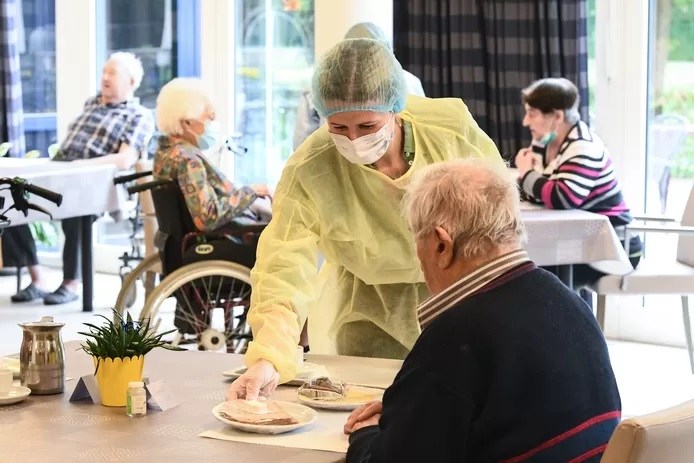
Recovery stay centres are used by people who are not yet well enough to return home after a hospital admission, operation or serious illness. They are used mainly by older people, who can stay there temporarily while receiving support and rehabilitation.
Some recovery stay centres operate independently, but in practice many are care homes that also offer recovery stay units.
Related News
- Sanofi pledges transparency as EU investigates flu vaccine messaging dispute
- Belgium urged to strengthen insurance protections for people with HIV
- Quarter of Belgian medical vacancies are filled in by foreign-educated workers
In the past, these centres only had to be registered with the authorities. Since 1 January 2019, however, formal recognition by the Flemish government has been compulsory.
That recognition comes with quality standards for staffing and infrastructure.
The main obstacle is a capacity rule requiring centres to have at least 60 units at each site, or at least 30 units if they operate as a functional unit with a hospital or care home.
CD&V said that requirement is so strict that nearly 1,000 units could disappear.
Flemish MP Katrien Schryvers of CD&V said a sustainable solution was needed. She warned that losing the places would be irresponsible at a time when care needs are continuing to rise, especially in centres that are demonstrably delivering high-quality care and functioning well.
The party is proposing that the minimum requirement of 30 units be scrapped for centres that form a functional unit with a care home.
It also wants centres to be allowed to convert recovery stay units into places in care homes or into short-stay type 1 places, which are temporary residential places for people aged 65 and over.
