
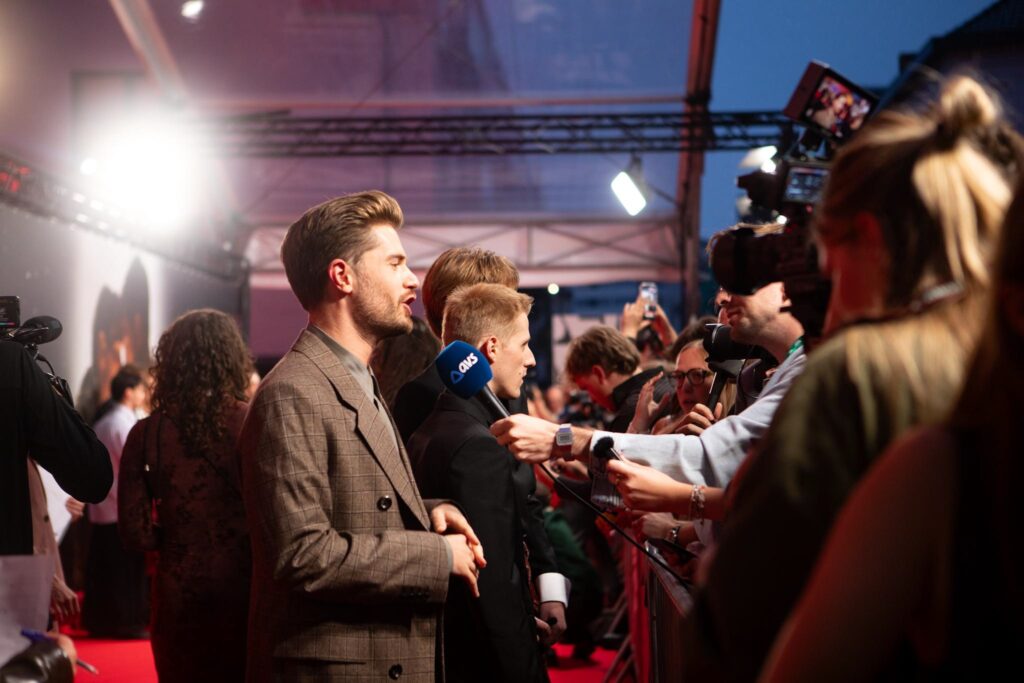
Every October, Ghent hosts the International Film Fest Gent that spans across the city. With two Belgian war films headlining the festival, it tries to grasp when war becomes a pivotal part of art.
This year marked the 53rd edition of the festival, which is the largest edition to date. The event, which ran from 7 to 18 October, serves as the backdrop for a collection of over 100 feature films, 40 short films, two VR projects and 23 documentaries from over 49 countries.
'War in times of art'
The 11-day festival opened with Belgium’s recently selected submission for the Oscars, Coward by Lukas Dhont, and closed with Le Faux Soir by Michaël R. Roskam, another successful Belgian film on an international level.
Wim De Witte, the programme director of Film Fest Gent, feels like both of these films carry significant importance.
"At a certain stage we saw a lot of Belgian films and two of them were war films, two very important films – Coward and Le Faux Soir. We invited them to be the opening and closing films," De Witte told The Brussels Times.
"And then of course, many filmmakers make films about the world we live in right now, a world that is confronted with plenty of war situations. They end up in the films we show because they want to reflect on what's going on," he said.
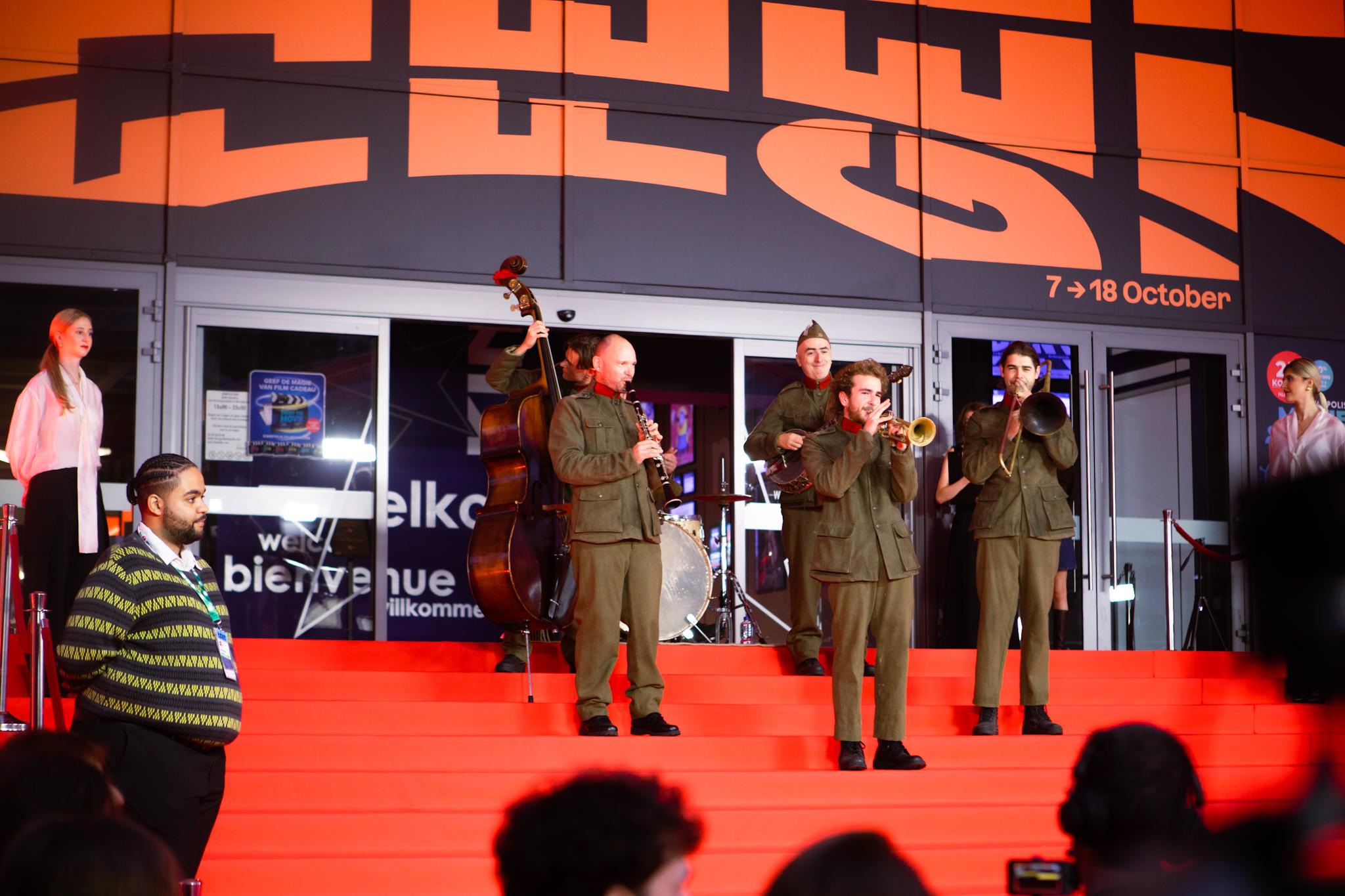
Ghent Film Fest red carpet for Coward. Credit: Aagje Van Raemdonck
For De Witte, Coward was a natural choice because it felt comforting. "One of the things that we really want to focus on was that Lukas told a story about men in the trenches in war, trying to find comfort, friendship and purpose in being and living through art, through the music and through the theater they played," he said.
Some of the films shown could be quite confrontational and not so easy to process, De Witte said. “"uckily, there were also a few other films that might be a bit lighter and that might offer some escapism, which is also probably pretty important in these times."
Recently, Film Fest Gent's been more of a generalist festival, unlike some of the previous editions, which focused on specific countries and their cinema landscapes.
The movies behind the curtain
One of the key parts of organising a film festival of this calibre this lies in the rigorous selection process of the movies. When it boils down to what makes a movie worthy of being picked, the programme director shared that it is not always a straightforward decision.
"It is definitely part gut feeling – but not only my gut, also that of our selection committee. And that's the important thing. We try to have a diverse group of people watching the films," he said.
De Witte added that they established a secondary selection process, the pre-selection committee, which consists of young people who, in previous years, sat on the young jury. According to him, it significantly helps to hear opinions and receive advice from them.
"All these reactions to the films of all these various selection committee members, we put them all together and then we try to find a balanced programme," he said.
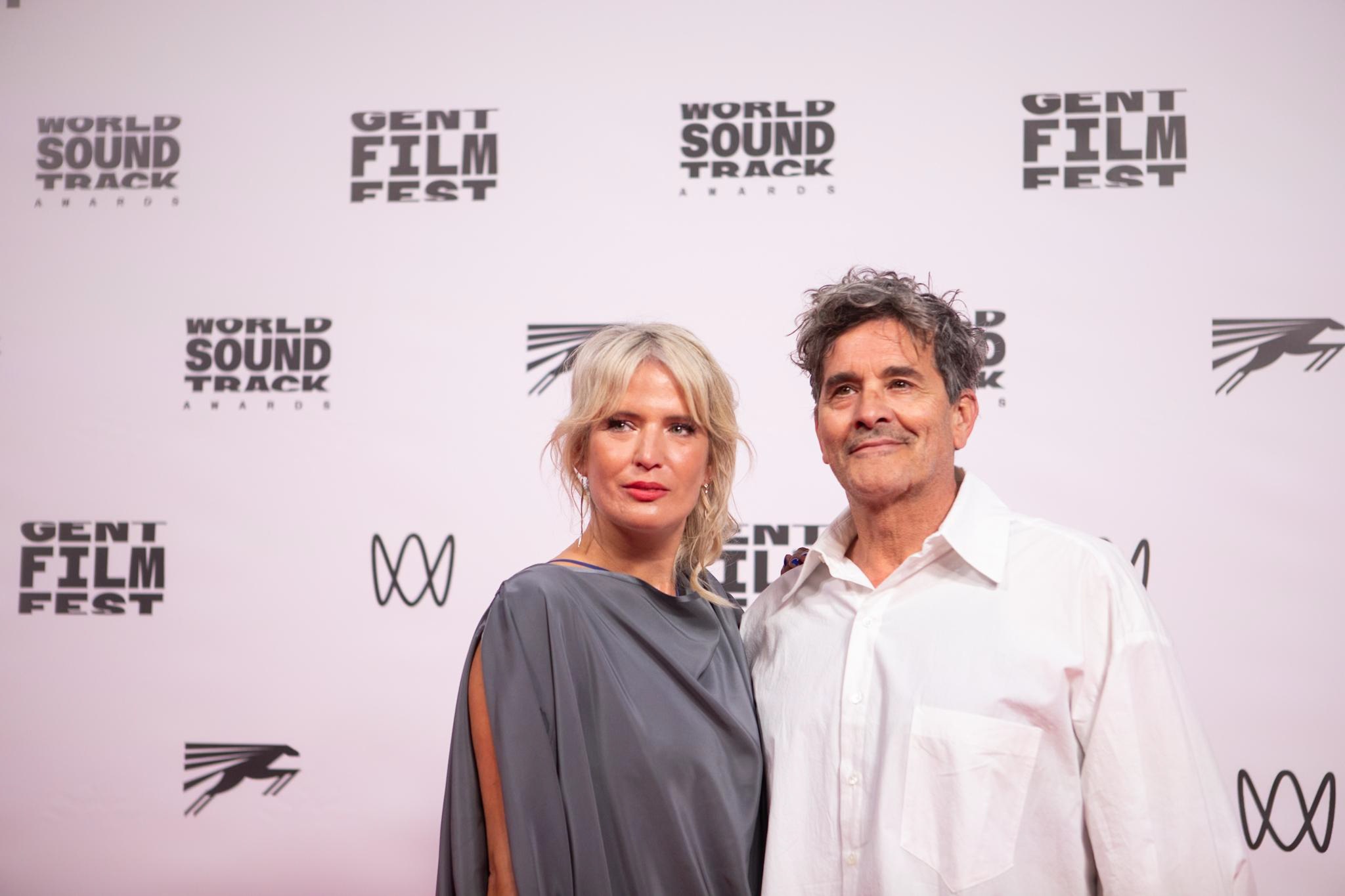
Nathalie Teirlinck (director) and Koen De Bouw (who plays Bob), from Jonah Was Here. Credit: Aagje Van Raemdonck
The main idea in the selection process is to find the ideal middle ground between different genres, production countries, a good balance in the gender of the filmmakers, in styles, in visual approaches and in stories.
Though the main criterion comes down to whether or not the movie had a Belgian premiere. The film cannot have an official screening before the premiere of the festival, shared De Witte.
He also feels that for Film Fest Gent, world premieres are not a must. "Of course, if we get the opportunity to have a world premiere, we will do it. But that would be mostly Belgian films."
"We have three Belgian films that have the world premiere," De Witte said. "Jonah premiered here, a film that was filmed here in Ghent. Jean, which is a documentary, and The Six, a documentary about Antwerp Six."
How to stand out
Despite the festival’s smaller size, it manages to stand out. "We also have this focus on film music, which sets us apart from a lot of the other international film festivals," De Witte shared.
The festival tries to invite both composers and filmmakers, he said, "to learn from each other, to listen, to inspire creative cooperations.”
This focus on music comes in the form of the annual World Soundtrack Awards (WSA), which has been part of the festival since 2001.
Several initiatives within the frame of the festival focus on film music. One of them is a matchmaking system between film students and conservatory students, which has been quite successful. The second initiative is a project that goes by 'Third Character' and assists filmmakers and production teams to find a composer.
The addition of the WSA was borne of a need to be more relevant, aiming to attract more international films. For De Witte, the language barrier might discourage some directors from showing their films in Ghent, and therefore the WSA plays an important part in bringing them here.
As a result, the festival focuses on what has been released throughout the year. "Let's try to be the best of the festivals and the best of what we've seen all year round and films that have already had their premiere," he said.
Challenges ahead
The recently announced budget cuts by the Flemish government affect the festival in several ways, according to De Witte, both directly and indirectly.
Just before the start of the Film Fest, Flanders announced the dismantling of Screen Flanders, which is mainly focused on helping filmmakers finance their films. This fund received around €3.5 million in subsidies every year.
Despite the cuts not directly influencing the festival, De Witte is critical of the cut of the film fund. "It totally goes against their own logic," he said, referring to how profitable the initiative has actually been.
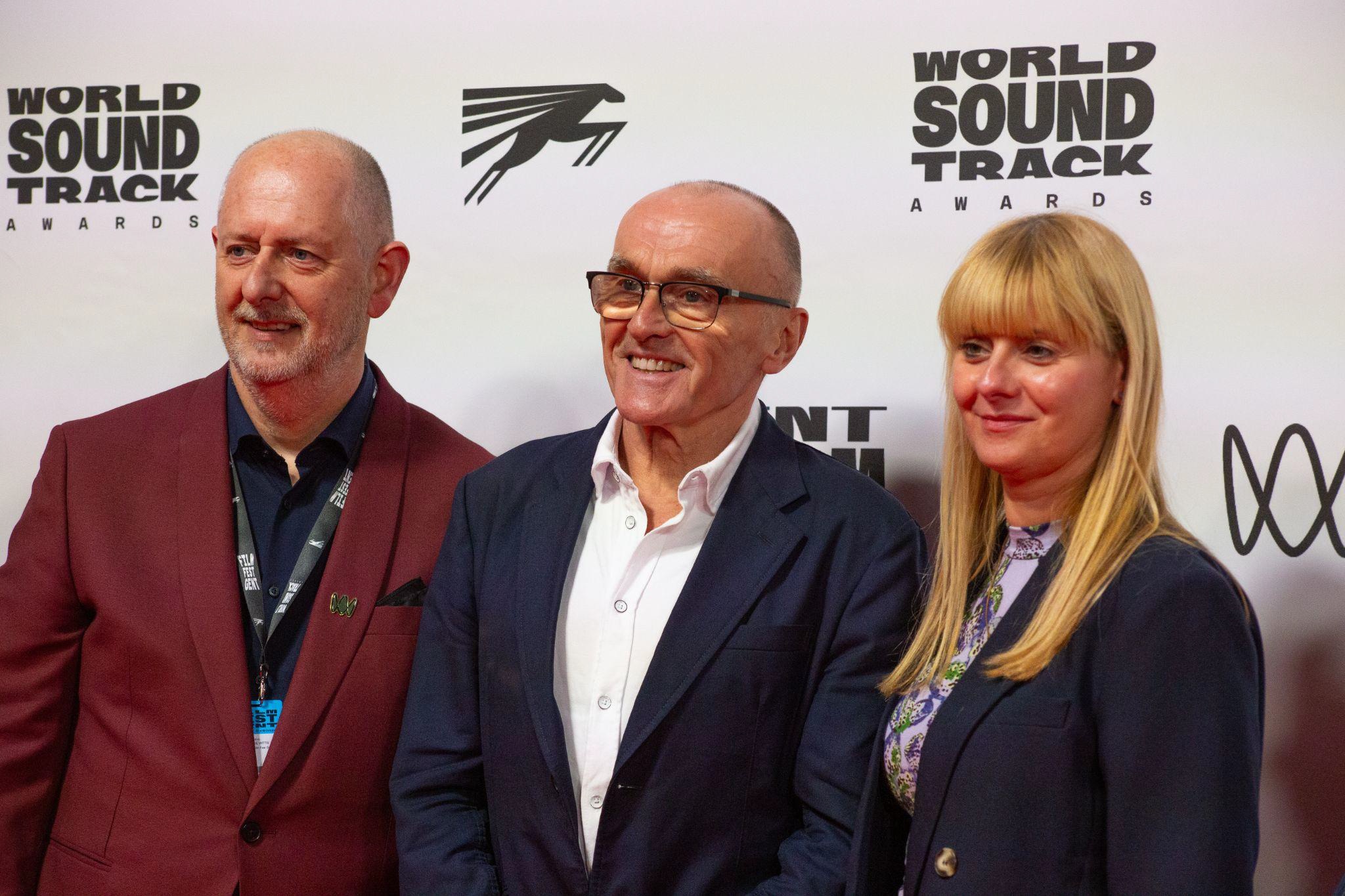
Wim De Witte (left) next to Danny Boyle (middle) at the red carpet. Credit: Martina Firova
He explained that the Ghent-based festival mainly gets its funding from cultural funds, which he feels might be on the chopping block and from city-level funding, which has also taken a substantial blow.
De Witte is scared that any losses from the city budget might be "disastrous." According to a study conducted by the University of Antwerp, International Film Fest Gent is already working with the smallest team and budget out of all comparatively sized film festivals.
To save money, he mentioned they could find solutions such as cutting back on the programming or scrapping the World Sound Track awards, which make the festival unique.
“But if you touch all these kinds of things, the whole thing might collapse,” he said, adding that it might make it harder for the festival to secure the funding from the government if they do. "They might say, 'oh, they cut back on the programme. Then we cut back on the money as well'."
For the future, De Witte hopes that despite these budget cuts, the Ghent Film Fest can continue to grow.
