
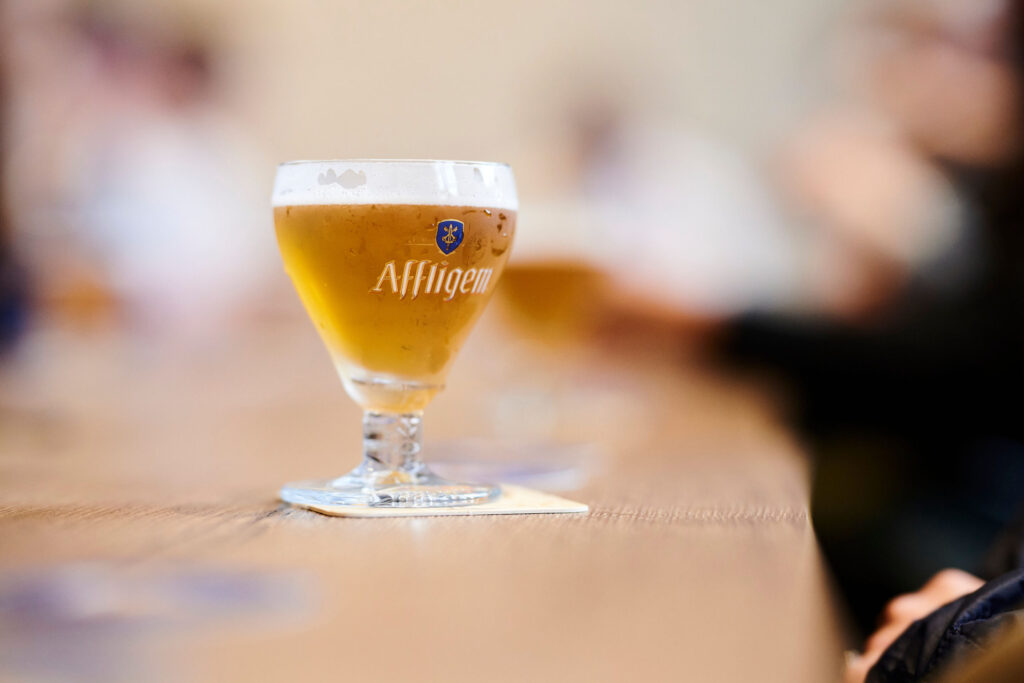
Few countries, if any, have woven beer into their cultural identity as deeply as Belgium has. In fact, Belgium is the only country whose beer culture is recognised by UNESCO as intangible cultural heritage, an honour it earned in 2016.
Belgian Brewers Association CEO Krishan Maudgal believes that reputation was earned through centuries of regional experimentation, a willingness to “do things differently” and a culture that puts the beer itself at the centre of its story.
Last week, global brewing leaders gathered at Affligem Abbey as part of the World Brewing Alliance (WBA) Annual General Meeting. The Brussels Times was invited to join the excursion to learn more about Belgium's brewing traditions, its influence on the global beer industry and how the sector is evolving.
“Belgian beer is the result of a patchwork of all kinds of different recipes, developed by brewers with a rebellious mindset who wanted to brew something different from their colleagues or neighbours,” Maudgal said. “There is no country in the world that is able to bring forward diversity in flavours, colours, alcohol percentages and aromas as Belgium was able to do.”
He added that there is no such thing as a “best Belgian beer,” as the perfect beer is subject to change depending on the occasion and mood.
How the industry has changed
Once Belgian brewers began exporting their beers to international markets, they helped establish the country as a global brewing powerhouse. Belgium is the second-highest earner from beer exports globally, representing 10% of the global beer export market. According to Maudgal, about 70% of the country’s beer production is exported.
However, to maintain Belgium’s international reputation as a brewing powerhouse, breweries must embrace new technological advances. Through a story about his time in the industry, Maudgal explained why he believes modern technology isn’t an enemy; it's an enabler to protect traditional recipes.
When Maudgal started his career 30 years ago, the brewhouse was still operated manually, and the water level in the kettles were measured by a red thread attached to a metal object. When the water reached the thread, the brewer knew it was time to close the valve.
"It was a practical solution based on years of experience," Maudgal said, "but it also showed how much the process depended on individual knowledge and judgement. If that guy wasn’t there tomorrow, how on earth would we have protected our recipe and tradition? So, technology is, for me, the essence and the heart of the transition towards future generations."
Maudgal added that the goal shouldn't be to replace traditional brewing methods, but to ensure the knowledge behind them is not lost. By partnering traditional expertise with modern technology, breweries are able to maintain the quality and consistency of their beers for generations to come.
The future of the industry?
In recent years, beer consumption habits have shifted, prompting brewers to adapt to changing consumer preferences. Arguably the most notable change globally has been the rise of no and low-alcohol beer, as more consumers look to moderate their alcohol intake without giving up the experience of enjoying a beer.
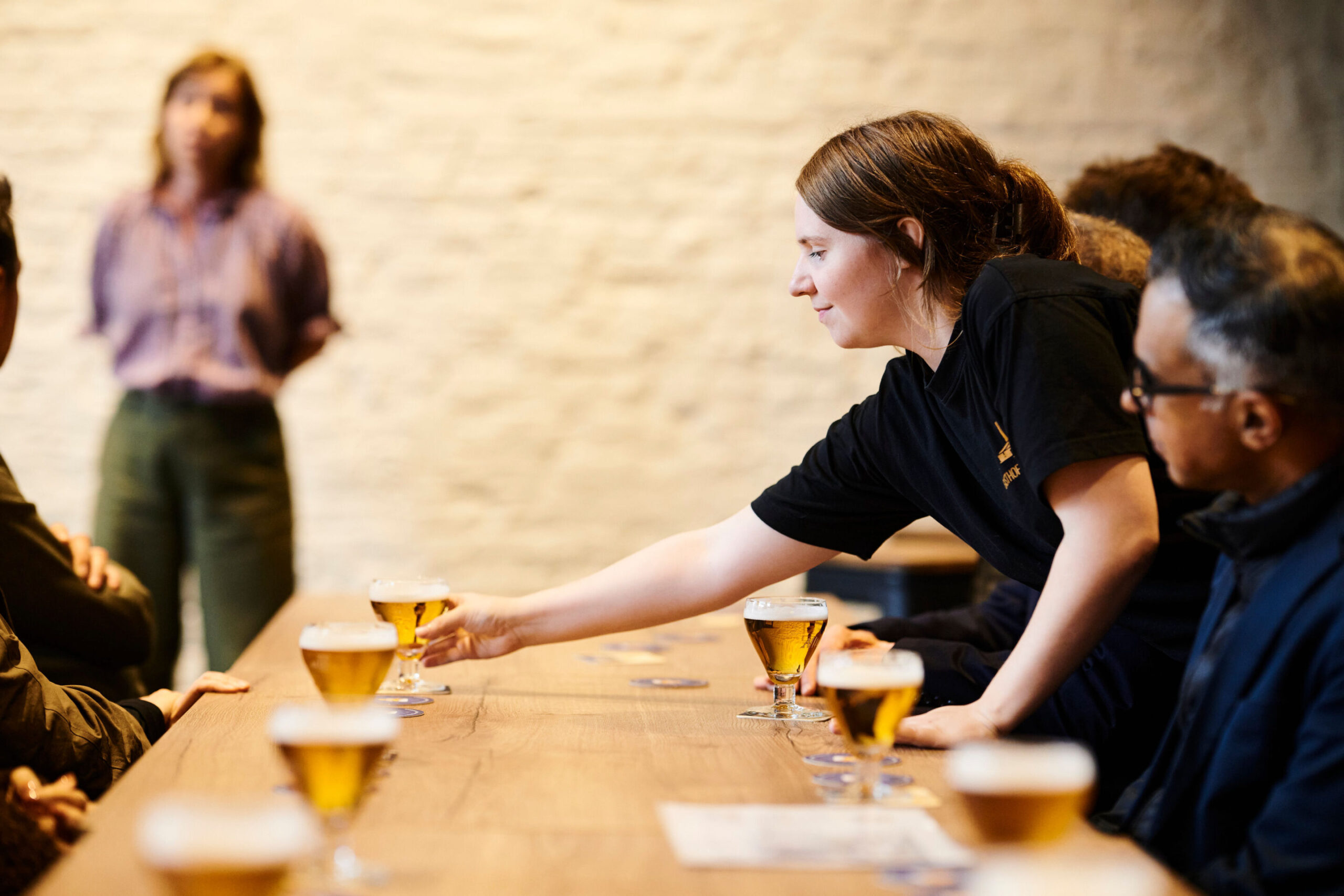
Credit: François de Ribaucourt/World Brewing Alliance
“We’re seeing consumers increasingly embrace moderate drinking, rather than full abstinence,” said Justin Kissinger, president and CEO of the World Brewing Alliance. “In fact, research shows most people who purchase no-alcohol options also drink alcohol. For the beer industry, that shift is an opportunity to expand the way people enjoy our product.”
This trend has prompted brewers to focus their attention on improving the taste and quality of no-alcohol alternatives, a decision Kissinger claims has already proven to be successful.
"Those investments have paid off: no-alcohol beer makes up about 95% of all no-alcohol adult beverages globally, and volumes are projected to reach 10 billion liters by 2030,” he said. “Consumers are flocking to these options because they provide a genuine beer experience. Unlike other options, beer isn’t defined by how much alcohol is in it; a no-alcohol brew is just as authentic as one with 4% alcohol.”
Kissinger added that events like the one hosted at the Abbey allow the world’s brewing leaders to exchange ideas, share experiences and learn from one another, stating he can now confirm that the sector's 0.0% brew is delicious.
