
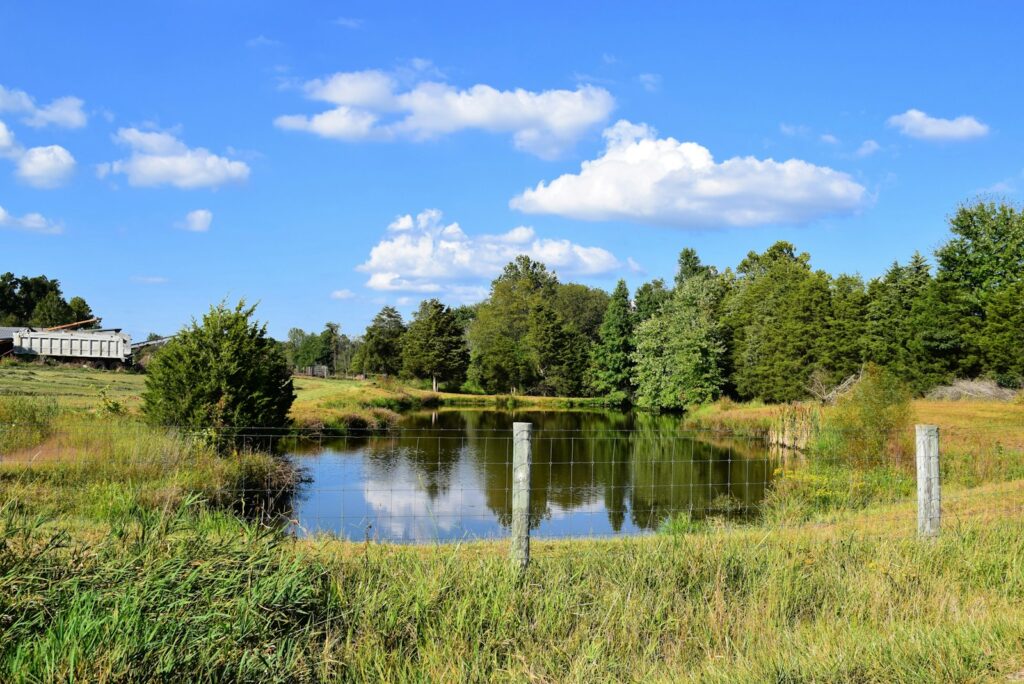
Traditional carp pond farming in Bavaria has been promoted to visitors through a new set of information boards installed in historic pond areas along walking and cycling routes.
The boards have been placed in parts of Franconia and the Upper Palatinate and explain how carp ponds are managed, their role in local identity and their value for nature, the European Commission reported in a release on Wednesday.
QR codes on the displays direct people to events, regional products and background information about Bavarian carp.
Carp pond farming in Bavaria has been listed as intangible cultural heritage in Germany since 2021.
The work to raise awareness was carried out through the Karpfenland Aischgrund e.V. project with support from Bavarian Fisheries Local Action Groups (FLAGs) — local partnerships that bring together fisheries and community organisations — as well as pond farmers and some EU funding.
The Commission described the pond systems as a long-established part of rural infrastructure, with ponds, dams, sluices and channels built from the Middle Ages by monasteries, estates, towns and farming communities. It said the ponds have been used to produce fish and store water.
Information boards installed across pond regions
The initiative brought together FLAGs from Aischgrund and Tirschenreuth, fisheries organisations, municipalities and pond farmers, the Commission said.
One pond farmer, Hans Klupp — chair of ARGE Fisch in Tirschenreuth and a fifth-generation fish farmer in Schönficht — said the boards help “build a bridge of appreciation” and make the cultural heritage recognition “tangible for everyone.”
The Commission noted that extensive pond farming can also create wetlands that support amphibians, dragonflies, water birds and rare plants. It described the Tirschenreuth area as a “land of a thousand ponds.”
EU funding helped partners coordinate across pond regions and pay for the design, production and installation of the information material, the Commission said.
It added that funding also supported cooperation between fisheries, tourism bodies, municipalities and communities.
Bavaria’s carp ponds form part of a wider tradition of carp farming across Central Europe, including regions in Czechia, Austria, Poland and Hungary.
