
As yet another month has past, the start of November rings in a series of changes to rules and measures are coming into force in Belgium.
From getting slightly more (or less) money at the end of the month to an additional tax on packages or a burial in a body bag, the latest changes and how they will impact people can be found here.
Higher (or lower) wages
As a result of the Personal Income Tax Reform Act of 15 July and the Royal Decree amending withholding tax tax of 27 September, this tax (which is the portion of tax that the employer must deduct from gross pay each month) will be adjusted. For most employees, this means that from that month onwards they will receive a slightly higher or lower net pay, depending on their circumstances.
The personal income tax reform is one of the federal government’s flagship initiatives and comprises a package of measures that will be introduced gradually, but some of which will be visibly reflected on payslips from November.
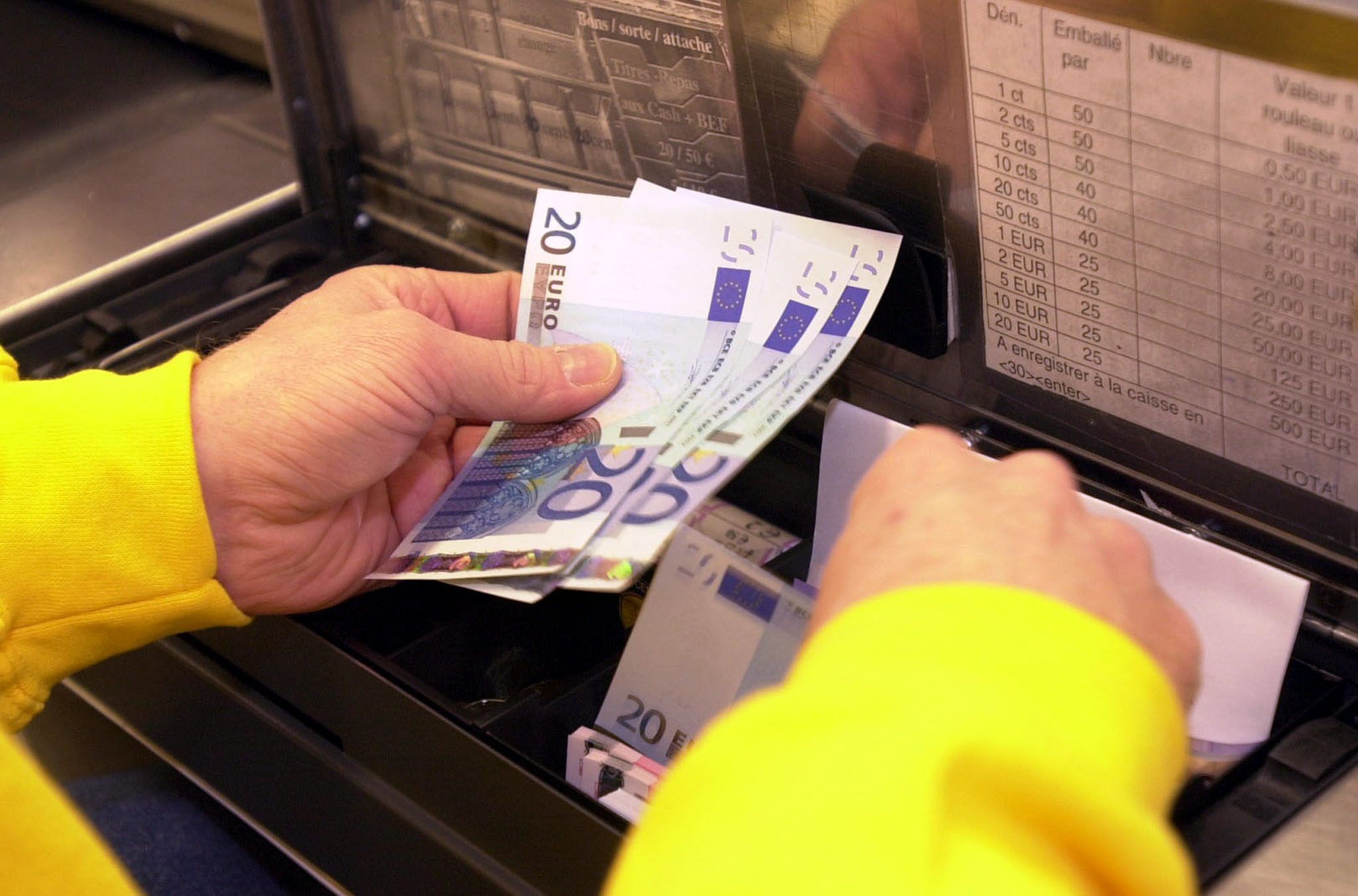
Illustrative image of a person holding money. Credit: Belga/Olivier Hoslet
The tax-free allowance – the portion of income on which no tax is payable – is being increased for all employees. HR firm Liantis has calculated that this will have a positive impact on net pay of €8.47 per month.
On the other hand, the marriage allowance – that is, the tax benefit for married couples and those in a legally recognised partnership where one of the two has little or no earned income – will be gradually halved. By 2026, the maximum amount will fall from €13,790 to €11,78.
There will also be changes for people with dependent children. The same allowance will be applied to the tax-free allowance for each child. For the first child, this means a higher allowance (an extra €5 per month), but from the second child, there will be a negative impact on the parents’ net pay.
Additional €2 tax on parcels from outside the EU
An additional €2 handling fee will be levied on parcels originating from outside the European Union – on top of the €3 import duty on parcels worth less than €150, which has been in force since July.
These measures are a response to the huge influx of small parcels from online platforms. In 2024, 4.6 billion such parcels arrived, 91% of which came from China. Last year, that figure rose to as many as 5.8 billion parcels.

Parcels in a sorting machine. Credit: Belga/Nicolas Maeterlinck
The €2 handling fee applies to all products (including those worth more than €150) and is intended to compensate the customs authorities for the higher costs and to ensure they have sufficient resources to monitor the influx of parcels.
While the importers are the ones who must pay the fee, they may decide to pass the costs on to the consumer.
Vehicle confiscated following breach of driving ban
Anyone who drives despite a driving ban will now have their vehicle seized and confiscated by the court.
Under the new law, magistrates are obliged to order the forfeiture of the vehicle when a driving ban is breached. The car then becomes the property of the state. In practice, this is followed by a public auction, with the proceeds going to the government. Magistrates may only rule otherwise in exceptional cases.
However, a vehicle can only be confiscated if it is owned by the person who breached the driving ban. “An appropriate penalty” for people driving, for example, a company or leased car is being worked on.
More mass for electric vans
The maximum permitted mass for both electric vans and hydrogen-powered vans will be increased from this month. Up to 4.25 tonnes, they will now be treated as standard 3.5-tonne vans, announced the Federal Public Service Mobility.
The amendment to the Highway Code is due to the higher unladen weight of these vans, for example because of the battery in an electric model. With a higher maximum authorised mass, they can carry the same load as other vans.
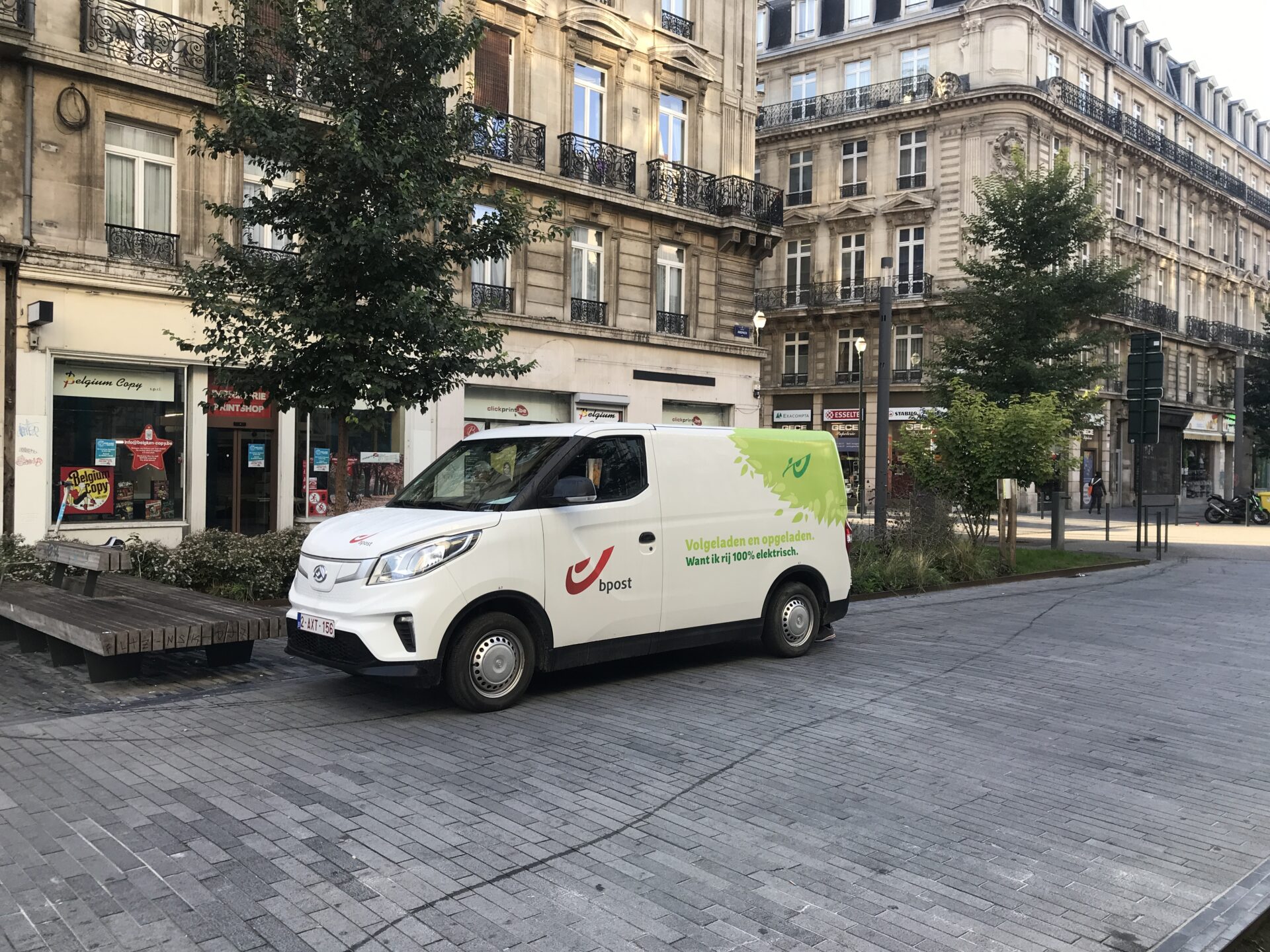
A new bpost electric delivery van. Credit: Orlando Whitehead
Additionally, the amendment ensures that these vans are not disadvantaged by certain road signs indicating a 3.5-tonne limit. They may follow the same rules as other vans in such cases, even if their maximum authorised mass is higher (up to 4.25 tonnes). This may include road signs indicating, for example, a no-entry restriction for lorries, certain overtaking bans or parking regulations.
In places where there is a weight restriction, such as bridges, that maximum weight must still be observed.
Exceptions already existed previously, for example regarding driving licences: a Category B driving licence is sufficient to drive electric vans weighing up to 4.25 tonnes.
Energy discount
Companies that consume very large amounts of electricity will be eligible for an energy discount, something which the industry has been requesting for years. The aim is to reduce the electricity bills of energy-intensive companies and keep rates in line with those of competitors in Germany and France.
In concrete terms, around 50 companies would be eligible, including major electricity consumers such as BASF and Nyrstar. From November and into 2027, they will pay 50% to 70% less in grid tariffs. In the coming years, the intention is to incorporate this discount into the rates. The discount will cost €130-160 million this year and next.
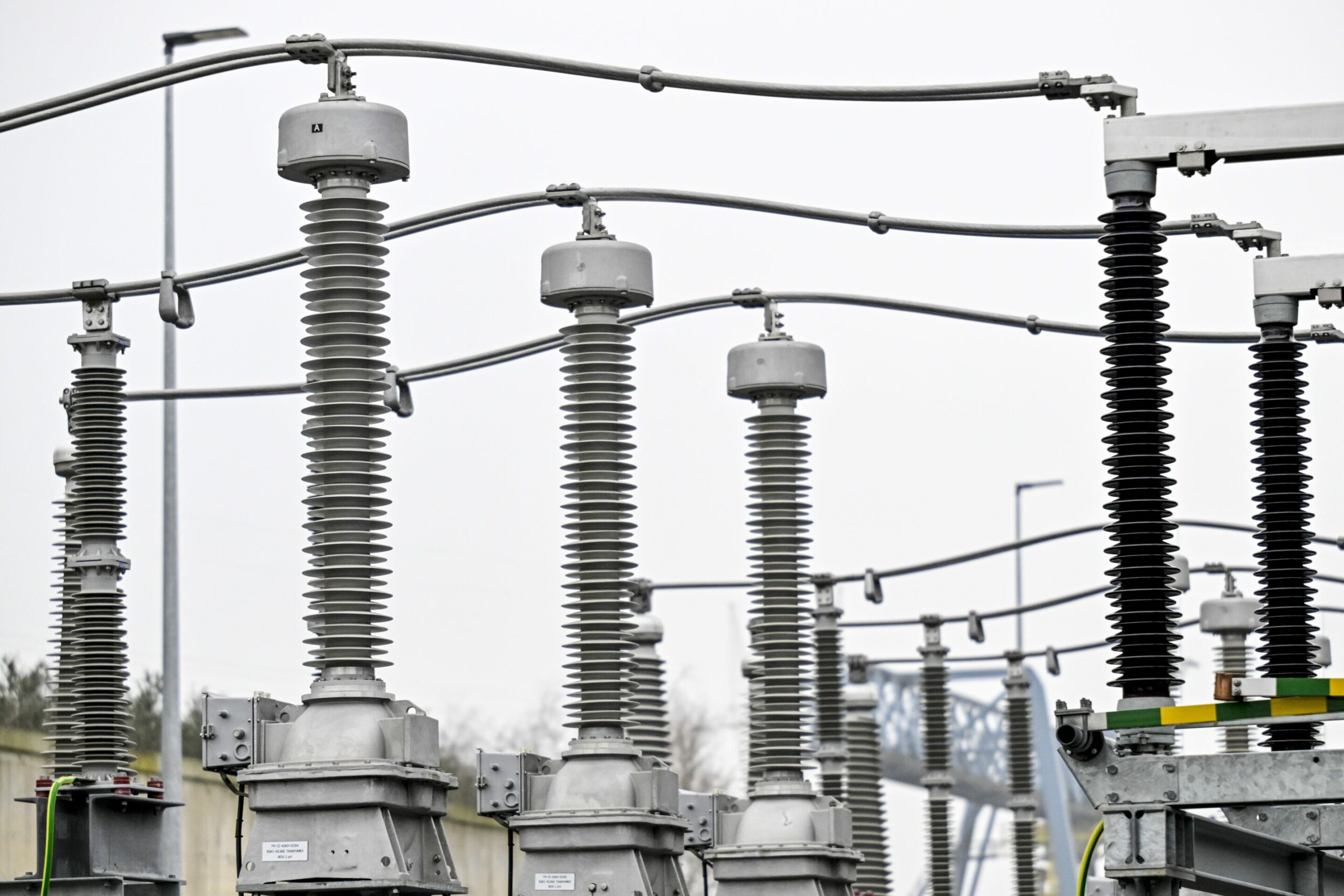
Illustrative image. A battery park of the French energy company Engie in Vilvoorde on Monday, 26 January 2026. Credit: Belga / Dirk Waem
To prevent electricity bills from rising for other users of the electricity grid, such as households and small businesses, excise duties on electricity for both businesses and households will be reduced. Additionally, use will be made of the tariff surpluses held by grid operator Elia.
The new tariffs for large consumers do, however, still require final approval from the energy regulator CREG. This is expected to happen on Thursday.
Midwives may charge patients a co-payment
Midwives will now be able to charge a “personal contribution”, also known as a co-payment, for certain services they provide that are reimbursed by health insurance. This means that patients may have to pay part of the cost out of their own pocket.
For example, this amounts to a maximum of €2.50 for postnatal care in the first five days after the birth, or up to €4.25 for antenatal care and services from the sixth day after the birth. People receiving an increased allowance pay less.
Credit: Pixabay
Midwives may not charge a co-payment for injections, the delivery itself or supplies provided during labour.
This is not compulsory: the midwife may choose to charge the co-payment in full, in part, or not at all.
Reimbursement for physiotherapy for paralysed patients
Tetraplegic and paraplegic patients will be eligible for reimbursement for specific 60-minute physiotherapy sessions. The list of treatments for severe conditions has been updated to better meet their needs, in line with the arrangements already in place for people with cerebral palsy (CP), according to the National Institute for Health and Disability Insurance (Inami).
In practical terms, quadriplegic patients will be entitled, per calendar year, to a maximum of 100 60-minute sessions, at a rate of one per day.
Paraplegic patients will be eligible for the same quota, provided their condition meets two criteria. Firstly, the sessions must lead to a significant improvement in the patient’s functional status, and/or the patient must be experiencing complications of a musculoskeletal, respiratory, cardiac, neurological, dermatological or infectious nature.
Secondly, the practitioner must demonstrate the need for intensive physiotherapy and justify it by means of a functional assessment based on the ICF (International Classification of Functioning, Disability and Health) model.
Changes in Wallonia
Body bag burial
People in Wallonia will be able to be buried in a body bag.
Burial in a body bag is only permitted in open ground, not in a burial vault, and the body bags or shrouds must be made of biodegradable material, which allows for the “natural and normal decomposition of the body within five years of burial.”
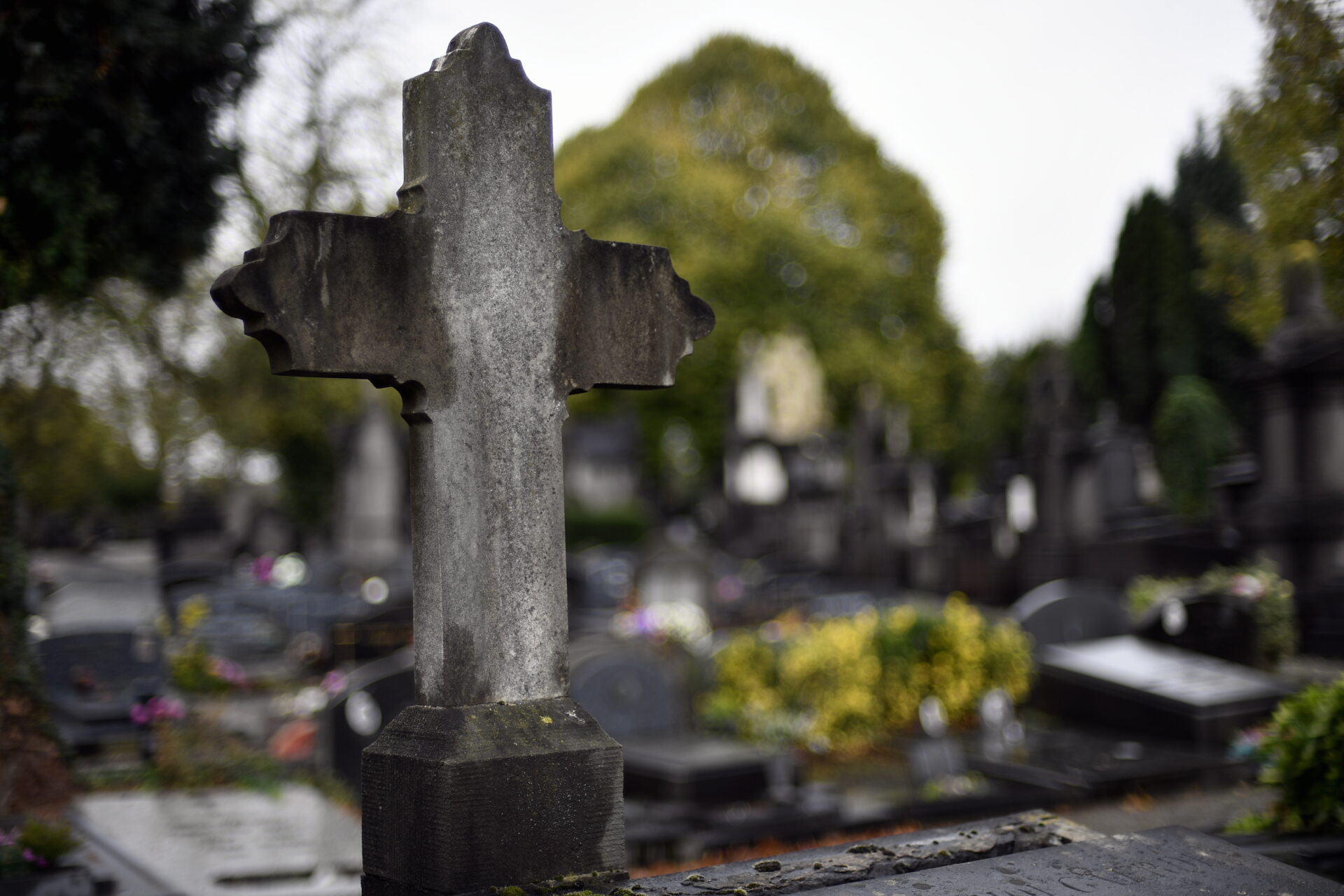
Cemetery of Laeken, the oldest in-use cemetery in Brussels. Credit: Belga/Eric Lalmand
From this month, people may also choose to be buried alongside their deceased pet, but only if the pet has been cremated.
In Flanders, both options have been available for some time.
Updated vaccination schedule for infants
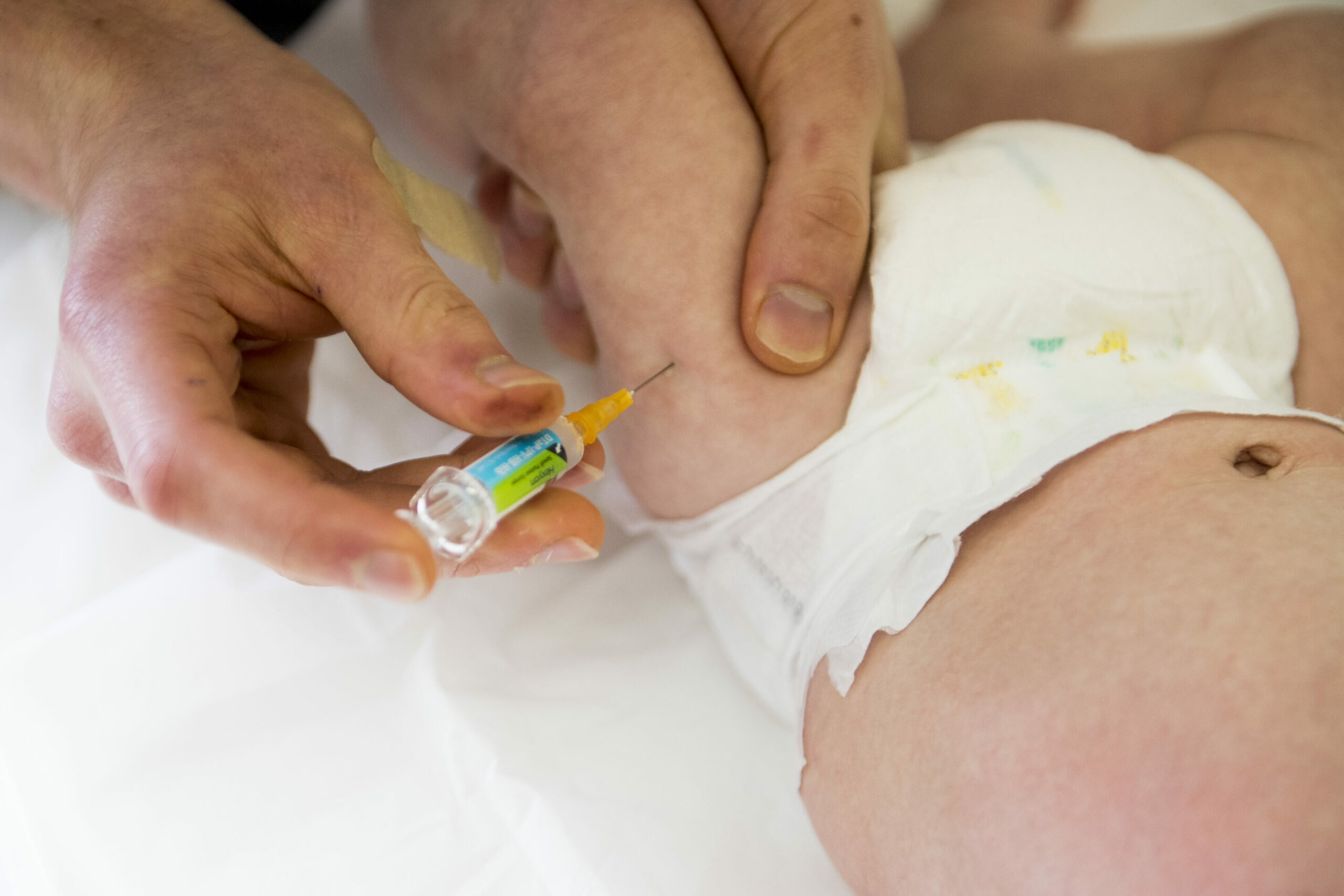
The vaccination schedule for French-speaking infants will change, with the hexavalent vaccine (which protects against poliomyelitis, diphtheria, tetanus, whooping cough, Haemophilus influenzae type b and hepatitis B) being reduced from four doses to three, and the final dose against pneumococci being postponed.
Following a recommendation from the Superior Health Council (CSS), the hexavalent vaccine will now be administered at two, four and 12 months.
Additionally, the final dose of the PCV13 pneumococcal vaccine (which protects against 13 strains of the bacterium Streptococcus pneumoniae – preventing serious infections such as pneumonia, meningitis and septicaemia) will be postponed from 12 to 15 months.
Credit: Belga
This change aims to make the process more comfortable for the child by avoiding three injections at the same time.
This vaccination schedule from the Wallonia-Brussels Federation also includes other recommended and free vaccines, notably immunisation against measles, rubella and mumps (MMR). Babies may also receive an oral rotavirus vaccine at two, three and four months, as well as a meningococcal ACWY vaccine at 15 months.
Finally, protection against respiratory syncytial virus (RSV) is recommended just before or during the RSV season.
