
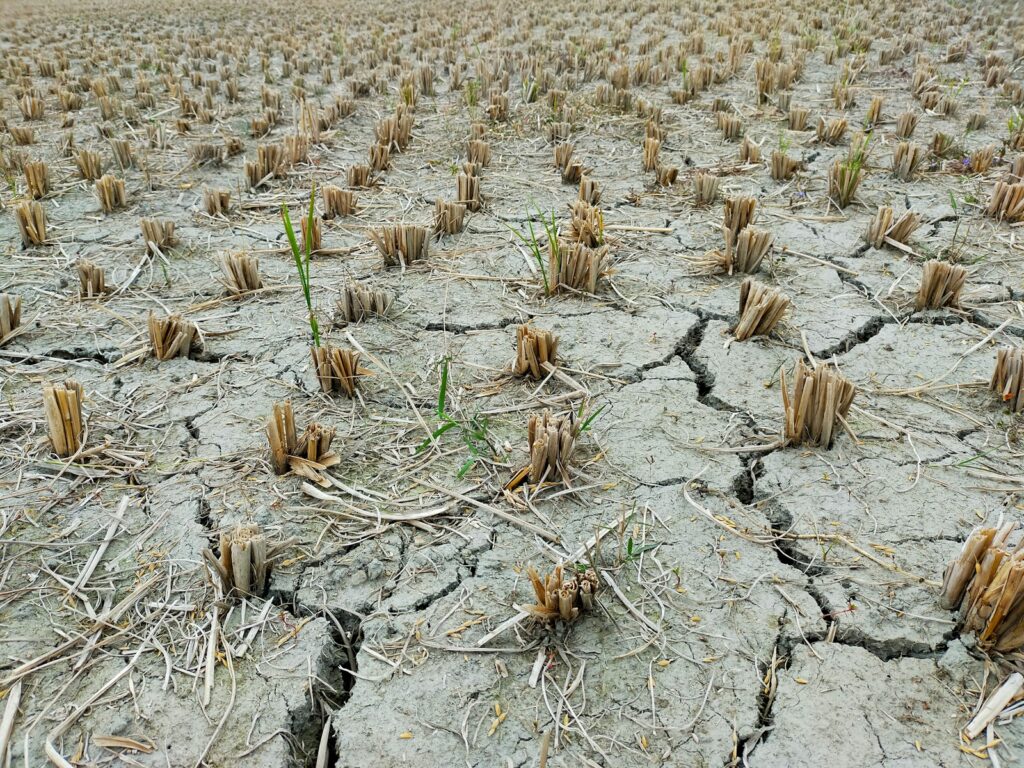
Extreme heat, drought, wildfires and storms disrupted transport, energy and water supplies across Europe in 2026, with heat amplified by climate change costing the EU at least 1% of GDP, the European Environment Agency (EEA) said.
The figure comes from a new EEA briefing, "Europe’s critical infrastructure under climate stress — lessons from 2026," published on Tuesday.
Low water levels on the Rhine disrupted freight transport and supply chains this year, while storms damaged road, rail and electricity networks in Portugal, the agency said.
Drought and heat also put power generation under pressure in Central and Eastern Europe, it added.
The EEA pointed out that the impacts often spread from one sector to another because systems are interconnected.
The energy sector accounts for about 23% of drought-related economic losses in Europe — around €2 billion per year.
Six lessons for Europe’s infrastructure
The EEA said its findings align with the European Climate Risk Assessment (EUCRA), published in 2024, which identified rising exposure of transport, energy, communications and water infrastructure to extreme weather.
EUCRA also warned that hazards can trigger cascading impacts across connected systems, and highlighted water as a key link — noting that prolonged drought can reduce the water resources needed by “people, agriculture, industry, power plants, river transport and ecosystems.”
Based on 2026’s disruptions, the EEA set out six lessons for strengthening resilience: planning infrastructure around future climate conditions; assessing risks across networks and supply chains; regularly stress-testing infrastructure; preparing alternatives such as backup systems and alternative routes; improving coordination between operators, regulators and emergency services; and combining short-term fixes with longer-term adaptation.
The briefing was published as the European Commission presented an EU Framework for Climate Resilience, which sets out a more systematic approach to managing climate risks across the bloc.
