

When the European Commission published its latest implementation report on Wednesday (3 November) on the EU Roma Strategic Framework, Executive Vice-President Roxana Mînzatu delivered its clearest message: "A fairer future for Roma is essential for the whole of the EU."
She is right. The EU is home to about six million Roma. As its workforce shrinks and its democracies come under pressure, it needs them as workers, entrepreneurs, voters and citizens. The Commission's recognition matters. But national governments control the schools, housing policies, public services and budgets that determine whether those words mean anything.
The report shows some real progress. Severe material deprivation among Roma fell from more than 60 per cent in 2016 to around 40 per cent in 2024. Housing deprivation declined from 61 to 47 per cent, and paid employment rose from 43 to 54 per cent. More young Roma are in work, education or training, and more children attend early childhood education.
Some of that progress has come with the economic tide. Much of the employment gain coincides with record demand for workers. Where progress requires political leaders to confront discrimination, face down resistance and sustain public investment, it is much weaker. School segregation persists. Housing remains overcrowded. Roma women remain far behind men in employment.
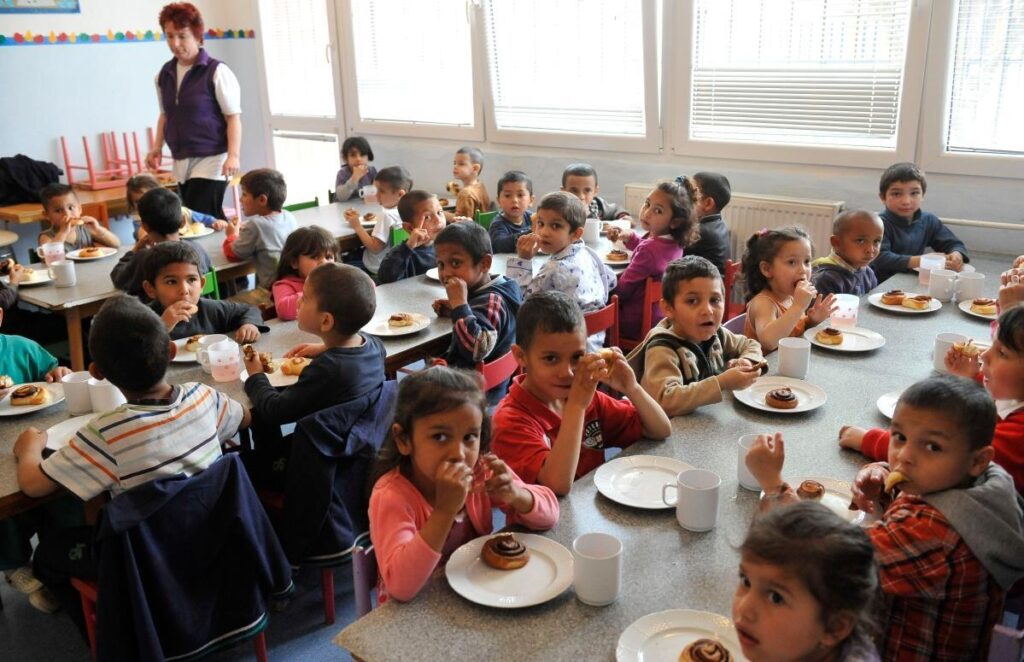
Education makes the failure particularly clear. According to the EU Fundamental Rights Agency, 46 per cent of Roma children attend segregated schools where all or most pupils are Roma, slightly more than in 2016. Reported discrimination in contact with schools doubled from 7 to 14 per cent.
Too often the blame falls on Roma parents rather than on what happens at school. Research from Hungary found that trainee teachers were more likely to steer Roma pupils towards lower-track schools than equally qualified non-Roma pupils. This hurts Roma families, and it undermines economies that need a young, skilled workforce.
The EU framework runs until 2030, and in 2021 member states committed to national strategies to meet its targets. But those strategies carry little weight in the decisions that matter. They do not shape national budgets, public administration reforms or Recovery and Resilience Plans. Responsibility often falls to ministries with too little authority to make the rest of government deliver.
Demolitions and incitement
Recent events show the consequences. In April 2025, authorities demolished homes in Sofia's Zaharna Fabrika neighbourhood, leaving more than 200 people homeless. The demolition went ahead four days after the European Court of Human Rights had issued an interim measure against it.
The Roma Foundation for Europe network worked with a mayor in Sofia's Vrabnitsa district who was willing to house the families and allocate land, and helped secure funding for temporary accommodation. Sofia City Council voted the proposal down. No strategy can deliver when the authorities responsible for Roma housing make families homeless.
In Slovenia, the so-called Šutar law, passed in November 2025 after a killing in Novo Mesto, expanded police powers and restricted social benefits. It was widely criticised as targeting Roma and ran directly against the goals of Slovenia's own Roma strategy.
The obstacle is implementation and investment, not knowledge.
The Roma Education Fund's scholarships, mentoring and tutoring offer a model that North Macedonia has drawn on for its own scholarship programme. Bulgaria has moved more than 1,300 education mediators into permanent, state-funded positions. The Roma Entrepreneurship Development Initiative shows how to support Roma entrepreneurs.
Key asks for the Commission
The task is to apply approaches that deliver the public funding, institutional authority, and continuity the Roma community needs. The Commission has limited direct powers, but it has money, influence and a platform that national governments cannot easily ignore. It should use all three.
First, protect dedicated Roma funding in the national partnership plans proposed for the 2028–2034 EU budget. Explicit allocations and safeguards are essential. Without them, Roma priorities risk being negotiated away between capitals and Brussels.
Second, demand evidence that spending changes people's lives. The Commission's own report finds that monitoring focuses on activities, and that data from Hungary, Greece and Romania does not even allow progress to be measured against national targets.
The Commission's proposed performance framework for the next EU budget repeats the mistake: its four Roma indicators count participants. Attendance tells us little about whether someone gained a qualification, let alone found a job or improved their prospects. Public spending should be judged against those outcomes.
Third, name rights violations explicitly. The demolitions in Sofia and the measures in Slovenia belong in the Commission's reporting, even if they fall outside the reporting period. Governments should have to answer for decisions that undermine the commitments they have made.
Fourth, give Roma sustained political backing. As a European minority with no nation state of their own, Roma depend on the EU when national governments fail them.
Mentioning Roma regularly in the State of the Union address, and in the new safeguards for the rule of law in candidate countries, would signal that they remain a European priority, even when other crises compete for attention and after accession for new Member States.
The European Commission says Europe needs Roma. National governments should start governing as if they believe it. The next EU budget should give that commitment financial weight, and the Commission should give it political force.
