
Back in Brussels for another edition, the MashaaDunya festival is giving the stage to the stories of intersection between Moroccan, Turkish, Congolese and Belgian cultures through conferences, exhibitions, movies, workshops and more.
Celebrating the richness of the cultural diversity in Brussels, the festival aims to create space for artists whose cultures are not at the centre of “traditional cultural circuits." The dialogue between cultures becomes clear through three exhibitions presented at De Markten in the city centre.
The exhibitions MABABU, Bnat Al Ghorba and Shared Roots tackle identity and cultural blending while creating room for “representation, recognition and dialogue through lived experiences.”
Ancestors in the clouds
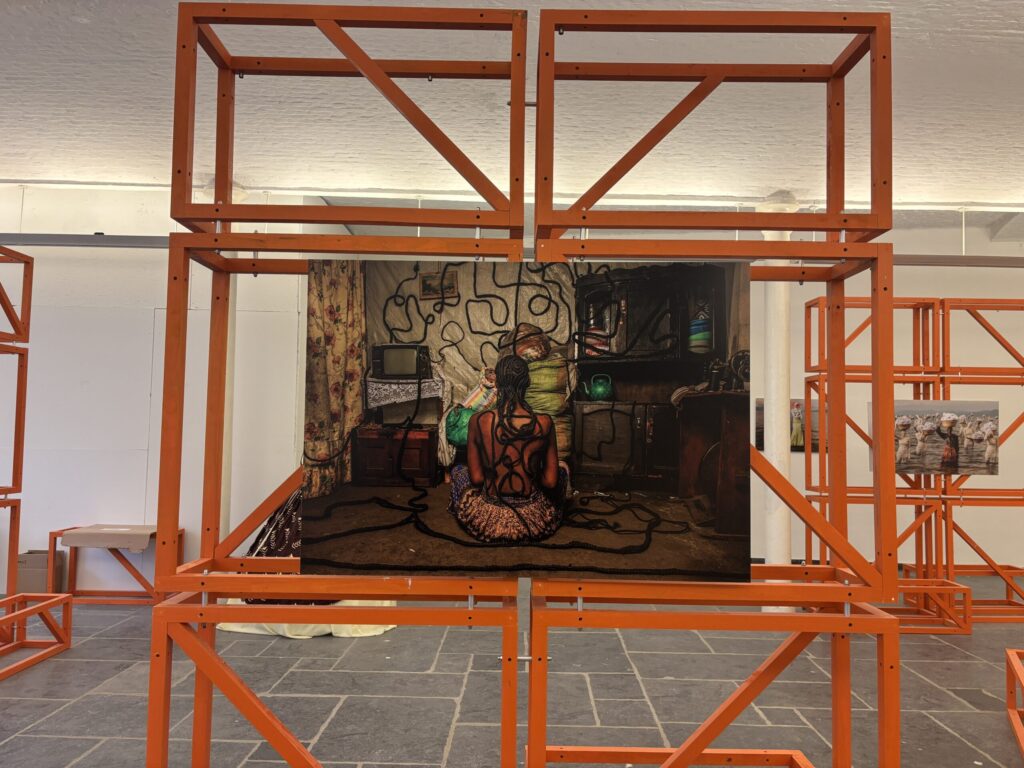
Pamela Tulizo is a Congolese photographer and journalist winner of the Prix Jeune Talent en Photographie de Christian Dior in 2020. Her photo series MABABU (Swahili for "ancestors"), brings different periods of Congolese history and places to “dialogue with one another.”
Tulizo uses materials and objects such as tobacco, sugar, cotton, coffee and textiles that connect to the history of slavery and trade and brings them together to question exploitation of the individuals that produced them.
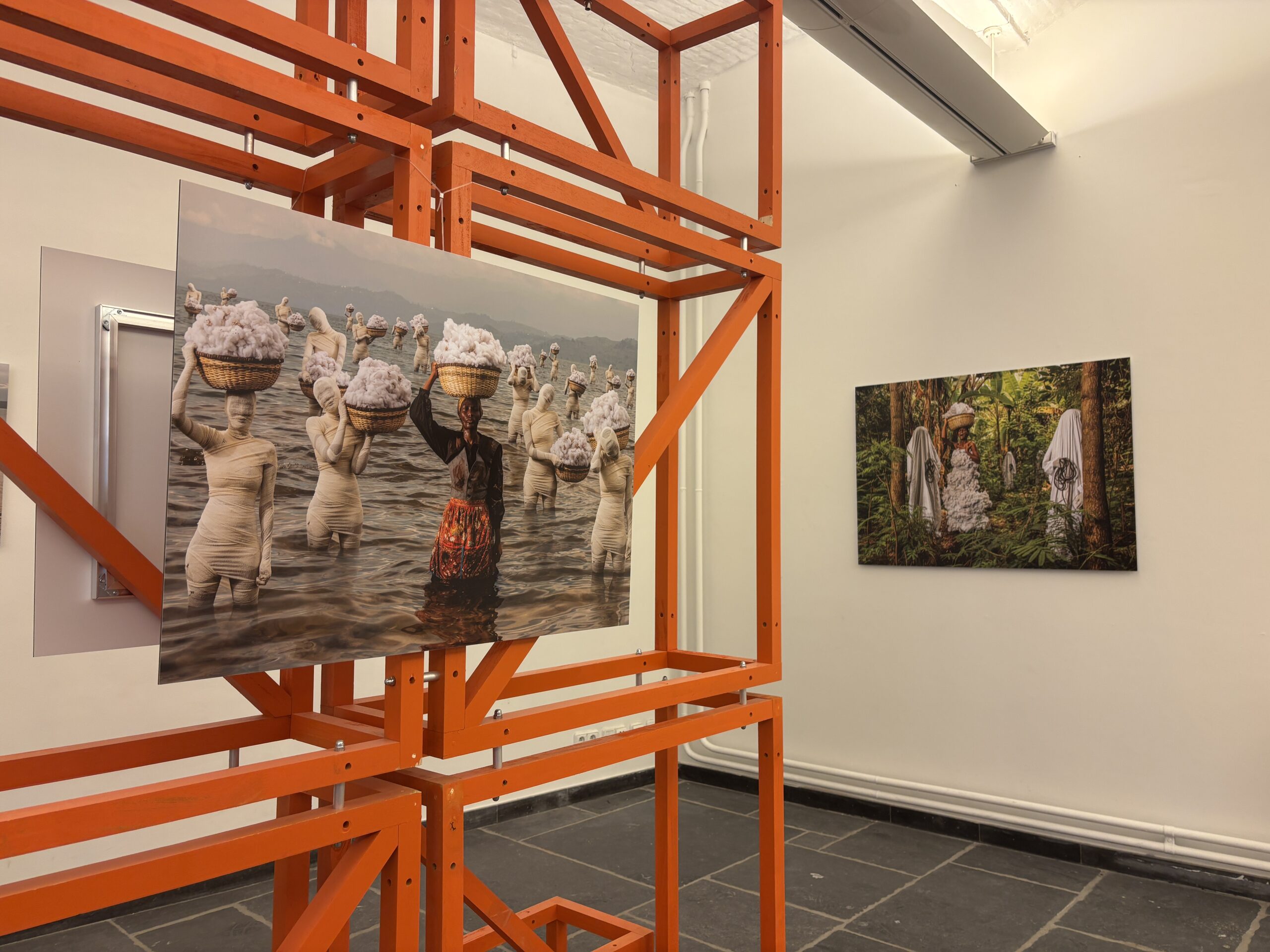
MABUBU by Pamela Tulizo at De Markten Credit: Ana Fernandes
The photographer confronts the current exploitation of resources like lithium, diamonds and copper in the Democratic Republic of the Congo (DRC) bridging from past raw materials for current ones.
Bnat al Ghorba (which means "daughters of the exile" in English), is a photographic exhibition by Soukayna Aarab, Floriana Charlet and Yeliz Poyraz that showcases stories of 60 women across three generations living in Belgium.
The project was set up to celebrate the 60th anniversary of the 1964 conventions that Belgium celebrated with Morocco and Turkey for a reinforcement of the workforce in mines, factories and construction sites.
The pictures and the testimonies of women from diverse social strata want to highlight the active contribution they made to society, straying away from the traditional framing through the lens of family or passive migration.
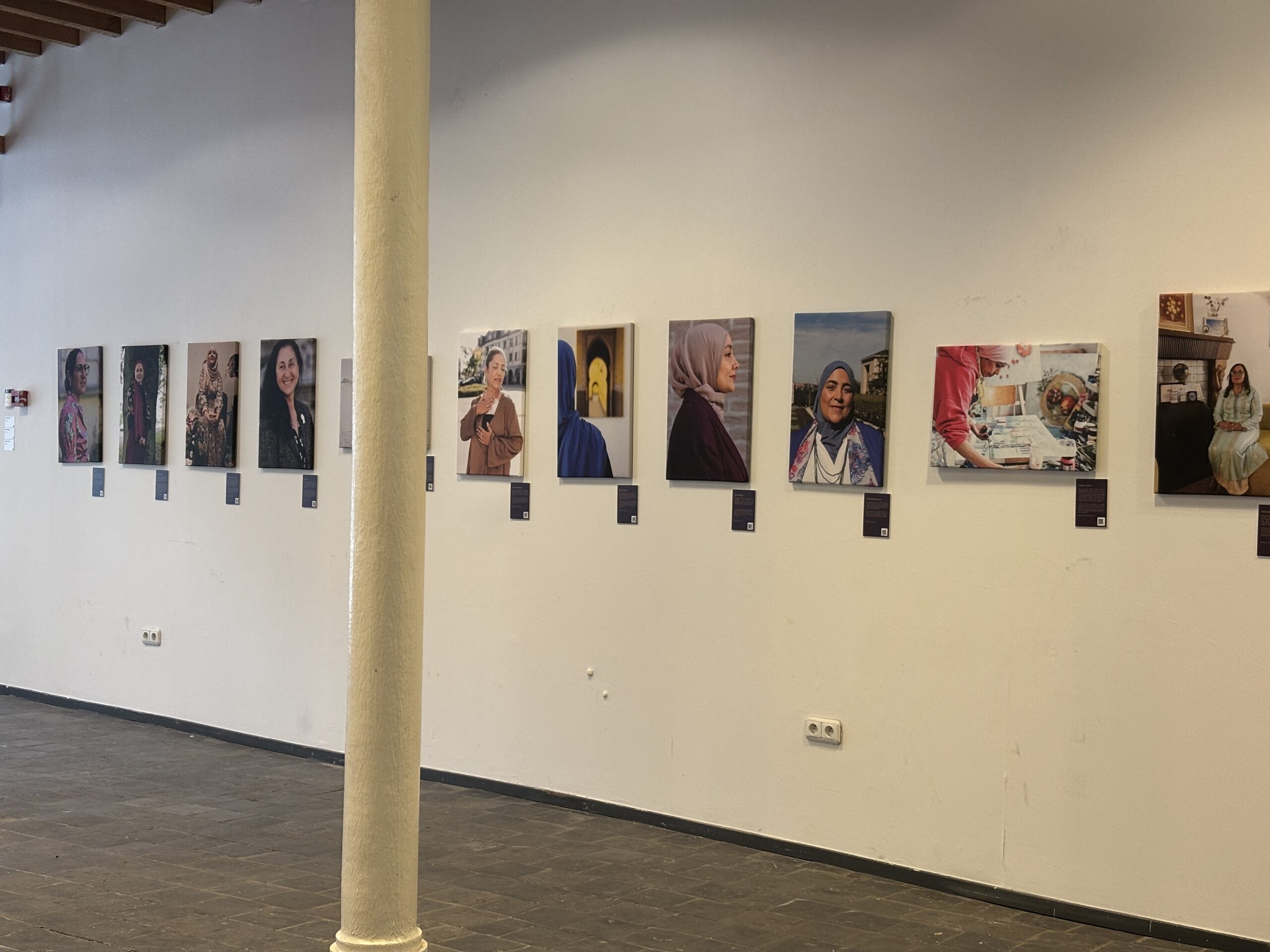
Daughters of Exile Credit: Ana Fernandes
The exhibition features women with diverse life paths that range from healthcare and engineering to artists and community researchers.
Chosen works from the upcoming artists in Brussels make the collection of the exhibition "Racines Partagées," which showcase the stories of the young diaspora bruxelloise and their affirmation in the Belgian artistic scene.
Ranging from painting to photography and art installations, “each work bears the imprint of a family history, an exile, an inheritance to be reinvented,” according to the festival’s organisers.
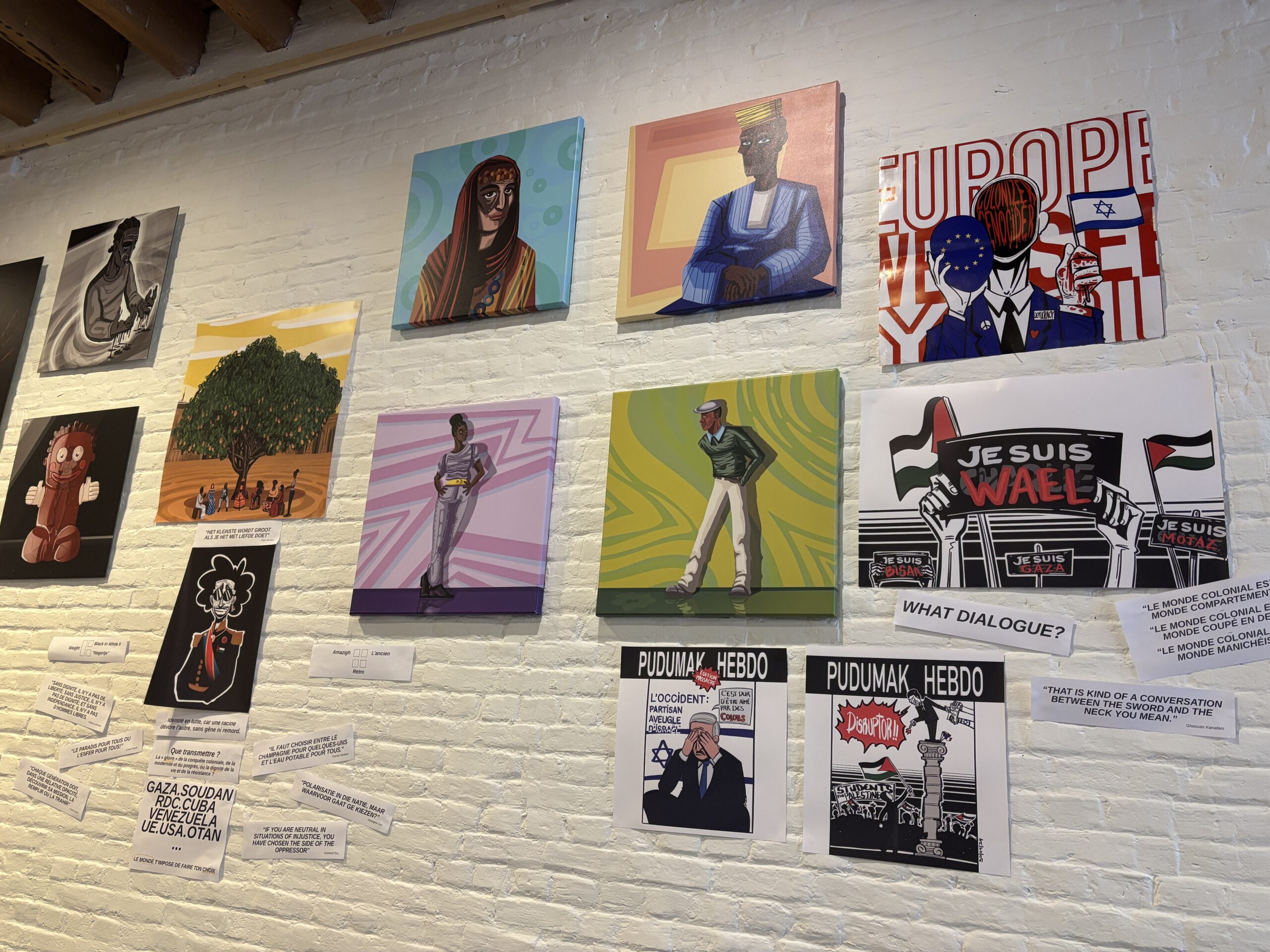
Works of the Belgo-maroccan-congolese artist Pudumak in De Marketen Credit: Ana Fernandes
The works showcased bring impactful messages and stories that mark the reality of many people from Turkish, Moroccan and Congolese diaspora, like the work "Identité Fragmentée," which tells the story of Yvonne Julienne.
Yvonne was born in Kivu, DRC, to a Belgian dad and a Congolese mother and was forcefully removed from her home to be adopted by a couple in Belgium. She only saw her mother 30 years after she was taken away.
Who belongs in Brussels?
Brussels, the capital of Europe, is one of the most ethnically diverse cities in Belgium. The diaspora of Moroccan, Congolese and Turkish are not often associated with art, but that is what MashaaDunya wants to change.
Taylor, a young Congolese national in Belgium who went to the exhibitions, says they offer a “small glimpse” of the cultural diversity present in Brussels.
Having grown up in a diverse area, he affirmed that “you need to learn how to navigate those cultural differences because Brussels is a melting pot. That is part of what it means to be bruxellois. You have your own culture, but you are also surrounded by the cultures of everyone else.”
The festival comes to celebrate just that the diversity of being bruxellois, the expressions and intersections that is inspiring to many artists.
The MashaaDunya Festival ends on 28 November with a concert in Espace Magh with Freddy Massamba, Yasmine and Sibel Duo.
