
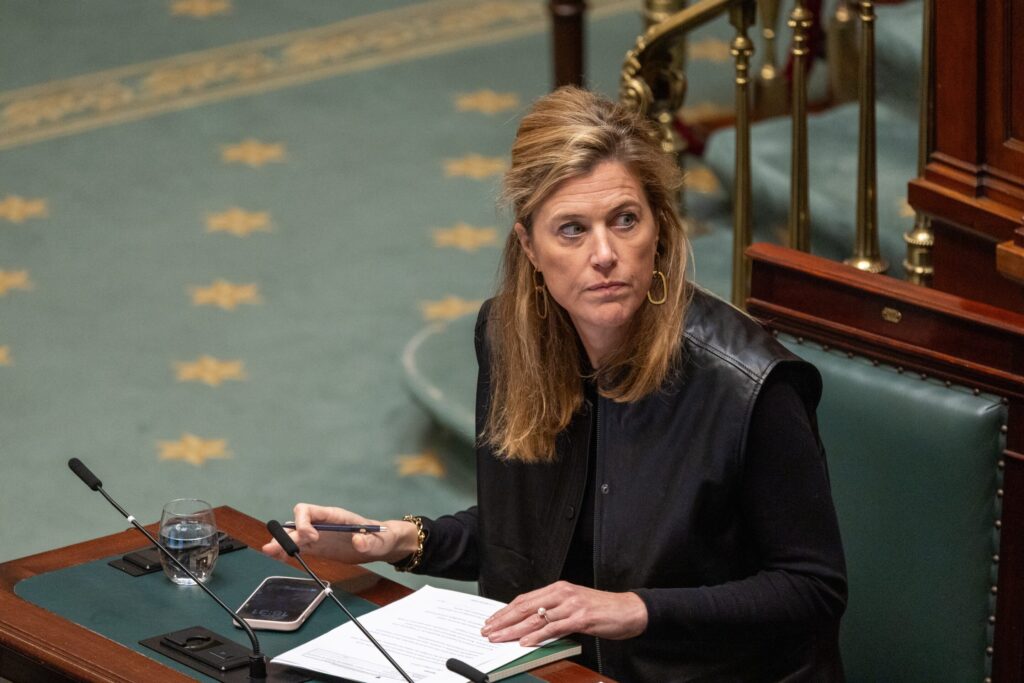
A Belgian Parliament committee examined a proposal Wednesday that would allow parents to give a surname to a stillborn child following a pregnancy of between 140 and 179 days.
The draft bill, introduced by Justice Minister Annelies Verlinden (CD&V), would extend existing registration rights that allow parents to give a first name to a stillborn child during that period to give them a surname as well. It would also change the language used in the Civil Code, replacing the Dutch term levenloos kind (lifeless child) with stilgeboren kind (stillborn child).
"By opting for respectful language in the administrative procedure, we want to support parents, who are going through one of the most difficult moments in their lives, as best as possible,” said Verlinden when the proposal was announced.
Current law allows parents to request a stillbirth certificate for pregnancy loss occurring from 140 days after conception. However, these certificates don't include a surname.
The proposed reform would allow parents who lost a child 140-179 days after conception to add a last name to these official certificates. It would also allow surnames to be added retrospectively to certificates that have already been issued, a change Verlinden says is intended to give bereaved parents greater recognition.
However, some critics like the Centre d’Action Laïque (CAL), a non-profit secular organisation, believe this change could change how society perceives a pregnancy loss and the loss of a child. In particular, CAL is concerned that this change could eventually lead to a shift towards recognising foetuses as legal persons, which could potentially affect abortion laws long term.
"Symbolically and administratively recognising an embryo or fetus as a life reinforces the stigma surrounding abortion and may increase the guilt and shame felt by some women after a miscarriage or abortion," the organisation wrote in a publication earlier this year.
"However, every woman must be able to make sense of her pregnancy and its termination (whether accidental, voluntary, or medically induced) without having a social interpretation imposed upon her," it added.
The draft law, however, will not change Belgium's current abortion law that permits abortion up to 12 weeks after conception under certain conditions.
The proposal must now be voted on in committee before it can receive a plenary vote.
