
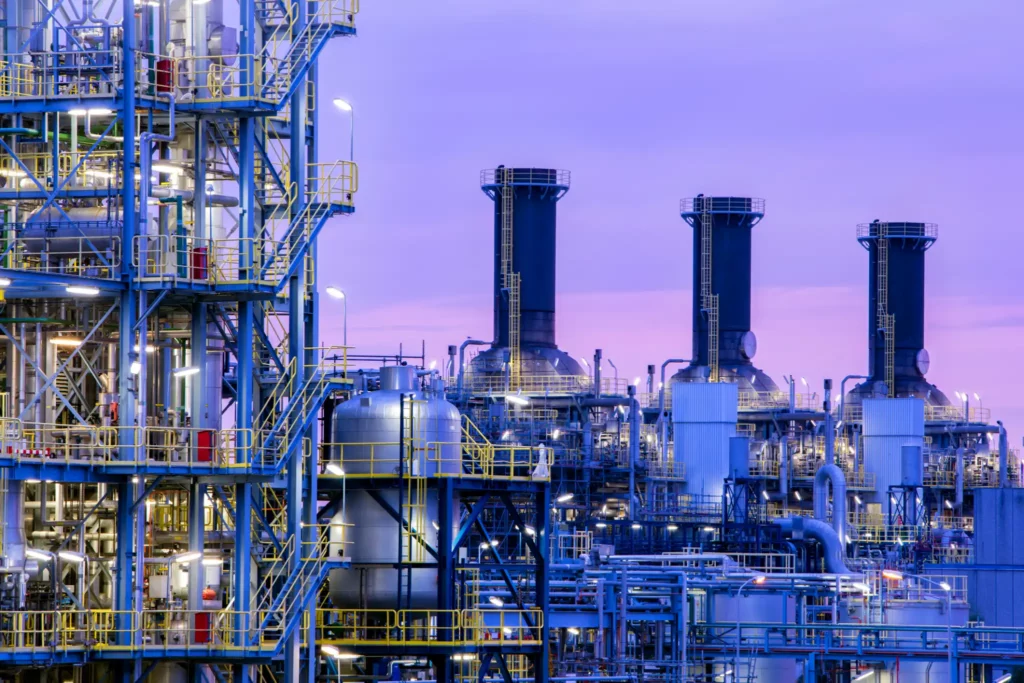
More than 11,200 jobs have been lost in Belgium’s chemical sector since 2000, cutting employment by nearly a fifth, according to an analysis by De Tijd and L’Echo based on National Bank figures.
By the end of last year, 43,700 people were still employed in the chemicals, rubber and plastics industry. BASF and Umicore remain the sector’s largest employers, with more than 3,000 staff each.
Although employment last year remained above the low point recorded in 2015 and 2016, the recovery that followed has reversed since 2022.
Related News
- Jobseekers in Brussels are struggling to find roles – here's why
- My unemployment benefits have ended in Belgium – what now?
- Belgium’s debt drift: Is the country's luck about to run out?
“The underlying mechanism is now different. We are in a crisis that is much more painful and cuts deeper,” said Gert Verreth, spokesperson for chemicals federation Essenscia.
The utilisation rate of chemical plants has fallen to about 70%, while the sector generally needs 80% or more to remain structurally viable over the long term, he said.
The steepest decline in employment came between 2000 and 2010, when companies responded to globalisation by investing in modernisation and automation.
At the same time, services including maintenance, logistics and security were increasingly outsourced, further reducing direct employment.
The sector is now facing pressure on several fronts. Factory closures such as 3M’s and the bankruptcy of Vynova have added to the strain.
Belgian and European chemical companies are also grappling with high energy costs and competition from Chinese overcapacity.
Essenscia has also voiced concern about the low number of new growth investments in Belgium.
