
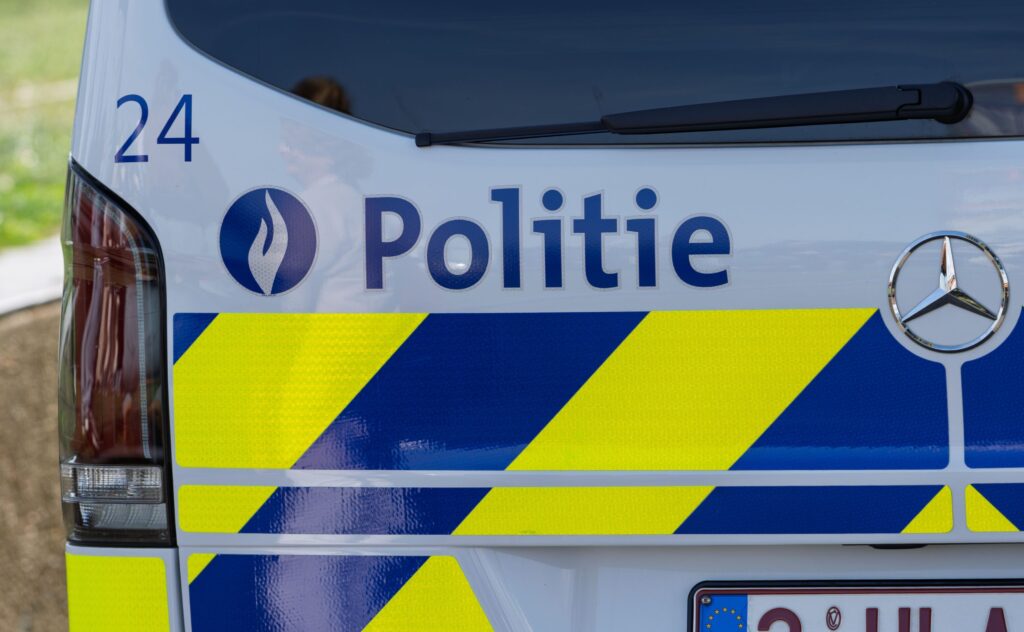
Only 29% of police departments are following a law passed this summer that requires local Belgian police zones to have one community police officer for every 2,000 residents, according to reports.
The previous requirement of one community officer for every 4,000 residents was reportedly changed to prevent large police zones from becoming too distant from the public. However, smaller, often rural, police zones are more likely to find meeting this new quota difficult due to having smaller forces.
Regionally, police zones in Flanders have been hit the hardest by the new requirements. According to figures published by Flemish newspaper Gazet van Antwerpen, only one out of nine Flemish police zones meet the updated standard.
Inge Lenseclaes (N-VA), the mayor of Flemish Braban OverijseMayortold the paper that one police zone in her region is required to have 20 neighbourhood police officers; it currently has seven. She added that it's "almost torture" to find officers who want to work in more rural departments, as metropolitan allowances in parts of Belgium like the Brussels-Capital Region allow officers to earn up to €500 more a month.
Bernard Quintin (MR), the Belgian Minister of the Interior, Institutional Reform and Democratic Renewal and lawmaker who proposed the initial legislative change, stated that he is closely monitoring the situation. He emphasised that he still believes a strong police zone is both visible and approachable for the public.
Studies, such as a 2022 report from the Kantar polling institute, found that roughly half of Belgians don't feel adequately protected by law enforcement.
