Nearly two-thirds of people aged 16 and over in the EU said a private motor vehicle such as a car, motorcycle or moped was their main way of getting around in 2025, while about one in five mainly used public transport.
Private motor vehicles were the main mode of transport for 61.7% of people, compared with 19.4% who primarily used public transport, 11.4% who mainly walked and 6.0% who mainly used bicycles, Eurostat reported on Monday.
People at risk of poverty or social exclusion were more likely to rely on public transport than those not at risk — 27.0% compared with 17.4% — and were also more likely to walk as their main mode of transport, at 18.6% versus 9.5%.
Those not at risk were more likely to use private motor vehicles, at 65.8% compared with 45.5% among those at risk.

City travel looks different to rural areas
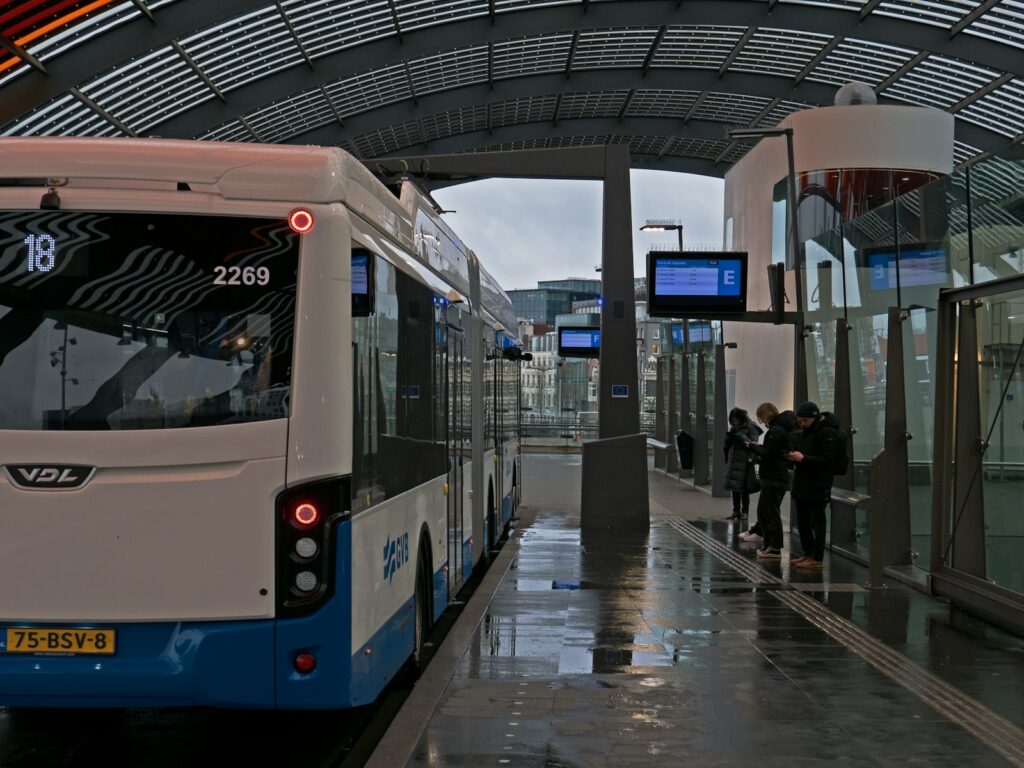
Public transport was the main mode of transport for 31.4% of people living in cities, compared with 12.9% in towns and suburbs and 10.0% in rural areas, Eurostat reported.
The use of private motor vehicles was lowest in cities, where 47.7% named them as their main transport, compared with 67.5% in towns and suburbs and 74.9% in rural areas.
Across the EU, the share of people using private motor vehicles as their main mode of transport ranged from 89.8% in Cyprus to 34.4% in Romania.
Public transport use as the main mode was highest in Romania at 35.2%, followed by Hungary at 31.5% and Luxembourg at 30.4%.
Walking as the main mode of transport was most common in Bulgaria, where it accounted for 27.7%, followed by Romania at 24.7% and Latvia at 20.7%.
Bicycles were the main mode of transport for 31.6% of people in the Netherlands, with other higher shares recorded in Denmark at 18.5%, Belgium at 14.0% and Hungary at 10.6%.

