
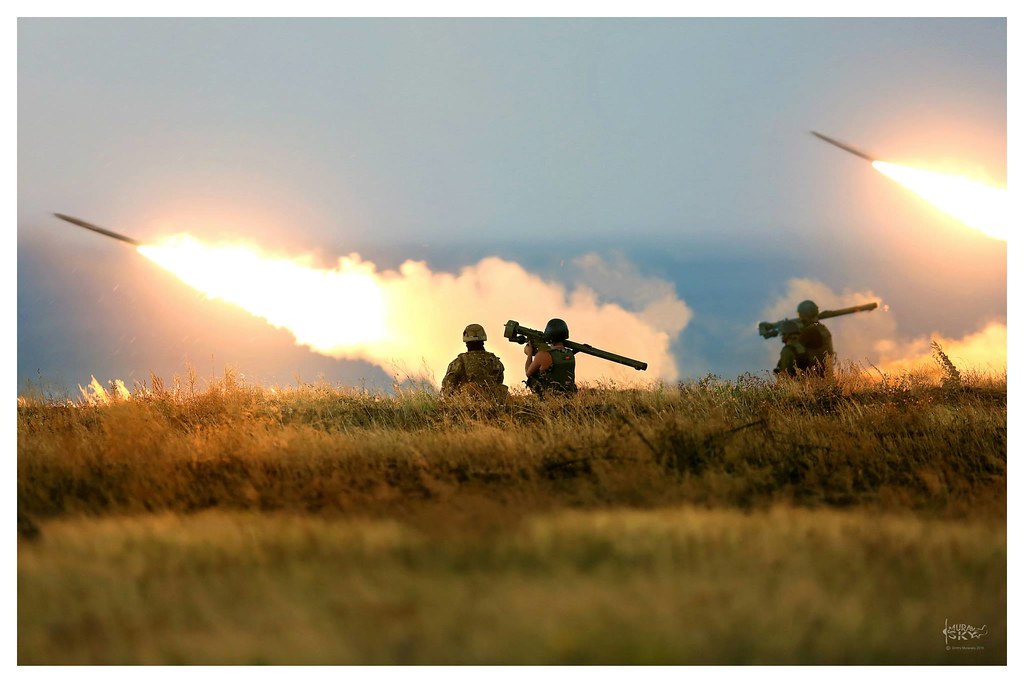
The European Commission has adopted revised guidelines for EU countries on applying a visa ban covering people who are serving or have served in Russia’s armed forces since the start of Russia’s full-scale invasion of Ukraine.
The guidance, published alongside a proposed 22nd EU sanctions package, is intended to help national authorities identify “current and former combatants” and apply restrictions more consistently, the Commission announced on Monday.
Enhanced checks should focus on people who have served in Russian armed forces or associated armed groups since 24 February 2022 and who directly took part in combat operations in Ukraine, it said.
Combatants in the Russian armed forces who hold other nationalities would also fall under the ban, because they are regarded as posing the same security risk, the Commission added.
EU countries are being given an updated list of documents to request from Russian visa applicants, including a questionnaire about military service, a self-declaration and the option to ask for supporting paperwork such as a military booklet.
Tighter approach to tourist visas and checks at the border
The revised guidelines recommend a “very strict” approach to issuing tourist visas to Russian nationals, citing security risks including disinformation, sabotage and espionage, the Commission said.
EU countries should no longer recognise non-biometric Russian passports, it added.
At the EU’s external borders, border guards should carry out more thorough individual assessments of all Russian nationals seeking to enter the Schengen area — the passport-free travel zone covering most EU countries — regardless of where they have travelled from.
Checks should include interviews and systematic fingerprint checks in the Schengen Information System (SIS), a shared database used by European authorities to share alerts and information on people and objects.
The guidance also addresses cultural and sporting travel. EU countries should consider refusing Schengen visas to Russian athletes competing in events where Russian national symbols such as the flag, anthem or uniforms are used, once a proposed ban on competing on behalf of the Russian state is adopted, the Commission said.
Authorities are also urged to pay specific attention to individual artists travelling to cultural events who are sponsored by Russian authorities.
EU safeguards for people needing protection should remain in place, and tighter scrutiny should not prevent entry for people with a legitimate reason to leave Russia — including human rights defenders, dissidents and independent journalists — while humanitarian exceptions should be considered for Ukrainians who were forcibly granted Russian nationality and can prove previous Ukrainian citizenship.
The Commission stated further that it will work with EU countries on consistent implementation, while the Council of the EU will decide when the visa ban on Russian combatants enters into force across the bloc.
