
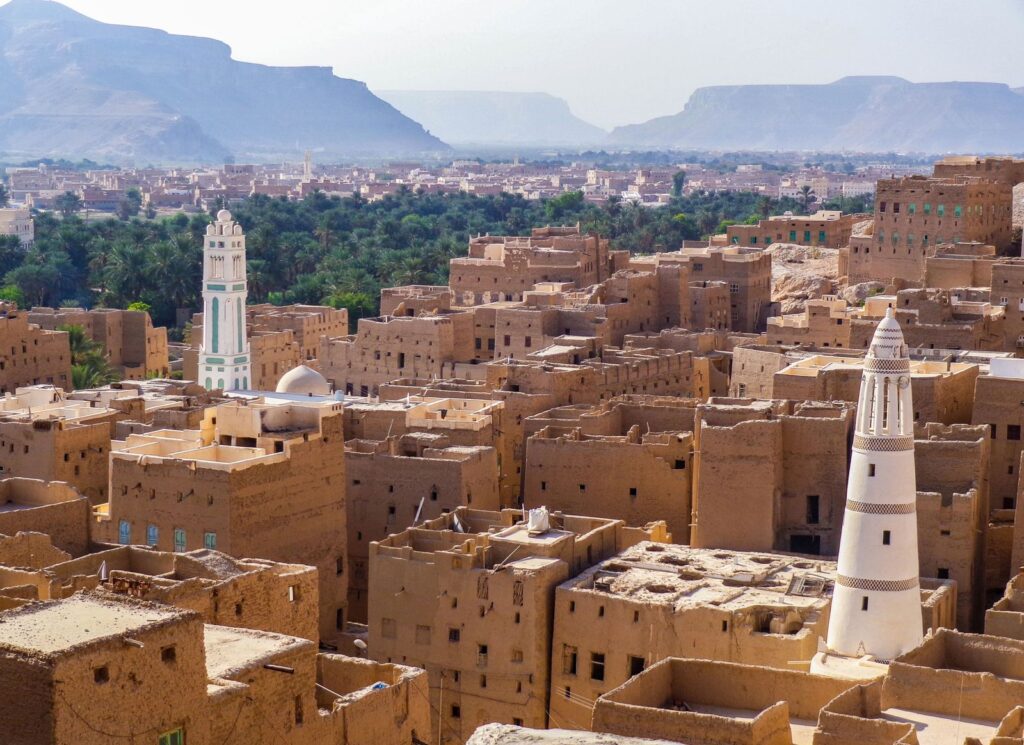
The European Union has announced a €10 million programme with UNESCO to help communities in Yemen prepare for climate risks, protect cultural heritage and support livelihoods.
The project, called Safeguarding Heritage and Advancing Climate Mitigation, Inclusion and Livelihoods (SHAMIL), will run for 30 months in the governorates of Aden and Hadramout, the European Commission informed in a release on Wednesday.
Yemen’s cultural heritage — including traditional architecture, monuments, museums and historic sites — is facing damage from torrential rain and flooding, it said.
Planned measures include rehabilitating traditional water-management systems, strengthening early-warning capacity for floods and extreme weather, and supporting local climate adaptation and disaster-preparedness plans.
Training and support for creative industries
The programme also includes support for rehabilitating heritage infrastructure and backing cultural and creative industries, the EU said.
It will provide training and professional development for 150 cultural practitioners, with at least half of the places for women, and support national institutions to develop policies and programmes for the “creative economy” — the sector that generates jobs and income from cultural and artistic activity.
“Through this €10 million partnership with UNESCO, we are helping people prepare for climate risks while creating opportunities for jobs and recovery,” stated EU Commissioner for the Mediterranean Dubravka Šuica.
The EU has provided nearly €2 billion in humanitarian and development assistance to Yemen since 2015, supporting essential needs, economic resilience, livelihoods and governance.
