
Two severe crises in a relatively short time are taking a heavy toll on many Belgian companies, as over a quarter of companies in the country are said to be in urgent need of additional capital, according to an analysis by GraydonCreditsafe.
After the Covid-19 crisis, "only" 20% was in financial difficulties, but the current rising energy prices and labour costs are weighing particularly heavily on many businesses. The hospitality sector is bearing the brunt, according to a GraydonCreditsafe analysis of the annual accounts of some 480,000 Belgian companies.
"Many of these companies are really through now and have not yet been able to build up reserves," GraydonCreditsafe's Erik Van Den Broele told VRT. "Re-borrowing money is really not possible for them now."
In normal times, some 5% of Belgian companies are severely "sick," and about 6.5% of companies are in trouble but not seriously ill. All the rest, accounting for about 90% of companies, are normally healthy.
Related News
- Belgian Finance Minister pushes brake on 'skimming off' excess profits of energy companies
- Belgium's economy is heading for a brief recession, says National Bank
- Parliament looks at the idea of deferring contributions to cushion indexation
After the Covid-19 crisis, however, almost a fifth of companies faced a structural shortage of reserves. In the current energy crisis, that number rises to over 27%. To get through this crisis without too much damage, about €18 billion would be needed. During the pandemic, many entrepreneurs invested equity in their business, but the question arises whether they can do so a second time.
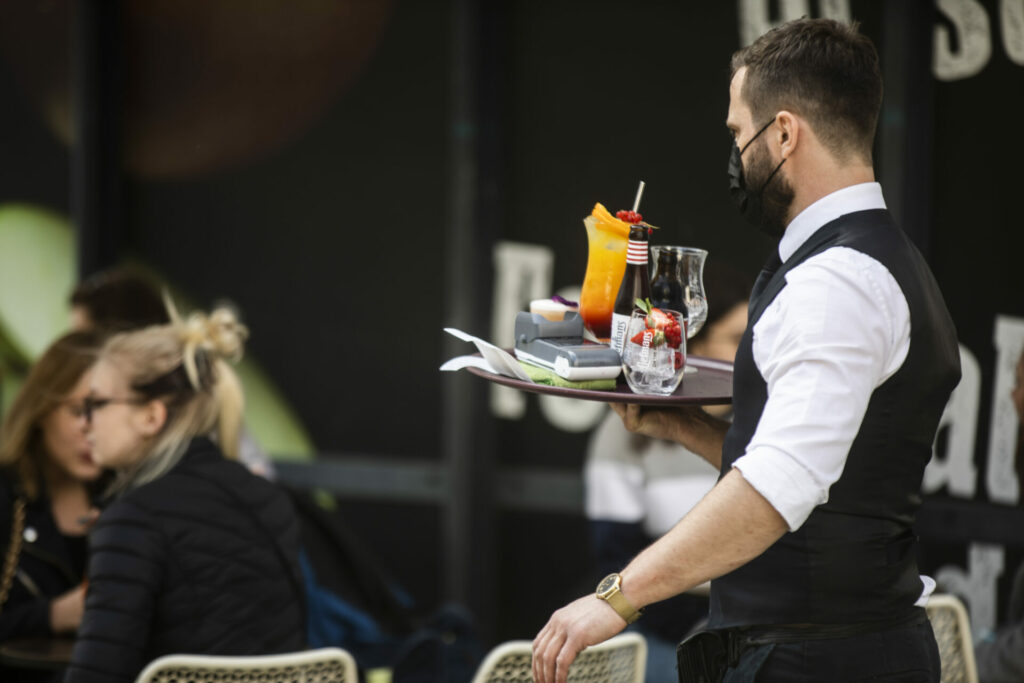
In particular, the hospitality sector is hit hard. After the Covid-19 crisis, 15% of catering businesses, for example, were in need of fresh money. In recent months, that figure has risen to 45%. More than half of companies specialising in frozen vegetables and fruit are in trouble.
The government will have to do two things, Van Den Broele said. "The support it provides will have to be much more targeted; it should go to companies that were structurally sound before the crisis. Additionally, it will have to think about levers. In other words, how can the government return a lot of money to companies with the smallest possible contribution."
