
Not even a month since Finnish Interior Minister Krista Mikkonen first proposed the idea, Finland's main political parties have expressed support for building a fence along key parts of the Nordic country's 1340 km border with Russia.
Much like other EU countries bordering Russia – including, most notably, Estonia and Latvia – Finland has become increasingly concerned about the rise in illegal border crossings by Russians into its territory, as well as the related possibility of mass migration being deployed as a form of 'hybrid warfare' by the Russian government.
“We were in agreement about the need [for the fence],” Finnish Prime Minister Sanna Marin said after a meeting on Tuesday evening with the leaders of Finland's main political parties. “Now the government will bring concrete proposals to parliament... Hopefully the work can start as quickly as possible."
Securing the border
Last month, Finland – following the example of other EU countries – began denying tourist visas to Russians. This decision led many Russians who were fleeing conscription into the Russian army to try to enter Finland illegally.
“It is a question of securing proper surveillance of Finland’s border,” Marin added. “We want to ensure our border guard has sufficient support to carry out appropriate and effective border control, and we need to be prepared for any disruptive situations.”
Related News
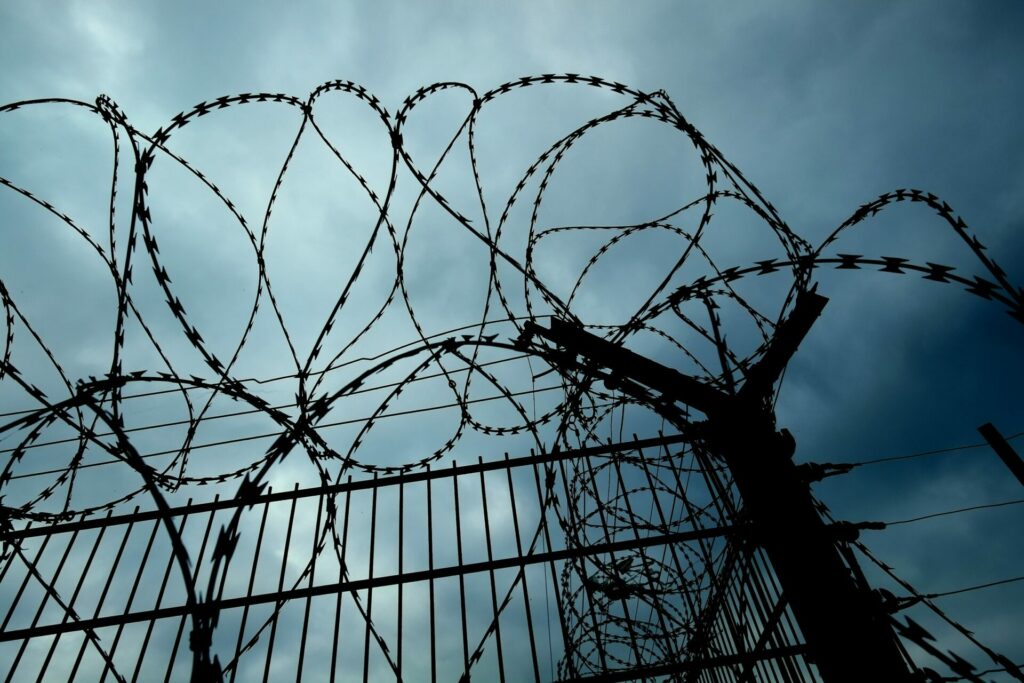
The Finnish Border Guard has suggested that the fence be approximately 130 and 260 km in length, several metres high, and topped with barbed wire, security cameras, and advanced motion detectors. The Border Guard has also estimated that construction of the fence will take up to four years and cost several hundred million euros.
In May, Finland officially applied to join NATO, a military alliance which Russia claims poses a strategic threat to its interests. Finland's accession has been delayed by Hungary and Turkey, both of whom have yet to ratify Finland's application.
Finnish Foreign Minister Pekka Haavisto has claimed that this delay represents a serious harm to regional security.
