
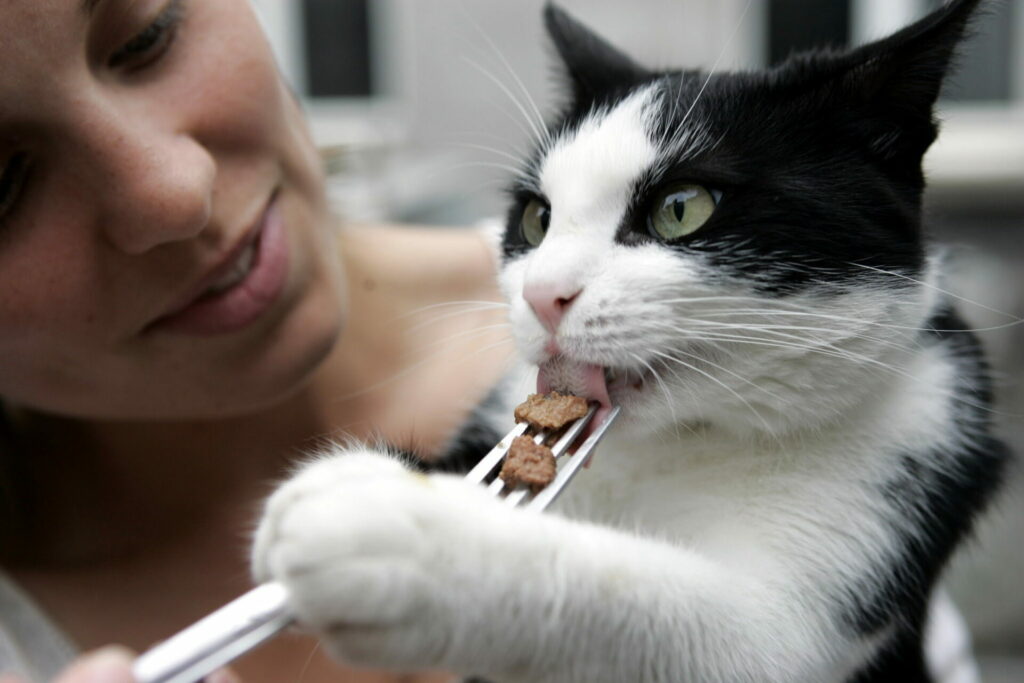
Last year, no fewer than 5,876 animals passed through Brussels’ animal shelters, the lowest level recorded since 2015, according to the Brussels Environment’s report. As usual, cats remained the most overrepresented species found in animal shelters.
In a press release following the publication of the report, Brussels Minister of Animal Welfare, Bernard Clerfayt, indicated that he intends to strengthen his policy to fight against the overpopulation of cats.
There are currently nine shelters in the capital, seven of which accept cats. Last year, 5,876 animals passed through their doors, 62% of which were cats. The number is still too high, even if it has been decreasing since 2019, indicated Clerfayt.
As in previous years, there is a spike in adoptions and support for shelters during the summer. During this period, the majority (61%) of cats find a home and are adopted. The report also notes an increase in cats that have already been sterilised entering shelters, now 18%, up from 11% in 2018.
“The number of felines cared for remains far too high. To avoid a life of misery for thousands of cats, there is only one solution: sterilisation,” the minister said. He intends to launch a new awareness campaign next year, as well as strengthen the means available to shelters and municipalities to reduce the cat population.
Related News
- Animal shelters in Flanders protected record number of 48,000 animals in 2021
- 'Feline overpopulation': Brussels reinforces its cat sterilisation policy
After cats, birds (19%) and dogs (14%) are the animals most commonly found in the capital’s shelters. Fortunately, the number of dogs entering shelters has been dropping consistently since 2016. Last year, the number reached a two-year low. Around 75% of dogs found a new home.
Euthanasia, a sad but largely unavoidable reality of animal shelters, continues to decrease. Animals which are put to sleep, the capital’s shelters specified, are done so due to poor health in 99% of cases.
