
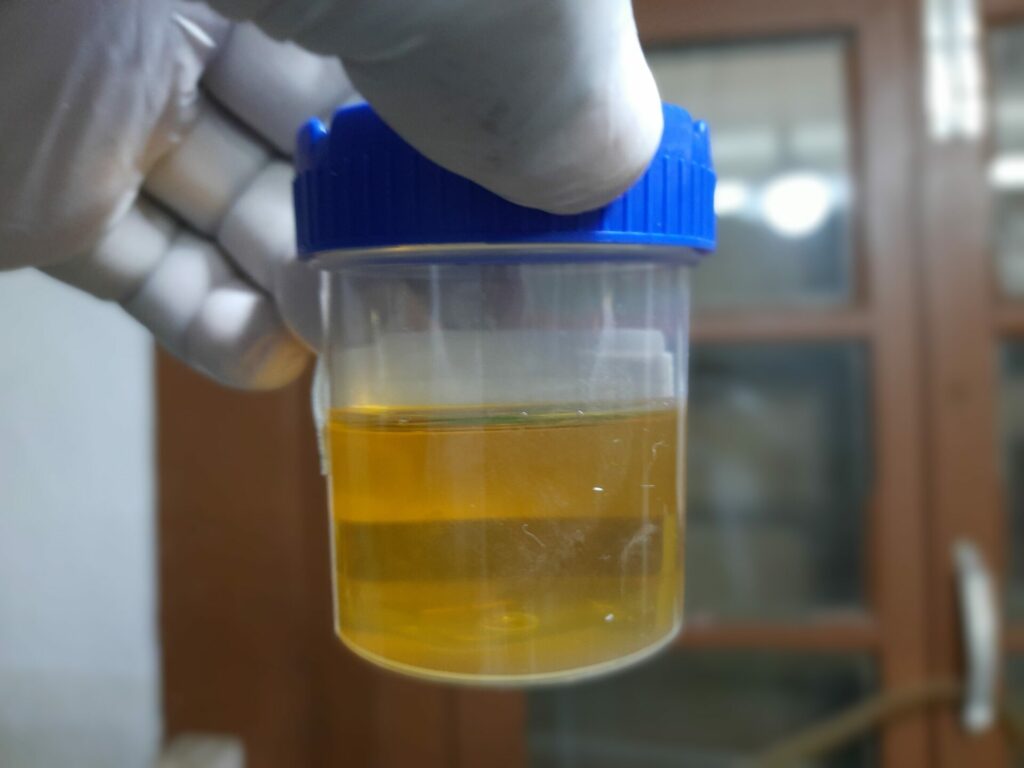
Synthetic fertilisers used in energy-intensive agri-food sectors such as meat production and dairy factories can have a devastating effect on the environment, adding to the damage already being done by the industries that use them. However, an abundant and renewable resource is being used in many projects that aim to reduce the environmental cost of synthetic fertilizers: urine.
To grow, plants need simple things: nutrients, nitrogen, phosphorus, potassium: all present in urine.
Since the 1990s, the idea of reintroducing pee into the agricultural system in order to reduce not only the cost of fertilisers but also the energy bills associated with their production, has been gaining ground, RTBF reports. Until recently, however, opposition to the idea had hindered the progress of serious research.
But a significant step was taken last autumn when the French start-up Toopi Organics obtained the green light from ANSES (France), the health safety watchdog, to market its precious liquid: a biostimulant made with human urine.
Related News
- 'Real shocker': Six massive galaxies could upend 'settled science'
- Researchers discover new family of snakes
- Experts warn of 'irreversible' deep sea mining consequences
The pee used in the biostimulant is collected from various places around France, ranging from music festivals such as Rock en Seine to the toilets of high schools and colleges. By 2027, 3.75 million litres of pee are expected to be collected.
Toopi Organics' patented process has also been marketed in Portugal, Belgium, Italy, Greece and Spain, which could largely introduce urine as a real solution for agriculture for the future.
Additionally, another start-up in Lyon called Les Fertilisateurs, plans to extract nitrogen and phosphorus from urine to transform it into agricultural fertiliser.
