
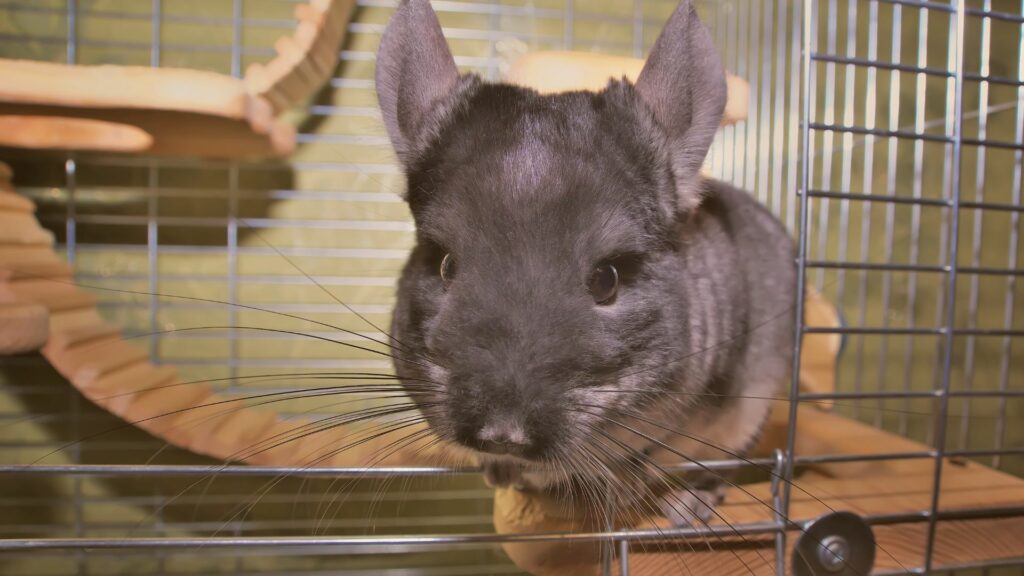
If dogs or cats are not exotic enough companions, other animals can also make cosy pets. One particularly soft species that has captured many hearts in Belgium is the chinchilla, though less common alternatives occasionally seen include flying squirrels and even porcupines.
Yet all animals have their own needs and challenges, which some owners only discover too late. According to a report by RTBF, one of the newest trendsetters on the exotic pet scene is the chinchilla, a nocturnal rodent native to the Andes that appeared in Europe about ten years ago.
In the wild, they were hunted nearly to extinction for their extremely soft and silky coat but domestication has helped save the species.
The report advises those considering one of these animals to research the animal fully. It may look cute and soft to the touch but being nocturnal, the chinchilla starts its day in the early evening and is therefore not necessarily an animal recommended for people who are looking for interaction or who have children.
Additionally, the chinchilla is an animal that remains very independent and wild in character. Though they interact with people to an extent, they're not overly appreciative of being handled, especially by strangers.
Related News
- Brussels' surprising parakeet population: Colourful and controversial
- Camel or a Savannah cat as pet? Stricter rules imposed for keeping exotic animals
Unlike many other species, the RTBF reports that it is the male chinchilla that is likely to be more affectionate. It is therefore preferable to adopt one or even two males, especially as chinchillas prefer company. It is possible for male and female chinchillas to co-habit without too much aggression between them, but be warned: they may reproduce quickly.
The animal's diet is similar to that of rabbits, which also need rough hay or abrasive food to help file down their constantly growing teeth. Also like rabbits, chinchillas produce a lot of nutrient-rich faeces.
As for their habitat, a spacious cage is needed as chinchillas are small rodents but climb a lot and need to exert themselves.
