
The European Commission on Wednesday presented a proposal to add people who commit acts of corruption in third countries to the EU’s sanctions blacklist.
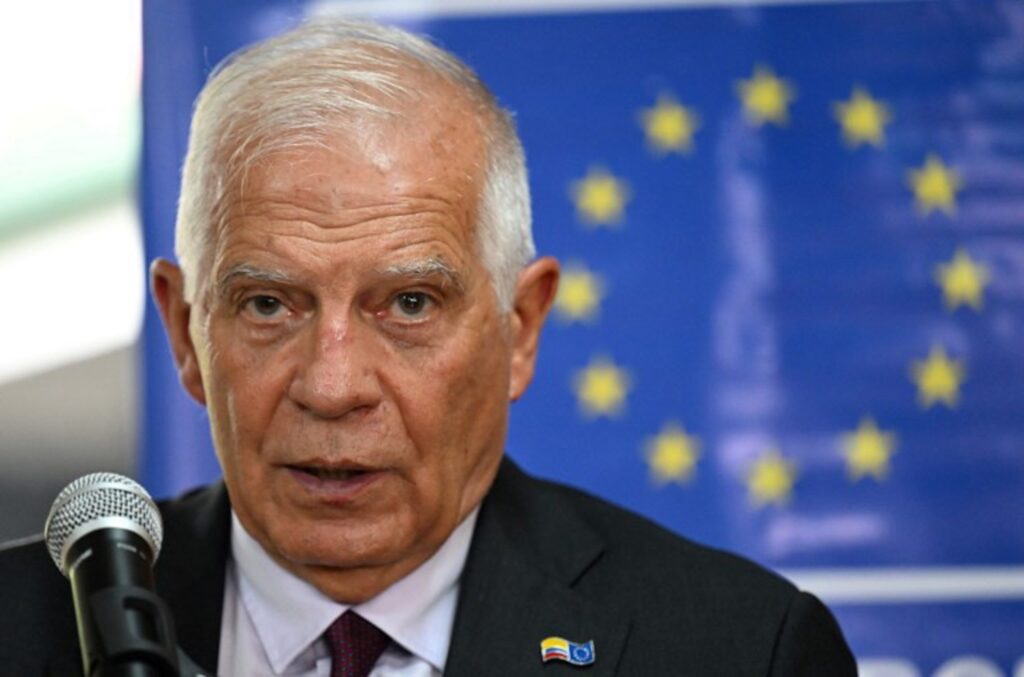
Corruption “can threaten peace and international security, enabling terrorism, organised crime and other crimes, which is why we have to enlarge our scope and tackle corruption worldwide,” EU’s chief diplomat Josep Borrell told reporters in Brussels.
“We are sending a clear message that the EU is not open for business to those who engage with corruption, wherever it occurs,” he stressed.
The recommendation is part of a new legislative framework proposed by Brussels with a view to harmonising anti-corruption provisions throughout the EU.
Under the legislative framework, which still needs to be approved by the EU-27, those deemed to be involved in “serious corruption activities,” regardless of their nationality, could have their assets frozen in the EU and be banned from staying on European soil.
They would also be denied access to the financial resources of individuals or entities in the EU.
This mechanism targets passive or active corruption, and the misappropriation of funds by a public official, particularly in countries deemed non-cooperative in tax matters or deficient in the fight against money laundering and terrorism financing.
This would be a “similar system” to the sanctions regimes adopted, for example, against Russian figures involved in the invasion of Ukraine and placed on the EU’s “blacklist.” However, the difference is that “it is no longer a question of targeting a specific third state” but individuals of any kind, observed Commission Vice-President Vera Jourova.
In practice, the placing of an individual on this new anti-corruption blacklist would be formally proposed by the EU’s diplomatic chief, and would have to be endorsed unanimously by the EU-27.
To to list someone, “there will have to be information showing that this person has engaged in a serious act of corruption,” whether from open sources (media, public statements…), reports from academics or NGOs, information gathered by member states’ intelligence services, the Commission said.
The person targeted will be able to challenge the decision in the European courts.
