
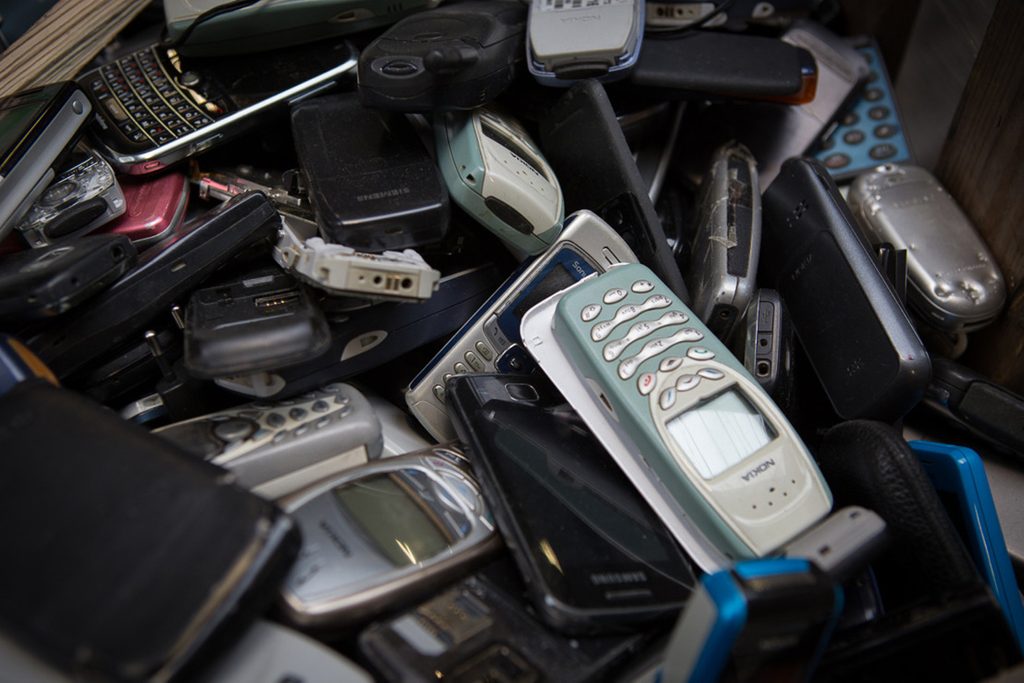
The sale of electronic devices in second-hand shops rose by 52% in 2022 compared with the previous year. Last year, around 400,000 of these devices were given a second life.
Belgian circular economy companies HERW!N, Ressources and Recupel plan to further expand their offering in the coming years and outlined their ambitions in an announcement on Thursday.
400,069 items were sold last year – their overall weight was 2,527,137 kg. Most of these appliances were sold second-hand. 95% were small household appliances, IT equipment or lighting. But there were also many sales of larger items, including 10,000 fridges, 5,000 large household appliances (often washing machines) and 4,500 televisions or flat screens.
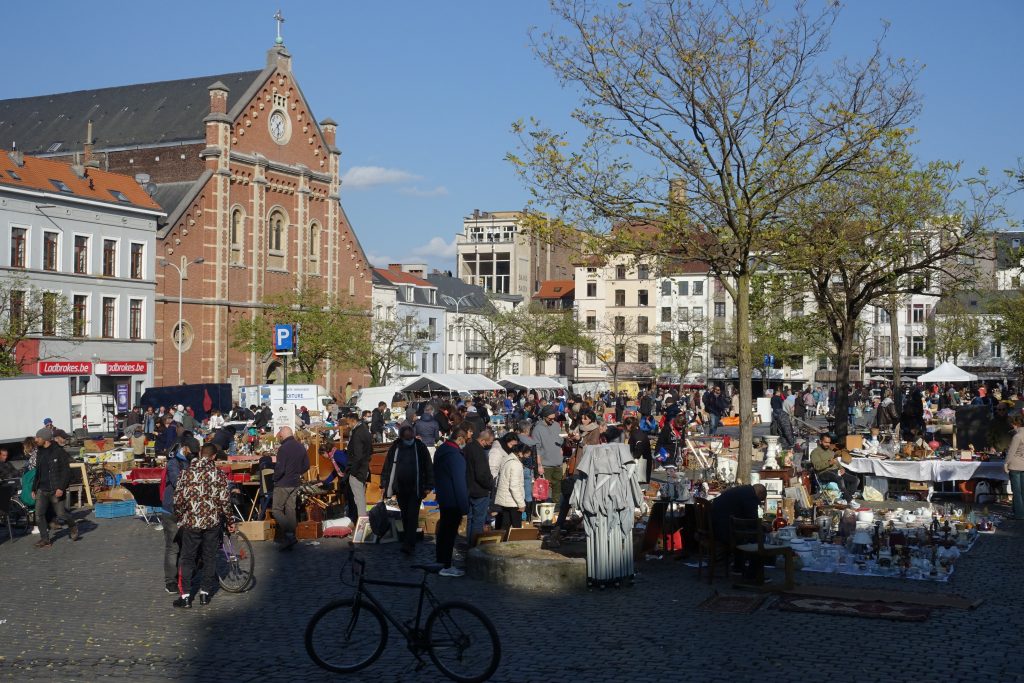
Buying used goods is very much the norm in Belgium. Credit: Orlando Whitehead
“More and more people are buying second-hand appliances, which is encouraging,” says Eva Verraes, director of HERW!N.
“We want to further expand the range of larger household appliances over the next few years,” says Recupel CEO Eric Dewaet. “Together, we aim to deliver a wider range of better quality products. Everyone can help: hand in unused appliances in good time. The longer they are lying around the house, the harder it will be to sell them”, he recommends.
Related News
- EU Member States push for ban on destruction of unsold clothing
- How a circular economy would lead to EU energy savings
- 'Waste not want not': Up your vintage game with these 5 second-hand stores
Last year saw the launch of a new cooperation agreement with companies, including new financial incentives. Whereas Recupel used to offer financial compensation for the logistical work done by second-hand shops, this compensation now also relates to the volume of household appliances reused. For large volumes, companies can now enjoy twice as much remuneration.
The Walloon city of Liège has become a hub for the circular economy. Many leading companies are now based in the city, especially in the creation of renewable foods, consumables, and other products.
For its part, the Flemish Government dedicated €18.4 million to circular economy projects last year, supporting 22 projects aimed at reducing the consumption of raw materials.
