
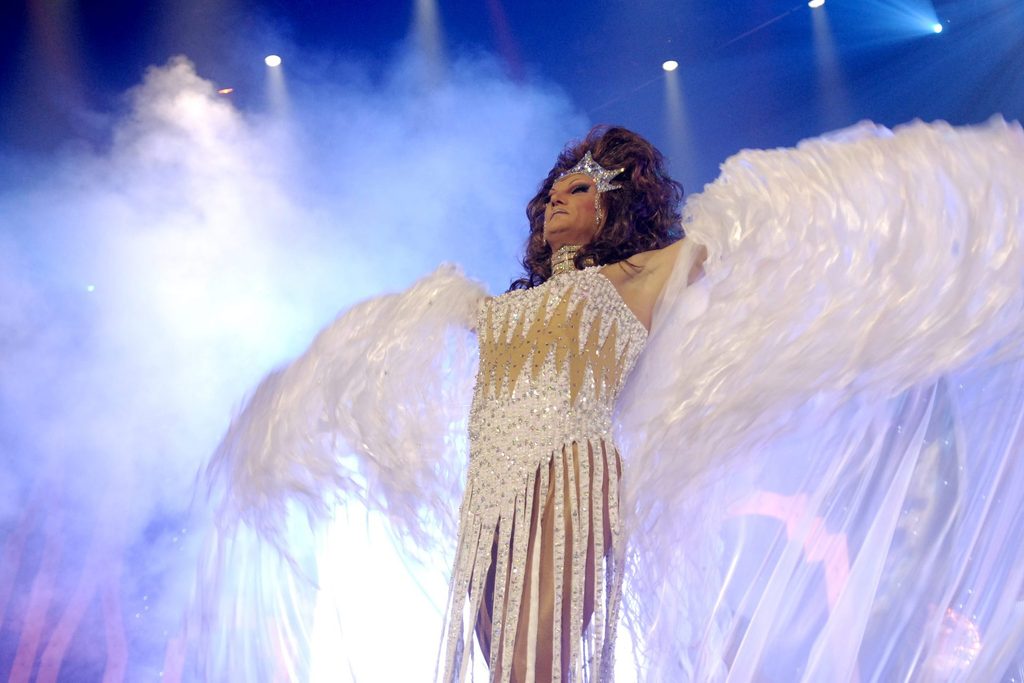
Drag queens have gained mainstream popularity in recent years, from performing in LGBTQIA+ venues to being showcased in cultural centres, theatres, and the mainstream media.
Belgium is no exception and several individuals and groups of performers have been spearheading the rise on the entertainment circuit and using their growing prominence to spread awareness and messages of tolerance.
This rise to fame is largely attributed to the American reality show, RuPaul's Drag Race, hosted by the renowned Drag Queen RuPaul. The show features drag queens competing in various challenges, with judges evaluating their performances until a winner is crowned at the end of the season.
The success of Drag Race has extended beyond the United States, with international versions of the show in Canada, the United Kingdom, Sweden, Spain, Thailand, New Zealand, and France. Belgium has also embraced the phenomenon with the debut of Drag Race Belgium, with a second season already announced.
Related News
- Queer archives: How Brussels wants to immortalise LGBTQ+ history
- Belgium in Brief: 20 years of same-sex marriage
Drag queens in Belgium have transcended television and have become prominent figures in events like the Belgian Pride. They also contribute to podcasts, perform in theatres, and make appearances in films. Their increased visibility allows audiences to explore their art, experiences, socio-economic realities, and their role within the LGBTQIA+ community.
However, along with their rise in popularity, Drag queens have also faced backlash from conservative and homophobic/transphobic individuals. They encounter hostility on social media, in public spaces, and even while reading stories to children at libraries and cultural events.
Intersectional struggles
Despite the mainstream recognition of drag queens, other drag artists such as Drag Kings, Drag Queers, and Drag Creatures, particularly those who are women, transgender, non-binary, or of colour, struggle to find representation in the media and within the Brussels scene.
Efforts are being made by collectives like Les Peaux de Minuit and Barakakings to provide a platform for these marginalised artists, promoting inclusivity and intersectional struggles against queerphobia, sexism, fatphobia, and racism.
These collectives say that, by supporting and following drag artists on social media and attending their performances, people can explore the diverse world of drag and appreciate its varied expressions. This can also lead to wider acceptance and tolerance throughout society.
