Is an election year truly a lost cause for effective governance? With Belgium now in the midst of the run-in to the next national election, there are fears that little will get done as politicians focus on wooing voters rather than pushing through legislation.
Prime Minister Alexander De Croo had once promised to continue working diligently until the elections draw near, dismissing any notion of slacking off. However, the failure of negotiations surrounding tax reform and some politically charged advertisements raised concerns that the campaign might overshadow government actions in the final days of the legislature.
Yet, such fears may be exaggerated. According to Sabine Laruelle, a former Federal Minister, ministers are not inclined to abandon their duties for political campaigning. Citing examples like the successful "big reform" of investment aid in the Walloon Government, she recently told RTBF that there are still four to five useful months to accomplish meaningful work before December.
In the same RTBF article, political scientist Pascal Delwit added that while it might be an overstatement to call the election year a lost cause, significant reforms are generally implemented earlier in the term. The final year is characterised by day-to-day management without delving into major policy changes. Laurette Onkelinx, a former Deputy Prime Minister, agreed, asserting that the hottest issues have already been addressed or temporarily shelved.
On the campaign trail
Rather than a lost year, Delwit called it a period of "day-to-day management" that revolves around election preparation. As the elections approach, parties focus on their core ideologies and try to score points with their electorates. This strategy brings both opportunities and risks, as grand declarations can backfire if seen as irresponsible.
The upcoming municipal and provincial elections in October 2024 will influence decision-making, particularly in areas affecting local authorities. Although the final year of a Parliament may not witness a torrent of legislative initiatives, it is far from idle.
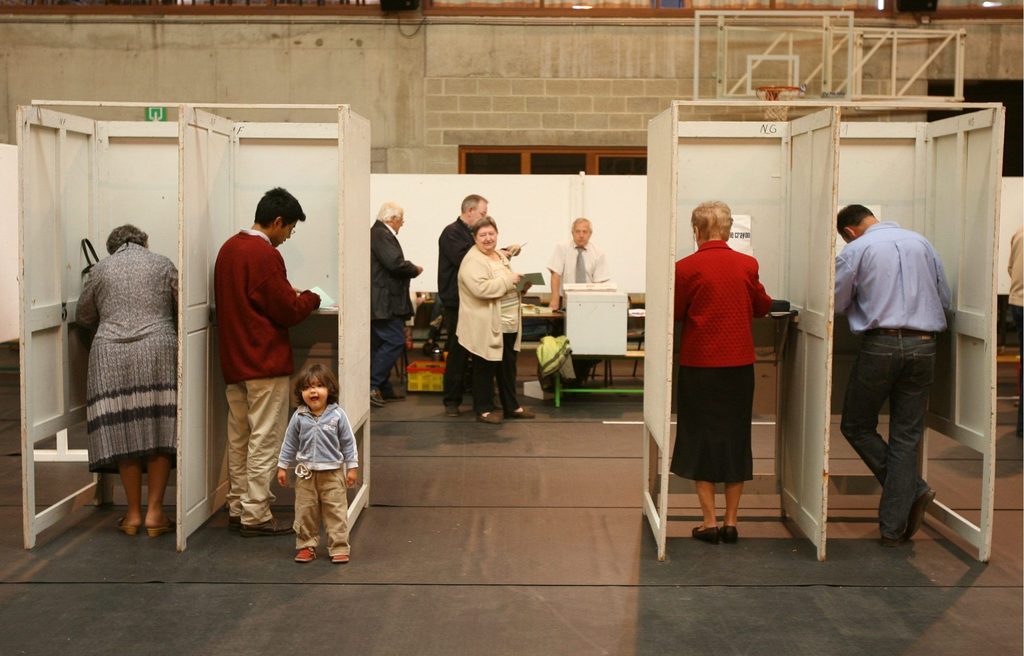
Credit: Belga / Eric Lalmand
Budgetary matters, ongoing projects, and unforeseen events demand attention. Imponderables such as geopolitical conflicts or pandemics can compel governments to act in unexpected ways.
Nonetheless, there are limits to committing future governments or making long-term budgetary decisions during the election year. As Laruelle emphasised, responsible governance requires considering the potential changes in the political landscape and the impact of decisions on future administrations.
In conclusion, the election year is a critical phase requiring a balance between governing effectively until the end and preparing for the political contest ahead.
While the final months may not see groundbreaking reforms, they are far from being wasted as governments address daily affairs and unexpected challenges. Responsible management during this time ensures the continuity and stability of the state, laying the groundwork for the future.
