
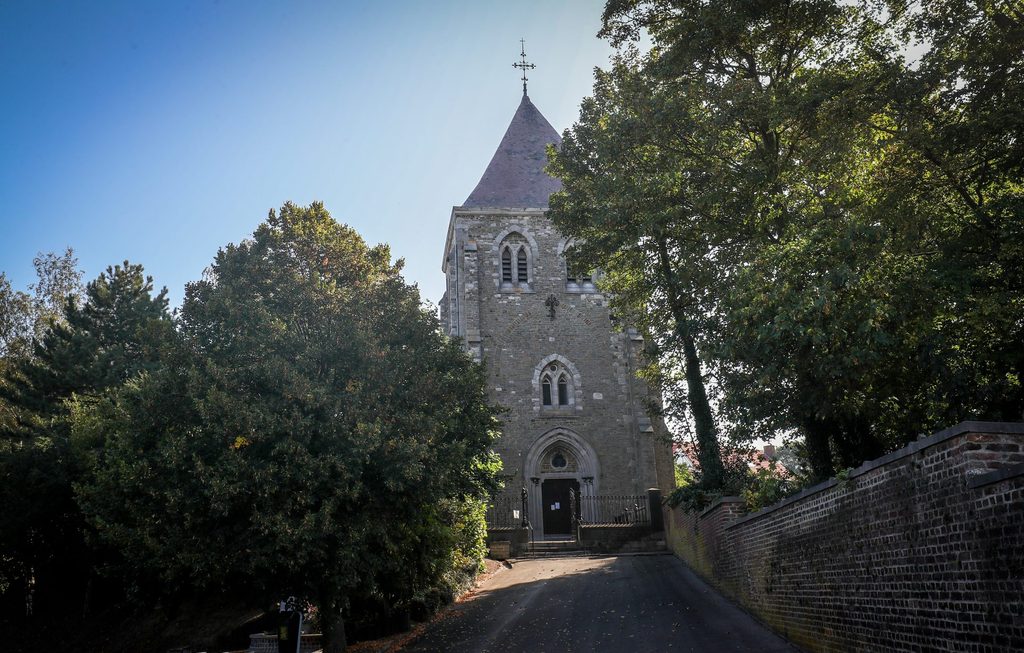
Some 40 municipalities spanning the Verviers, Huy, and Waremme districts have resoundingly rejected the Walloon government's proposed Walloon Territorial Development Plan (SDT).
This comprehensive 272-page document, crafted by the Walloon Government, aims to address the pivotal questions of curbing urban sprawl and shaping the living landscape for the year 2050. Accompanied by a 278-page environmental impact report and a set of appendices, these materials were presented to municipalities for their input.
The core contention revolves around the prospect of constructing apartment complexes within quaint villages.
An analysis of opinions from 55 municipalities in the Liège province, covering the Verviers, Huy, and Waremme regions (plus an additional three in the Liège region), reveals that 40 of them oppose the SDT. The majority of these municipalities are predominantly rural areas.
Jean-Christophe Hénon, Mayor of Comblain-au-Pont, told RTBF recently that he fears for the rural integrity of his village, asserting that the SDT's provisions could potentially jeopardise its pastoral identity.
Such concerns stem from the document's intention to reconfigure urban development, concentrating new inhabitants into existing towns and villages rather than encroaching upon open spaces.
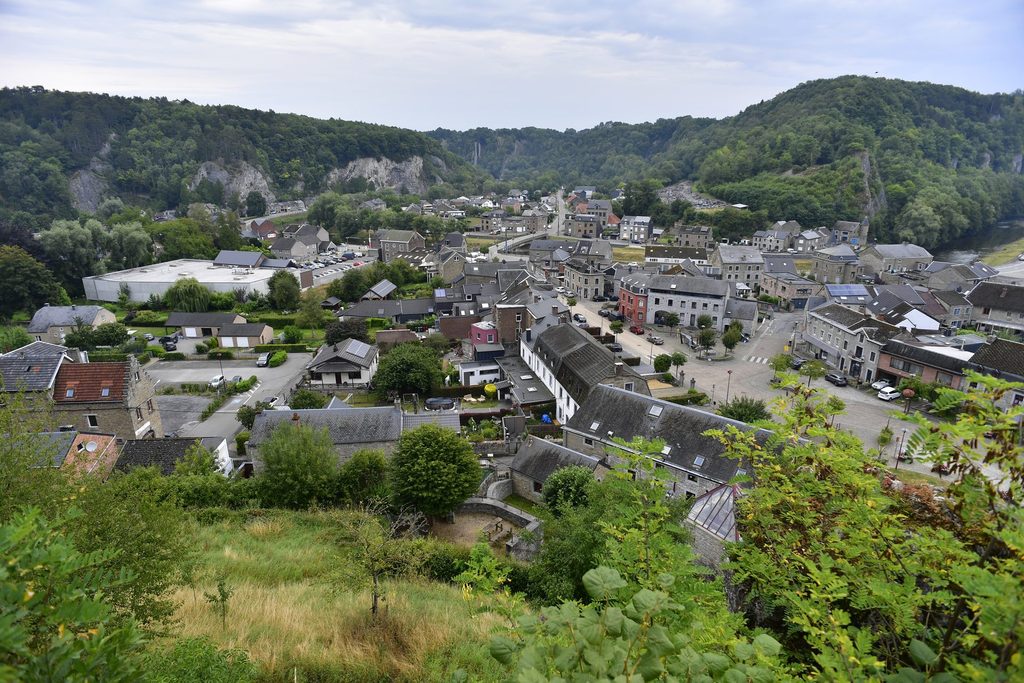
Comblain-au-Pont. Credit: Belga / John Thys
Inhabited hubs, or "centralities," are a fundamental concept in the SDT, but their practicality is questioned by many, including Henri Christophe, Mayor of Fexhe-le-Haut-Clocher.
The document identifies already densely populated areas in Fexhe and Voroux as such centralities. However, apprehensions arise about increasing their population further and erecting structures in villages that lack the necessary infrastructure, transportation options, and essential amenities.
Cédric Halin, Mayor of Olne, echoes these concerns in the RTBF report. The mayor highlighted the risk of escalating residential densities from ten to 20 or even 40 dwellings per hectare, straining transportation and overburdening communities with vehicular traffic.
The potential loss of heritage character and the strain on existing resources provoke the most resistance to the SDT's proposals.
Undemocratic?
The SDT aims to concentrate population growth within towns and villages, which might lead to a depreciation of building land value outside these areas. Consequently, municipalities ponder the issue of compensating landowners if the SDT's vision of 2050 prevents construction on designated land.
The consultation process is also drawing criticism for its tight timeline, which many municipalities deem inadequate for comprehensively reviewing and evaluating such a complex plan. This tight timeframe for assessment, especially during the summer holidays, is regarded by some as undemocratic and unrealistic.
To reconcile these concerns, municipalities will have the opportunity to tailor the SDT to their unique circumstances within five years of the final regional version's adoption. However, this process requires substantial financial investment and access to approved design offices, resources that many municipalities find scarce and costly.
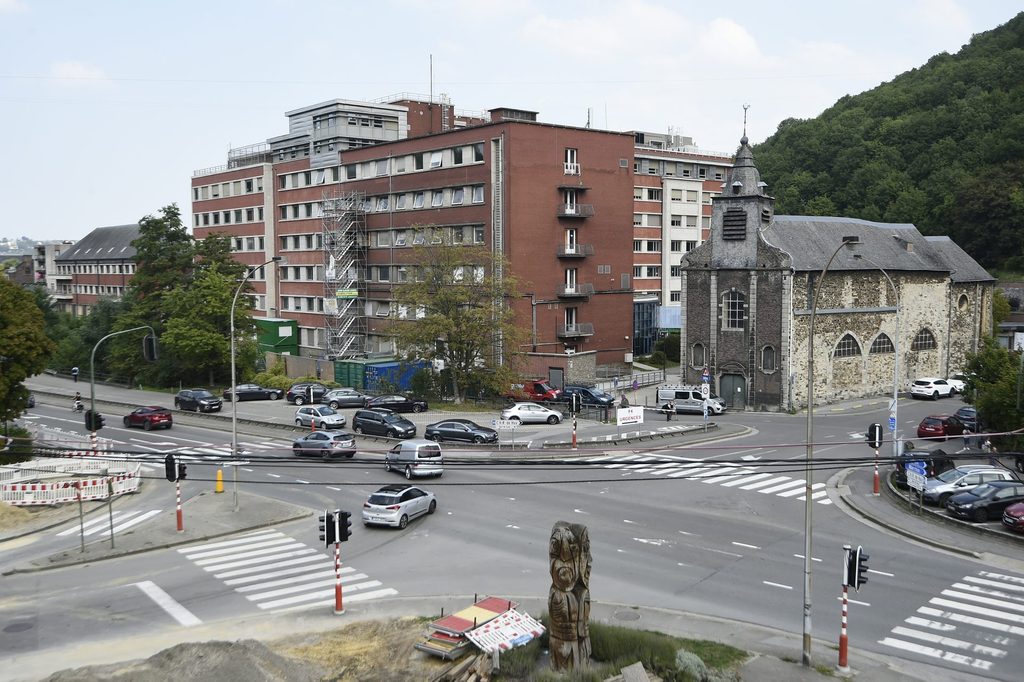
A new hospital in Huy.
In response to these apprehensions, Walloon Economy Minister Willy Borsus, responsible for regional planning, acknowledged in the RTBF report the importance of an inclusive consultation and emphasised the intention to incorporate feedback into the project.
In the broader context, a host of concerns emerge: anticipation of a spike in permit applications leading up to SDT implementation, potential disruption of land value scales, and the fear of exacerbating social disparities as plots outside centralities become unaffordable for segments of the population.
Additionally, the SDT's integration of commercial establishments, adaptation to flood risks, and the challenge of enforcing a building moratorium based on an indicative SDT, which contrasts with the sector plan's regulatory authority, pose further complexities.
With a substantial 40 out of 55 municipalities opposing the SDT, rural communities in the Verviers, Huy, and Waremme districts are calling for their distinct circumstances to be taken into consideration, echoing concerns shared across the country.
