
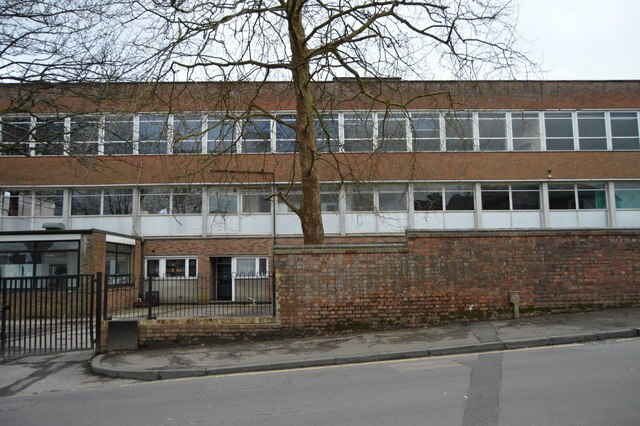
Pressure has been mounting on the British government over the scandal of schools built with faulty concrete, with Prime Minister Rishi Sunak suggesting that some 1,000 establishments could be at risk.
As pupils return to classes, there have been more and more revelations in recent days about the extent of the use of fragile concrete from the 1950s onwards. Dozens of schools were ordered to close entirely or partially on Friday, just three days before the start of the new school year, and concerns have arisen about other public buildings such as hospitals and courts.
The schools were built with Reinforced Autoclaved Aerated Concrete (RAAC), a lightweight material that is cheaper and quicker to produce and install. However, moisture and polluted air significantly reduce its strength over time.
RAAC was given a usable lifespan of roughly 30 years, though a Building Research Establishment report in 2002 warned that there was a risk of collapse without warning in panels over 20 years old.
Of the 22,500 schools in England, 95% are unaffected by the problem, Rishi Sunak said on Monday.
If, as the head of the Conservative government suggests, 5% of schools are affected, the number of at-risk schools would be about 1,125.
Sunak’s spokesman clarified that the government anticipated the number of schools affected to be in the hundreds, not thousands.
“As we are still waiting for schools to communicate their studies and confirm their situation, we cannot be more assertive,” the spokesman argued.
The issue has been added to difficulties already facing the government in the run-up to the next parliamentary elections, scheduled for 2024.
The Conservatives, in power for 13 years, have already been accused of allowing public services to crumble, particularly in the area of health.
They are also being blamed for the cost of living crisis caused by inflation in the UK, the highest in the G7.
