
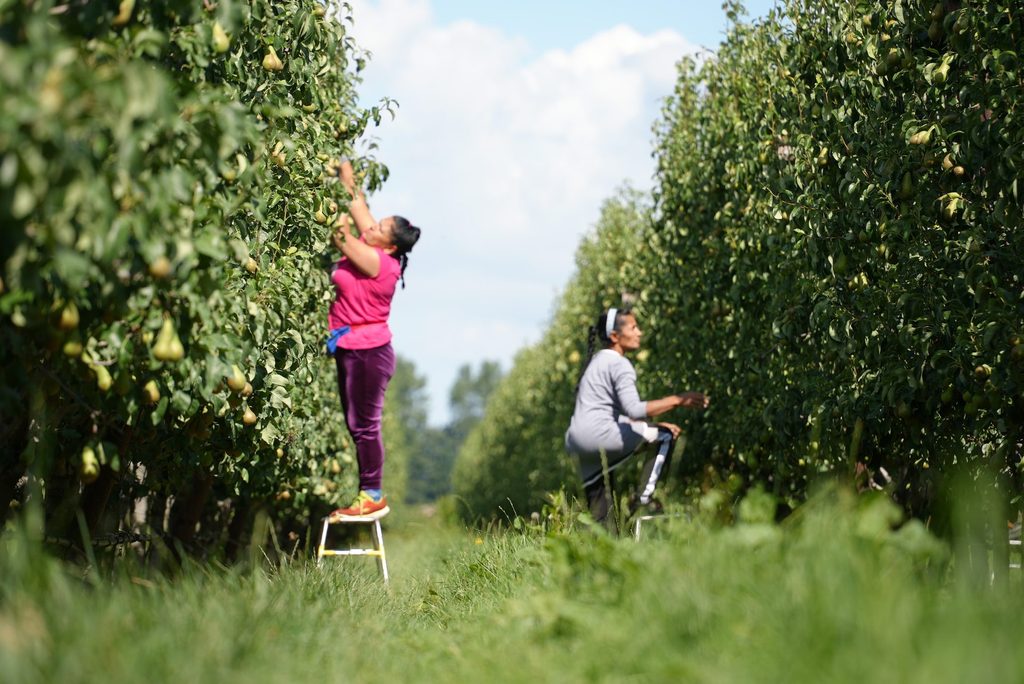
Despite a Russian boycott that has been in effect since 2014, Belgium continues to export nearly 40% of its pear production to Russia through foreign buyers. Belgium is now set to overtake Italy to become the largest European producer of pears.
With an estimated 412,000 tonnes of the fruit grown in 2023, Belgium's pear harvest has swelled by 19% in just one year. Announced at the Prognosfruit congress in Italy, this surge in production positions Belgium as the new leader in European pear production. Italy, on the other hand, has seen its production fall to 250,000 tonnes, mainly due to chronic diseases, flooding, and the presence of the stink bug.
Whilst Russia has historically been Belgium's largest market for pears, producers are now seeking new customers. China is now the main buyer of Belgian pears, with the remaining produce being sold to neighbouring countries such as Germany, the Netherlands, France, and the UK. Belgium is also exploring new markets in Asia, notably Vietnam.
While the Russian boycott has had an impact on Belgian pear exports, it is important to note that Belgian producers do not directly sell their fruit to Russia. Intermediaries have been responsible for ensuring that a significant portion of Belgian pear exports still arrives in Russia.
These intermediaries, such as Turkey, remove labels and any indicators linking the pears to Belgium before shipping them to Russia.
Not all rosy in the orchards
Unlike the thriving pear sector, Belgian apple growers face challenges due to increased competition from Poland and consumer preferences for imported varieties.
Apple production is on course to drop 15% in 2023, with a total production of 203,000 tonnes. This decline is attributed to a reduction in agricultural land dedicated to apple cultivation. In recent years, many Belgian fruit growers have replaced apple trees with pear trees due to the challenging market conditions.
Poland's rise as a major apple producer, benefiting from lower labour costs and European subsidies, has also intensified competition. To address the challenges, Belgian producers are making a push to promote local consumption and urge consumers to support local varieties such as jonagold and goldens, which are often overlooked in favour of imported varieties such as the popular pink lady.
